The top story this week focuses on the White House's significant expansion of the TrumpRx.gov platform, which now features more than 600 generic medications. The updated platform integrates real-time cash price data from private partners—including Amazon Pharmacy, Mark Cuban Cost Plus Drugs, and GoodRx—to help consumers bypass traditional insurance co-pays and pharmacy benefit manager–managed pricing. High-volume generics for chronic conditions such as atorvastatin, lisinopril, and metformin are now listed for under $5. The platform does not include controlled substances or Risk Evaluation and Mitigation Strategy medications. For pharmacists, this shift signals a growing federal push toward a middleman-free drug purchasing model, requiring them to help patients weigh the benefits of cash-pay channels against their established pharmacy relationships.
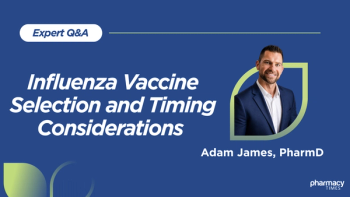
In this week's KOL feature, Pharmacy Times spoke with Spencer Durham, PharmD, about persistent gaps in adult hepatitis B vaccination despite universal CDC recommendations. Durham emphasized that hepatitis B can affect anyone regardless of perceived risk and that pharmacists are uniquely positioned to address vaccine hesitancy and insurance barriers. He also highlighted the advantage of 2-dose vaccine series, such as Heplisav-B, in improving series completion rates among adult populations.
On the regulatory front, the FDA approved Immgolis and Immgolis Intri as the first biosimilars to golimumab (Simponi and Simponi Aria) for rheumatoid arthritis and ulcerative colitis, with both designated as interchangeable biosimilars.
The FDA also expanded approval of trastuzumab deruxtecan into the neoadjuvant and adjuvant settings for HER2-positive early breast cancer, supported by results from the phase 3 DESTINY-Breast11 (NCT05113251) and DESTINY-Breast05 (NCT04622319) trials.
Finally, the FDA approved baxdrostat as the first aldosterone synthase inhibitor for treatment-resistant hypertension, with pharmacists playing a key role in monitoring for hyperkalemia and identifying appropriate candidates for this first-in-class agent.