





















































































The model can predict the chronological ages of cognitively normal participants with an average absolute error of 2.3 years, which is about 1 year more accurate than an existing model.
The model can predict the chronological ages of cognitively normal participants with an average absolute error of 2.3 years, which is about 1 year more accurate than an existing model.
Analysis indicates that Acadia Pharmaceuticals Inc’s pimavanserin is the only FDA-approved medication for the treatment of delusions and hallucinations associated with PDP.
Lecanemab (Lequembi) approved to treat mild cognitive impairment or mild dementia associated with Alzheimer disease.
Indication can play a major role in pharmacists recommending brain health products.

Pharmacological options for those who experience migraines come in the form of abortive or preventative therapies.

Zavegepant could become the first intranasal drug that targets CGRP in migraine sufferers to gain FDA approval.

Coughing is a reflex predominantly mediated by control centers in respiratory areas of the brainstem, which is modulated by the cerebral cortex.

Atogepant is an oral calcitonin gene-related peptide receptor antagonist approved in 2021 for patients with episodic migraines.

With the advent of disease-modifying therapies, the life span of patients with multiple sclerosis has increased dramatically.
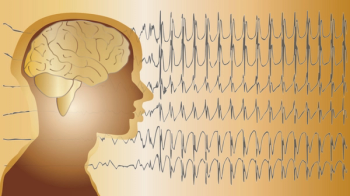
Individuals who had COVID-19 were 55% more likely to develop epilepsy or seizures over the following 6 months than those who had influenza.

Research into how perivascular spaces contribute to migraine could help better understand the complexities of how these headaches occur.

Research also focuses on connection between oral hygiene and other chronic diseases, neurological disorders, pulmonary infections.

Zilucoplan is a subcutaneous, self-administered peptide inhibitor of complement component 5.
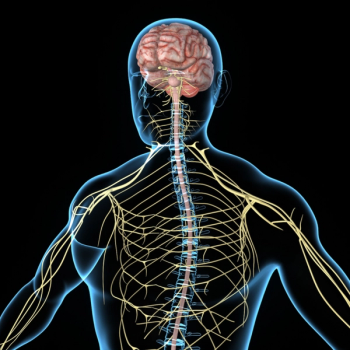
Cerebral adrenoleukodystrophy is a progressive neurodegenerative disease causes irreversible neurologic decline and can result in functional disabilities, such hearing loss and cortical blindness.

A session presenter at the ASCP 2022 Annual Meeting explained how patients’ mismanagement of medications for headaches can lead to rebound headaches.
Eisai plans to file for traditional approval in the United States by March 31, 2023.
Ozanimod is an oral, sphinogosine 1-phosphate (S1P) receptor modulator that binds with high affinity to S1P receptors 1 and 5.

In patients with hypoxic-ischemic brain injury, researchers observed no significant difference between liberal and restrictive oxygenation on any-cause death.
Tacrine was originally brought to the market in 1993 as an acetylcholinesterase inhibitor to fight the symptoms of Alzheimer disease.
Deutetrabenazine is the only VMAT2 inhibitor approved by the FDA for the treatment of tardive dyskinesia in adults and for the treatment of chorea associated with Huntington disease.

Patients with type 2 diabetes may lower their risk of developing severe neurological disorders like Alzheimer disease by taking certain anti-diabetic medications alongside daily insulin.
Although the treatment of motor symptoms is the primary focus of care for Parkinson disease, helping these patients with sleep disorders is vital because of the impact on quality of life.

New research about the risks of dementia in patients with non-affective psychotic disorders could help shape new life course models for prevention.

New research suggests that psychedelics, and specifically ketamine, can increase neuroplasticity to help a patient with an eating disorder get “unstuck,” and help treat the disorder better than psychotherapy alone.
Antioxidants are capable of converting highly destructive free radicals and nonradical molecules, thereby reducing cerebral stress.