





Hematology
Latest News
Advertisement
Latest Videos





CME Content
























































































Advertisement
More News

Elranatamab shows promising efficacy and manageable safety in transplant-ineligible newly diagnosed multiple myeloma patients, highlighting its potential as a treatment option.
Daratumumab combined with VRd significantly improved outcomes in transplant-ineligible/transplant deferred patients with newly diagnosed multiple myeloma.

Epcoritamab shows impressive long-term remission rates in relapsed large B-cell lymphoma, highlighting its potential as a key treatment option.

The data from the phase 3 SEQUOIA study are to be presented at the 2025 ASCO Annual Meeting.

Imetelstat shows promise in treating myelofibrosis, enhancing survival, and modifying disease biology in patients resistant to JAK inhibitors.

Physical activity significantly enhanced quality of life and reduced fatigue and depression in patients with newly diagnosed multiple myeloma.


The combination demonstrated improved efficacy compared with ruxolitinib as a monotherapy.
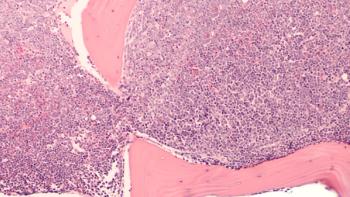
Glofit-GemOx in R/R DLBCL: FDA Advisory Committee Reviews STARGLO Phase 3 Results for Transplant-Ineligible Patients
Published: | Updated:
Glofitamab combined with GemOx shows promising survival benefits for patients with relapsed DLBCL, offering a new treatment option for those ineligible for transplants.

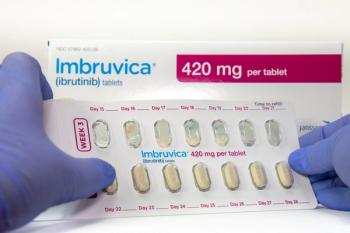
Ibrutinib offers comparable survival outcomes for high-risk chronic lymphocytic leukemia patients, challenging traditional prognostic markers in real-world settings.

The data are from the phase 2 iMMagine-1 study.

Patients with myelofibrosis who stopped ruxolitinib on the first day of conditioning did not show higher rates of acute graft-vs-host disease (GVHD).
There was no significant increase in severe adverse events associated with statin use.

The salvage therapy led to an 80% overall response rate in patients with relapsed/refractory multiple myeloma.

AACR 2025: Liposomal Annamycin May Enhance Chemotherapy Efficacy Across Hematologic and Solid Tumors
Liposomal annamycin demonstrates broad synergistic activity with multiple FDA-approved chemotherapies across hematologic and solid tumors in preclinical models, offering a promising and safer combination strategy for resistant and high-risk cancers.
Explore the latest advancements in treating transplant-ineligible multiple myeloma, highlighting new therapies and clinical trial outcomes for improved patient care.

Explore the role of JAK inhibitors in myelofibrosis treatment, focusing on optimizing dosages and managing adverse effects for better patient outcomes.

Explore the latest advancements in chronic lymphocytic leukemia treatment, focusing on BTK and BCL2 inhibitors, monoclonal antibodies, and patient management strategies.
Interim results from the phase 1 SENTI-202-101 trial show that SENTI-202, a logic-gated, off-the-shelf chimeric antigen receptor natural killer (CAR NK) cell therapy, achieved complete remission in 4 patients with relapsed or refractory (R/R) acute myeloid leukemia (AML).
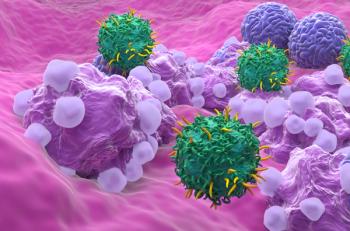
Obecabtagene autoleucel improves CAR T-cell therapy for B-cell ALL.

Clinicians should not just focus on one single nucleotide polymorphism (SNP), but rather consider all SNPs because each factor causes unique adverse effects

Thrombosis occurs in approximately 20% of myeloproliferative neoplasms.

Delayed pegaspargase reduces hepatotoxicity without affecting outcomes.

Real-world data support momelotinib as an effective and well-tolerated treatment for myelofibrosis-related anemia.
Advertisement
Advertisement
Trending on Pharmacy Times
1
Ramantamig's 93.6% ORR and Outpatient CRS Control
2
FDA Approves Tavapadon, First D1/D5 Agonist for Parkinson Disease
3
Teclistamab-Daratumumab Intensification Achieves 73% MRD-Negative CR Rate in High-Risk Multiple Myeloma
4
Nearly Two-Thirds of Patients With Long COVID Meet Diagnostic Criteria for POTS
5