




Hematology
Latest News

Advertisement
Latest Videos





CME Content























































































Advertisement
More News

Patients with relapsed, refractory disease achieved deep, durable responses with equecabtagene autoleucel.
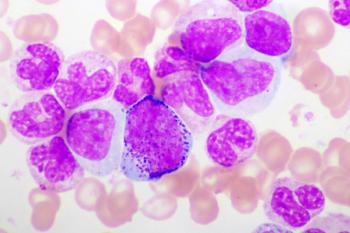
Constantine Tam, MD, discusses zanubrutinib's efficacy in CLL/SLL, emphasizing its durability, high response rates, safety considerations, and evolving therapeutic potential in combination with other agents.
Anthony Perissinotti, PharmD, BCOP, discusses unmet needs and trends in managing chronic lymphocytic leukemia.
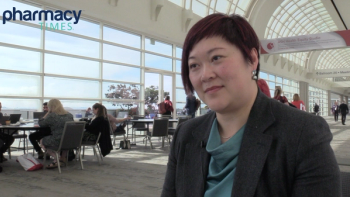
Yi Lin, MD, PhD, highlights the importance of achieving MRD negativity in multiple myeloma, CAR T-cell therapy outcomes, and the critical role of pharmacists in patient care.

A study in Lancet Haematology revealed that minority ethnic patients face significantly poorer outcomes after hematopoietic cell transplantation compared to White patients.

VGT-1849A could reduce JAK2 activity, lessening the disease burden faced by individuals with PV while providing a favorable safety profile.
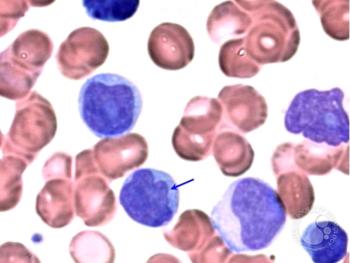
Alison Moskowitz, MD, discusses the clinical considerations, dosing strategies, and the critical role of pharmacists in managing toxicities and tailoring treatment plans for dual-targeted therapy with ruxolitinib and duvelisib.
Improvements were observed regardless of whether patients initiated ruxolitinib in the second or third line of treatment.
Compared with placebo, patients with relapsed/refractory (R/R) follicular lymphoma (FL) who were treated with tafasitamab showed a median progression-free survival (PFS) of 22.4 months.

Patients with chronic graft-versus-host disease (cGVHD) were most likely to receive belumosudil in the fourth line (33.7%) setting or the fifth through seventh line (33.1%).

According to the report, 75% of survey participants expect pharmacists to oversee these therapies and 58% expect Medicare will require pharmacist involvement.

This builds off prior data that showed safety and efficacy of CD19 and CD22 chimeric antigen receptor (CAR)-T cell therapy in children with relapsed or refractory B-lineage acute lymphoblastic leukemia (B-ALL).
The phase 3 CEPHEUS trial demonstrated that adding daratumumab (DARA) to the VRd regimen significantly improves minimal residual disease negativity, progression-free survival, and overall response in transplant-ineligible or transplant deferred patients with newly diagnosed multiple myeloma, establishing a new standard of care.

The GMMG-HD7 trial evaluated the addition of isatuximab to standard induction therapy in patients with newly diagnosed multiple myeloma who are eligible for autologous stem cell transplantation, demonstrating significantly higher rates of minimal residual disease negativity and improved progression-free survival (PFS).
The phase 3 AMPLIFY trial demonstrates that fixed-duration regimens of acalabrutinib and venetoclax, with or without obinutuzumab, significantly improve progression-free survival and deliver manageable safety profiles compared to chemoimmunotherapy in treatment-naive chronic lymphocytic leukemia (CLL).
The AQUILA study demonstrates that early treatment with daratumumab significantly delays progression to symptomatic multiple myeloma, improves survival outcomes, and offers a well-tolerated alternative to traditional observation.
Amir Ali, PharmD, BCOP highlights the success of shorter-treatment duration venetoclax in patients with acute myeloid leukemia and efficacy of pre-transplant blinatumomab in those with acute lymphocytic leukemia.
Rakesh Popat, MBBS, PhD explains the mechanisms of action behind the improvement in minimum residual disease in patients with lenalidomide-refractory multiple myeloma with cilta-cel compared with standard of care.
Jason Wang, MD highlights the reduction in incidence and severity of adverse events such as cytokine release syndrome and ICANS following axi-cel treatment in patients with R/R LBCL.
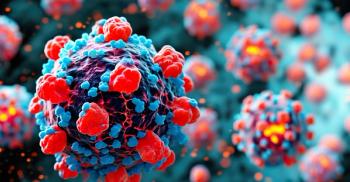
A ketogenic diet and its key metabolite, β-hydroxybutyrate, enhance the efficacy of CAR T-cell therapy by improving metabolic fitness, cytokine production, and cellular expansion, offering a promising, safe strategy for optimizing cancer immunotherapy.
Glucagon-like peptide 1 (GLP1) receptor agonists were shown to be associated with a reduced risk of venous thromboembolism (VTE), while high dietary fiber intake was shown to enhance microbiome health, lower graft-versus-host disease (GVHD) severity, and improve overall survival following allogeneic hematopoietic cell transplantation.
In newly diagnosed average and high standard risk B-cell acute lymphoblastic leukemia (B-ALL), blinatumomab improved disease-free survival (DFS) by approximately 97.5% and 94.1%, respectively.
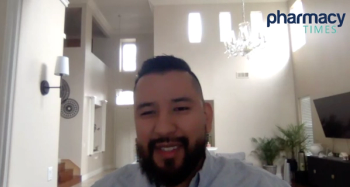
Jose Tinajero discusses how certain mutations can be indicators of blinatumomab treatment failure in patients with B-cell acute lymphoblastic leukemia.
The management of MDS is primarily targeted at controlling or slowing the disease and preventing future complications as much as possible.

The therapy has similar benefits for both older and younger patients with multiple myeloma.
Advertisement
Advertisement
Trending on Pharmacy Times
1
Ramantamig's 93.6% ORR and Outpatient CRS Control
2
FDA Approves Tavapadon, First D1/D5 Agonist for Parkinson Disease
3
Nearly Two-Thirds of Patients With Long COVID Meet Diagnostic Criteria for POTS
4
Teclistamab-Daratumumab Intensification Achieves 73% MRD-Negative CR Rate in High-Risk Multiple Myeloma
5