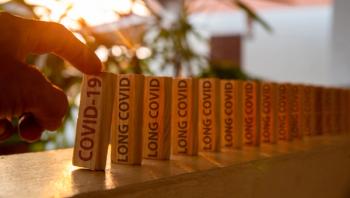
Researchers found substantial overlap in autonomic symptoms, orthostatic tachycardia, and functional impairment between long COVID and POTS.
CVS expands its footprint by acquiring 626 Rite Aid and Bartell locations, enhancing pharmacy access amid industry challenges.
CVS Pharmacy announced today that it has acquired and is now operating 626 Rite Aid and Bartell Drugs locations across the United States.1
The news comes 2 years after Rite Aid first declared bankruptcy in October 2023 and 5 months after it declared bankruptcy for the second time and closed all its stores in May 2025.2
According to a press release from CVS Pharmacy, the company now has the prescription records for over 9 million patients who previously received their medications from Rite Aid and Bartell Drugs. Over 3500 former employees have been hired by CVS as part of the acquisition and asset transfer.1
Len Shankman, executive vice president and president of pharmacy and consumer wellness at CVS Health, stated in a press release, “We’re helping maintain and expand access to convenient and trusted pharmacy care across the US and growing our retail footprint and presence in local communities.”
Rite Aid first filed for bankruptcy in October 2023, citing lagging sales as stores like Amazon, Walmart, Target, and Costco began offering prescription drug and convenience services. The organization said its sales lagged by over half a billion dollars between March 2022 and May 2023.
In that same window of time, the Department of Justice filed suit against Rite Aid for its role in the opioid epidemic, saying it knowingly processed prescriptions for addictive painkillers despite "obvious red flags." The legal expenses and financial penalties pushed the company's debt to nearly $4 billion. The Department of Justice also sued Walgreens and CVS for similar offenses related to the opioid epidemic, but superior sales meant those chains were better able to manage the financial burden. 2,3
Rite Aid emerged from bankruptcy in September 2024 by reducing debt and closing about 500 stores nationwide. In the long term, though, this was not enough for the company to regain its financial footing, and it declared bankruptcy a second time in May 2025.
Rite Aid has long been a distant third in the standalone pharmacy chain market. In October 2023, when it filed for bankruptcy for the first time, it was ranked seventh among pharmacy services, behind the larger stores mentioned above.3
CVS and Walgreens have also faced challenges this year. CVS has closed over 1000 stores and is experimenting with smaller stores that offer only prescription services rather than retail, and Walgreens Boots Alliance said in March it would become a privately held company this year after a private equity firm purchased it. That news follows a report in which Walgreens said it lost billions in sales and closed more than 10% of its locations.4-5
Both CVS and Walgreens have experimented with other ways to remain relevant in the shifting pharmacy business landscape, including launching clinical trial services to help patients enroll and access drugs currently in development. CVS phased out this service after about 2 years, although Walgreens' program is still operational.6