

Genglycos wins accelerated approval to cut daily cornstarch reliance in patients aged 8 and older with the rare metabolic disorder.

Luke Halpern is an associate editor with Pharmacy Times. Luke wrote for Pharmacy Times in the summer of 2023 and assumed a full-time role in June 2024. His work has been featured in Pharmacy Times and the American Journal of Managed Care. He graduated from the University of Massachusetts, Amherst, in May 2024.
Genglycos wins accelerated approval to cut daily cornstarch reliance in patients aged 8 and older with the rare metabolic disorder.

Garetosmab-grts cut new heterotopic ossification lesions by 90% or more at 56 weeks in the phase 3 OPTIMA trial.

New data link T2DM and prediabetes to more numerous, more severe symptoms, especially postmenopause.
Framing systemic inflammation as a “slow burn” helps patients see why SGLT2 inhibitors and GLP-1s work across diabetes, heart failure, and CKD.

New ACC statement urges pharmacists to weigh cognition and frailty in every older adult's cardiovascular regimen.

Chronic kidney disease (CKD) in diabetes is often caught late. Standardized eGFR and UACR screening plus thoughtful sequencing can slow progression and cut CV risk.

Adding family-based behavioral treatment to standard care nearly doubled clinically meaningful weight loss in kids in the TEAM UP trial.
From dietitian referrals to setting realistic weight-loss expectations, Cornell maps the pharmacist's place on the MASLD team.
UNC Health's Stacey Cutrell breaks down the PREVENT calculator, secondary-cause screening, and special-population guidance for pharmacists.
From patient selection to prior authorization: Tim Pflederer, MD, on delivering guideline-directed CKD care beyond the 15-minute visit.
Modeling in Canada suggests price drops of up to 70% could make dual glucagon-like peptide-1 (GLP-1) RA/SGLT2 inhibitor therapy the preferred strategy for high-risk patients with type 2 diabetes (T2D).

Andrew Bzowyckyj, PharmD, explains how the CKM framework turns albuminuria, ejection fraction, and inflammation into patient-specific risk stratification.
From double-dipping GLP-1s to off-label pioglitazone, Susan Cornell, PharmD, breaks down where the metabolic dysfunction-associated steatotic liver disease (MASLD) drug evidence stands today.

New recommendations move noncore shots to shared clinical decision-making, but a court stay keeps day-to-day pharmacy practice unchanged.

A 61,000-woman Danish cohort found overweight or obesity trajectories from 6 years of age tracked with lower odds of childbirth by the mid-20s.
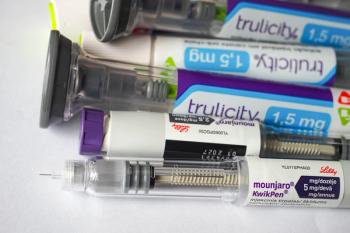
A US claims analysis found a 32% relative reduction in major adverse cardiovascular events (MACE) with tirzepatide vs a placebo-proxy comparator.
Pharmacists can guide patients in verifying sources, identifying licensed pharmacies, and understanding compounded vs FDA-approved products.

A revamped weight management program adds transparent Zepbound and Foundayo pricing, $29 MinuteClinic visits, and pharmacist support at 9000 sites.
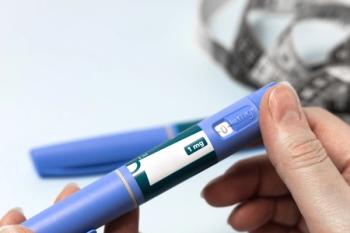
In adults with alcohol use disorder and diabetes or obesity, semaglutide or tirzepatide lowered hospitalization risk across 4 target trial emulations.

Orzeyful is the first orexin-restoring therapy for NT1, backed by the phase 3 FirstLight and RadiantLight trials.

A randomized trial found that medically tailored groceries cut hemoglobin A1C by 0.40 points and sharply improved food security in adults with type 2 diabetes.
A new machine learning version of the Martin-Hopkins equation matches the original's accuracy while making implementation easier for laboratories.
A nephrologist makes the case that value-based care is team-based care—with pharmacists, care managers, and dietitians in the loop.

Preclinical data show a GLP-1 receptor agonist reprogrammed lung macrophages and prevented post-COVID pulmonary fibrosis in diabetic mice.
Tim Pflederer, MD, of Evergreen Nephrology, explains why proteinuria, diabetes, and heart failure all point toward the same 2 drug classes.
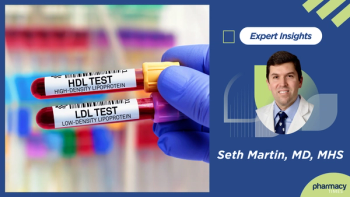
Seth Martin, MD, MHS, discusses a simplified machine-learning equation that helps labs deliver more accurate LDL-C results at no cost.

Most websites selling GLP-1 receptor agonists prescribed medication with minimal clinical vetting, raising safety concerns pharmacists should be aware of.
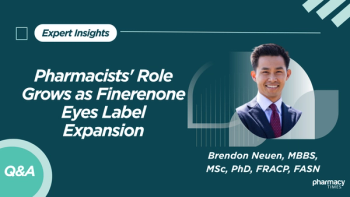
Brendon Neuen, PhD, MBBS, discusses findings from the FIND-CKD study showing that finerenone benefits patients with nondiabetic chronic kidney disease (CKD) and glomerular disease, as well as those receiving combination SGLT2i therapy.

SHASTA-3 and SHASTA-4 also showed a statistically significant drop in acute pancreatitis events, supporting a planned US sNDA this year.

NHANES data from 1999 to 2023 show obesity, severe obesity, and abdominal obesity climbing across all age groups, with pharmacists positioned to intervene.