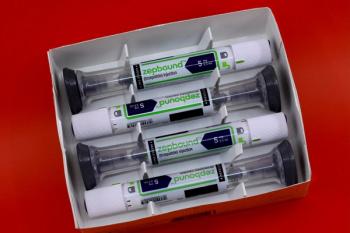
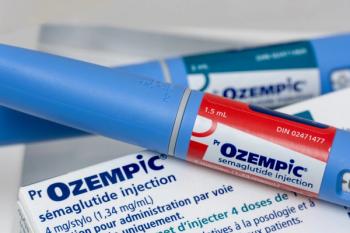
Franck: In ambulatory care settings, as I’ve said, technicians really have a lot of time to spend on accessing medications. These GLP-1 medications, which are what we think of most commonly with obesity, are very expensive. They need financial assistance or access to medication, whether through the manufacturer, an institution, or alternatives, including direct-from-the-manufacturer options.
The technician really can start with that access component, but then be aware of what’s out there. So if we prescribe a GLP-1 medication, but they know there’s a different one that has better coverage or maybe oral medications instead of injectable medications, those kinds of options help the technician take care of the patient in a slightly quicker fashion instead of just “Yes or no, can we do this?”
Pharmacy Times: What are the most impactful ways technicians can contribute to patient care—whether through workflow support, patient engagement, or coordination of services?
Franck: That’s a really good question, because I think it’s all of them. Technicians, again, start with that first line—talking with the patient, helping out with access, creating a good flow. But because they are so involved, they need to have a good background of knowledge on the disease state or the condition that they’re treating. The goal of this talk is really to help them get that background information, know how to manage, or know the background of management for obesity, and then relate that to how we can access medications based on that knowledge that they have.
Pharmacy Times: Obesity management often involves medications such as GLP-1 receptor agonists. How can technicians help navigate access, affordability, and adherence challenges?
Key Takeaways
- Technicians are essential for navigating access to GLP-1 receptor agonists and other obesity therapies.
- Education on obesity improves the technician’s impact on patient care and communication.
- Expanding technician roles enhances efficiency and patient outcomes.
Franck: As pharmacists in the ambulatory care setting, this is huge in our area. We see lots of patients every day. We don’t have the time to keep up with how to access medications or the different routes to access them. The pharmacy technician really is that expert on our team—at least that expert to really get things done—whether it’s that they keep up-to-date with, “This manufacturer now has this coverage with this insurance,” or maybe it’s expired or doesn’t have coverage anymore, so we have to go a different route. The pharmacy technician really is that expert in that access part and can really help gain access to medications, whether it’s in an ambulatory care setting, in the inpatient discharge setting, or when patients are just looking for something new to try for their obesity journey.
Pharmacy Times: What are common misconceptions about obesity that technicians should be aware of when interacting with patients?
Franck: I think this is a tough part. Societally, we think of obesity as potentially something that the patient brought upon themselves or something they aren’t doing much to help themselves with. But working with those patients every day, I I notice some trends and notice some things—that patients want to lose weight. They don’t want that obesity. Beyond the weight, the health effects of those conditions can be detrimental to the patient.
We spend time making sure they’re educated on their disease, and by the pharmacy technicians knowing what these patients are going through and what the outcomes or complications of the disease are, it really helps them be more empathetic, be more connected with those patients, and really help them in their journey beyond just medications. It is important to know that diet and exercise do matter in this condition, and although we have medications that do wonders for patients, without that extra diet and exercise management, the weight loss will not be as significant as it would be with those.
Pharmacy Times: For technicians attending your session at the American Association of Pharmacy Technicians 2026 convention in June, what key takeaways or practice changes do you hope they walk away with?
Franck: I want technicians to come and be open to a condition that is very popular right now. Everybody knows about GLP-1s—it’s just blowing up nationwide with how many people are on it and the access to that care. I want them to come learn about it and then realize that it’s beyond medications for obesity. You have to incorporate diet and exercise into that patient’s lifestyle habits.
I want them to see why we use GLP-1s. There are other medications for obesity—they just don’t work nearly as well. Come learn how and the literature behind that. Then, after you grasp those areas, roll that into access—where do we look for access? Are there alternative ways to gain access, such as direct-to-consumer pilot programs? Are there areas where we can send these medications to patients? By knowing where they are and where to look, that can help take care of our patients in a better way.
The American Association of Pharmacy Technicians’ 2026 Annual Pharmacy Technician Convention takes place June 5-6 in Austin, Texas.
Pharmacy Times: Is there anything else you’d like to add?
Franck: I want to put in a plug for UNMC College of Pharmacy and Nebraska Medicine, where we have really been blessed to have pharmacy technicians in our ambulatory care setting to help us with medication management and patient access. This is a growing area, and I can’t imagine being in a setting that doesn’t have that support from technicians. I really am blessed to have them on our team, and I look forward to continuing to partner by giving technicians more and more opportunities to grow in their own profession.