
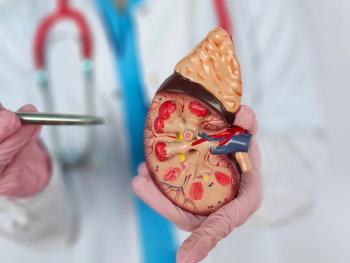
New findings show chronic kidney disease affects the same share of US adults as in 2013, although the disease is increasingly tied to diabetes and heart conditions.

Luke Halpern is an associate editor with Pharmacy Times. Luke wrote for Pharmacy Times in the summer of 2023 and assumed a full-time role in June 2024. His work has been featured in Pharmacy Times and the American Journal of Managed Care. He graduated from the University of Massachusetts, Amherst, in May 2024.
New findings show chronic kidney disease affects the same share of US adults as in 2013, although the disease is increasingly tied to diabetes and heart conditions.
Wendy St Peter, PharmD, explains how the new cardio-kidney-metabolic (CKM) syndrome guideline supports pharmacist-led medication management, staging tools, and deprescribing.

AZA Allsop, MD, PhD, outlines what REMS-style safety monitoring could look like for psychedelic therapies and why top institutions are investing heavily.

A study found worsening chronic kidney disease (CKD) severity was independently associated with increased mortality risk and exponentially higher rates of kidney replacement therapy initiation following ICU admission.

The POSEIDON clinical trial shows that high-sensitivity C-reactive protein levels remain elevated in approximately 2 in 5 patients with CVD, pointing to a gap in residual inflammatory risk management.

Yale's AZA Allsop, MD, PhD, on psychedelics as medicine vs wellness tools, and why naturalistic research settings matter for the field.

Findings from a multicenter cohort study suggest glucagon-like peptide-1 (GLP-1) receptor agonist therapy may be associated with an elevated risk of sensory disturbances.

The approval adds a 55-mg prefilled syringe for weight-based dosing and makes risankizumab the first IL-23 inhibitor cleared for pediatric patients weighing less than 40 kg.

Veligrotug-vvze is the first FDA-approved thyroid eye disease treatment with data in both active and chronic disease.

A compliance expert outlines what's next for GLP-1 compounding oversight and how pharmacists can stay audit-ready.
GoodRx's David Graziano breaks down how fluctuating acquisition costs, narrow formularies, and retrospective reimbursement adjustments are squeezing independent pharmacies—and what solutions exist to help them remain competitive.
A compliance expert breaks down the FDA's move to exclude glucagon-like peptide-1 (GLP-1) drugs from the 503B bulk's list and what it means for pharmacists and patients.

Chiadi Ndumele, MD, breaks down the cardiovascular-kidney-metabolic syndrome (CKM) guideline's glucagon-like peptide-1 (GLP-1) and kidney-protective therapy guidance—and the pharmacist's role in coordinated care.

From AI-driven dispensing to grassroots advocacy wins, here are the key insights Pharmacy Times gathered at McKesson ideaShare 2026 in Denver.

Specialty dispensing and infusion services offer real opportunity—but the path requires careful planning, sequencing, and the right resources.
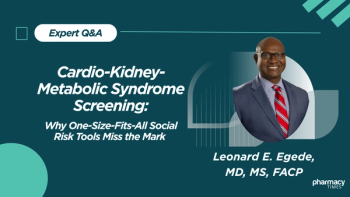
Leonard Egede explains why PHQ-9 screening belongs in every cardio-kidney-metabolic (CKM) syndrome risk assessment—and how community pharmacists can reach patients the formal system misses.
Leaders of the newly launched Psychedelic Pharmacists Foundation discuss pharmacists' critical role in psychedelic-assisted therapy and patient education.

Three finalist pharmacies shared the mindsets, tools, and community-rooted strategies driving their operational success and patient-centered care.

Two pharmacy owners share real-world strategies for integrating artificial intelligence (AI) and automation to boost efficiency, expand clinical capacity, and elevate patient care.

From artificial intelligence (AI)-driven dispensing to specialty service diversification, Jaime Montuoro, PharmD, previews the education lineup at McKesson ideaShare 2026.

McKesson ideaShare 2026 brings independent pharmacy's premier gathering to Denver, June 18-21, with Pharmacy Times on-site for exclusive interviews and coverage.

A new Lancet study provides the first plausible evidence that a national package of food labeling, marketing restrictions, and school food policies can reduce excess weight among young children.
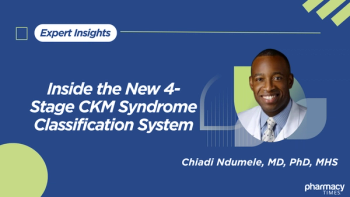
Chiadi Ndumele, MD, explains why the new American Heart Association (AHA)/American College of Cardiology (ACC) guideline addresses cardiovascular-kidney-metabolic (CKM) disease as one interconnected syndrome.
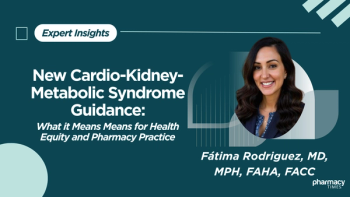
Fátima Rodriguez, MD, explains how the new cardiovascular-kidney-metabolic (CKM) syndrome guideline addresses health equity, risk prediction, and the pharmacist's role in care.

Phase 3 REIMAGINE data presented at ADA 2026 show the amylin–GLP-1 combination bests semaglutide monotherapy across type 2 diabetes stages, with implications for pharmacist-managed diabetes care.
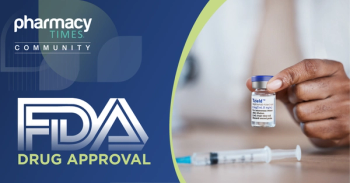
Approval of teplizumab-mzwv in patients aged 8 to 17 years makes it the first disease-modifying therapy for children newly diagnosed with stage 3 type 1 diabetes.
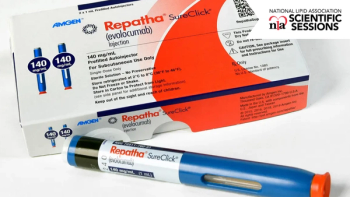
TIMI Study Group investigators presented new VESALIUS-CV data showing that intensive LDL-C lowering with evolocumab reduces major cardiovascular events, reinforcing the "lower is better, earlier is better" approach to lipid management.

A post hoc analysis of ATTAIN-1 and ATTAIN-2 presented at ADA 2026 found orforglipron (Foundayo) significantly reduced body weight and waist circumference in women regardless of menopausal stage.
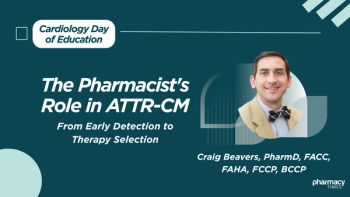
Craig Beavers, PharmD, discusses transthyretin amyloidosis cardiomyopathy (ATTR-CM) red flags, treatment evidence, and how pharmacists can drive earlier diagnosis and improve patient outcomes.

Landmark data from three major trials published simultaneously suggest finerenone may protect kidney function and reduce cardiovascular risk across a far broader CKD population than current guidelines recognize.