
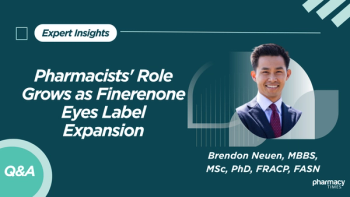
Brendon Neuen, PhD, MBBS, discusses findings from the FIND-CKD study showing that finerenone benefits patients with nondiabetic chronic kidney disease (CKD) and glomerular disease, as well as those receiving combination SGLT2i therapy.

Luke Halpern is an associate editor with Pharmacy Times. Luke wrote for Pharmacy Times in the summer of 2023 and assumed a full-time role in June 2024. His work has been featured in Pharmacy Times and the American Journal of Managed Care. He graduated from the University of Massachusetts, Amherst, in May 2024.
Brendon Neuen, PhD, MBBS, discusses findings from the FIND-CKD study showing that finerenone benefits patients with nondiabetic chronic kidney disease (CKD) and glomerular disease, as well as those receiving combination SGLT2i therapy.
SHASTA-3 and SHASTA-4 also showed a statistically significant drop in acute pancreatitis events, supporting a planned US sNDA this year.

NHANES data from 1999 to 2023 show obesity, severe obesity, and abdominal obesity climbing across all age groups, with pharmacists positioned to intervene.
A global trial found the long-acting analogue reduced severe hypoglycemia and nighttime lows in youth with type 1 diabetes by 12 months, not 6.

New scientific statement links moderate caffeine to lower cardiovascular risk—but flags energy drinks as a distinct hazard pharmacists should counsel on.
A machine learning–triggered nephrology consultation did not reduce peak creatinine changes in hospitalized patients at high risk for stage 2 AKI.

Craig Beavers, PharmD, FACC, FAHA, FCCP, BCCP, BCPS (AQ-Cardiology), CACP, led a Pharmacy Times Clinical Forum on optimizing the management of patients with heart failure across practice settings.
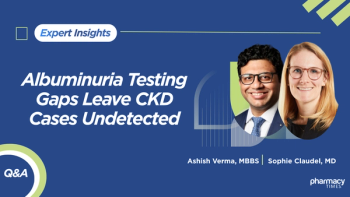
Nephrology experts Ashish Verma, MBBS, and Sophie Claudel, MD, discuss why estimated glomerular filtration rate alone misses chronic kidney disease and how pharmacists can help drive earlier detection.
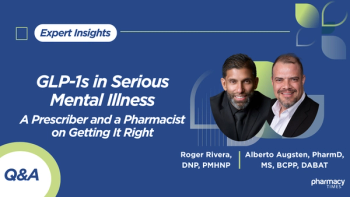
Two clinicians—a psychiatric prescriber and a hospital clinical pharmacist—weigh in on when to add a glucagon-like peptide-1 receptor agonist for patients with serious mental illness, how to monitor for trouble, and how to set expectations at the counter.
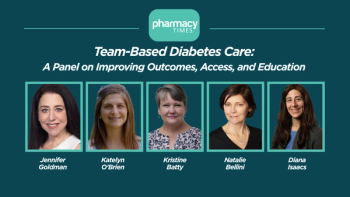
A panel of pharmacists and nurse practitioners discussed how interdisciplinary diabetes teams divide technology education, medication management, and follow-up care.
The 20-mg once-daily tablet is indicated as an adjunct to diet and exercise to reduce low-density lipoprotein cholesterol (LDL-C).
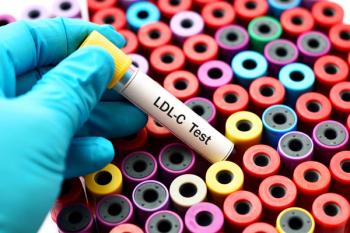
A simplified, no-cost machine learning version of the Martin-Hopkins equation matched the original's accuracy across millions of blood samples, helping clinicians identify patients who qualify for lipid-lowering therapy.
A member of the cardio-kidney-metabolic syndrome (CKM) guideline writing committee outlines steps pharmacists can take to ensure the kidney component of CKM is not overlooked.
Boston University researchers say flat chronic kidney disease (CKD) prevalence conceals a growing diabetes-linked burden, and pharmacists have a key role in closing screening gaps.
Beckley Retreats CEO Neil Markey discusses how the recent executive order on psychedelic therapies for veterans could reshape access to ibogaine and other investigational treatments.
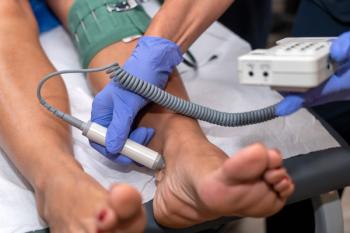
New real-world data suggest pharmacists may have an expanding role in prioritizing GLP-1 therapy for patients managing both conditions.

The new program gives eligible Medicare Part D beneficiaries access to Wegovy, Zepbound, and Foundayo for weight management at a flat $50 co-pay, but early claim-routing errors show pharmacists have a critical role in getting patients across the bridge.
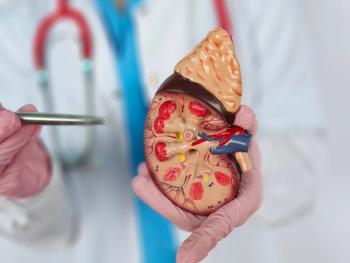
New findings show chronic kidney disease affects the same share of US adults as in 2013, although the disease is increasingly tied to diabetes and heart conditions.
Wendy St Peter, PharmD, explains how the new cardio-kidney-metabolic (CKM) syndrome guideline supports pharmacist-led medication management, staging tools, and deprescribing.

AZA Allsop, MD, PhD, outlines what REMS-style safety monitoring could look like for psychedelic therapies and why top institutions are investing heavily.

A study found worsening chronic kidney disease (CKD) severity was independently associated with increased mortality risk and exponentially higher rates of kidney replacement therapy initiation following ICU admission.

The POSEIDON clinical trial shows that high-sensitivity C-reactive protein levels remain elevated in approximately 2 in 5 patients with CVD, pointing to a gap in residual inflammatory risk management.

Yale's AZA Allsop, MD, PhD, on psychedelics as medicine vs wellness tools, and why naturalistic research settings matter for the field.

Findings from a multicenter cohort study suggest glucagon-like peptide-1 (GLP-1) receptor agonist therapy may be associated with an elevated risk of sensory disturbances.

The approval adds a 55-mg prefilled syringe for weight-based dosing and makes risankizumab the first IL-23 inhibitor cleared for pediatric patients weighing less than 40 kg.
Veligrotug-vvze is the first FDA-approved thyroid eye disease treatment with data in both active and chronic disease.
A compliance expert outlines what's next for GLP-1 compounding oversight and how pharmacists can stay audit-ready.
GoodRx's David Graziano breaks down how fluctuating acquisition costs, narrow formularies, and retrospective reimbursement adjustments are squeezing independent pharmacies—and what solutions exist to help them remain competitive.
A compliance expert breaks down the FDA's move to exclude glucagon-like peptide-1 (GLP-1) drugs from the 503B bulk's list and what it means for pharmacists and patients.
Chiadi Ndumele, MD, breaks down the cardiovascular-kidney-metabolic syndrome (CKM) guideline's glucagon-like peptide-1 (GLP-1) and kidney-protective therapy guidance—and the pharmacist's role in coordinated care.