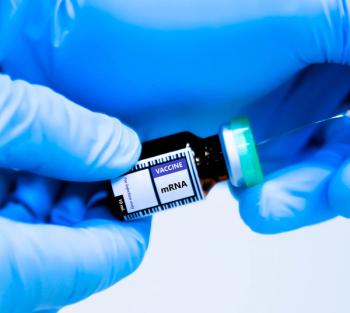
Despite the controversy surrounding mRNA's role in the COVID-19 response, the technology's broader promise—to prevent, treat, and even cure a host of diseases—is coming into focus.
COVID-19 vaccination significantly lowers severe illness and preterm birth risks for pregnant individuals.
Pregnant individuals who received a vaccine against SARS-CoV-2 prior to or during their pregnancy were significantly less likely to experience severe COVID-19 illness or deliver their babies prematurely, according to new research published by investigators in the JAMA.1
There are prevalent gaps in knowledge that exist about the impact of COVID-19 and vaccination on pregnancy outcomes. Along with new questions purported by federal health authorities on the effectiveness of the vaccines in pregnancy, further investigation into the impact of vaccination on maternal and perinatal outcomes associated with SARS-CoV-2 infection in pregnancy was necessary.1,2
The investigators thus initiated a Canadian population-level surveillance of pregnant individuals infected with SARS-CoV-2 and their infants between April 2021 and December 2022. A total of 26,584 cases were identified, and 19,899 cases were deemed eligible for analysis. Cases were divided based on those occurring during the Delta variant wave and those during the Omicron variant wave of SARS-CoV-2.1
Overall, the findings indicate that individuals vaccinated against COVID-19 were about 60% less likely to be hospitalized and 90% less likely to require intensive care compared with those unvaccinated at the time of their infection. Moreover, the authors observed that patients vaccinated during pregnancy, rather than before pregnancy, had larger reductions in preterm and stillbirth rates. The analysis affirms the benefits of timely COVID-19 vaccination, especially for individuals who are pregnant or planning a pregnancy.1,2
“Our findings provide clear, population-level evidence that COVID-19 vaccination protects pregnant people and their babies from serious complications,” Deborah Money, CM, BSc, MD, FRCSC, FCAHS, a professor of obstetrics and gynecology at the University of British Columbia and senior author of the study, said in a news release accompanying the results. “Even as the virus evolved, vaccination continued to offer substantial benefits for both mother and child.”2
Across the cohort and in both SARS-CoV-2 waves, COVID-19 vaccination was associated with the following:
Multivariable analyses confirmed that vaccination remained associated with lower hospitalization risk across both variant time periods following controlling for comorbid conditions. During the Omicron wave, unvaccinated individuals had an adjusted RR of hospitalization of 2.43 (95% CI, 1.72-3.43) compared with vaccinated patients. In Delta, unvaccinated individuals had an adjusted hospitalization RR of 3.82 (95% CI, 2.38-6.14).1
This new data arrives as COVID-19 vaccination efforts are being questioned by United States federal health authorities, especially regarding new guidance from the CDC recommending that healthy children and pregnant women need not receive COVID-19 vaccinations. The recommendations have been decried by numerous health care advocacy groups as reckless and irresponsible, and many have joined a suit filed against the US Department of Health and Human Services seeking to roll back the recommendations.3
Health care officials, backed up by extensive research, affirm that COVID-19 vaccination is safe and effective for pregnant individuals. Research shows that infection with COVID-19 during pregnancy can pose risks to both the mother and child, increasing the likelihood of preeclampsia, preterm birth, stillbirth, and neurodevelopmental delays. Pharmacists are in a pivotal position to communicate such risks to pregnant individuals considering COVID-19 vaccination and counsel them on the risk-benefit profile of vaccination.3,4
Stay informed on drug updates, treatment guidelines, and pharmacy practice trends—subscribe to Pharmacy Times for weekly clinical insights.
Subscribe