

Session at the Hematology/Oncology Pharmacy Association Annual Conference 2022 focuses on methods to improve emotional exhaustion among pharmacists and other health care providers.
Session at the Hematology/Oncology Pharmacy Association Annual Conference 2022 focuses on methods to improve emotional exhaustion among pharmacists and other health care providers.
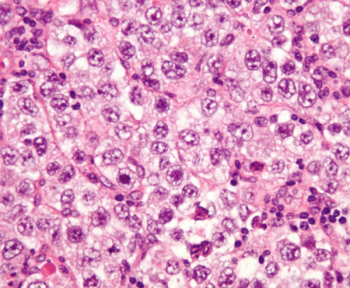
With risk stratification, up to 60% of individuals with chronic myeloid leukemia who are low-risk sustain treatment-free remission.

Ted Okon, MBA, executive director of the Community Oncology Alliance (COA), discusses key highlights from the in-person COA 2022 conference.
These include progression-free survival, time to treatment failure, and time to tumor progression, according to a presentation at the Hematology/Oncology Pharmacy Association conference.
21-gene profiling is also preferred for patients with 1 to 3 pathologically positive lymph nodes, according to a presentation at the Hematology/Oncology Pharmacy Association conference.

Measurements may not be accurate in those with darker tones, according to analysis to be presented at the American College of Cardiology’s 71st Annual Scientific Session.
Christy S. Harris, PharmD, BCOP, FHOPA, clinical pharmacy specialist at Dana-Farber Cancer Institute, discusses guidelines for common therapies and appropriate monitoring recommendations for selected therapies used in the treatment of adult sarcomas.

Heidi D. Finnes, PharmD, BCOP, FHOPA, president-elect of Hematology/Oncology Pharmacy Association (HOPA), discusses ways to address burnout in the hematology/oncology space.
Heidi D. Finnes, PharmD, BCOP, FHOPA, president-elect of Hematology/Oncology Pharmacy Association (HOPA), provides details of the upcoming HOPA 2022 conference.

Analysis to be presented at the American College of Cardiology’s 71st Annual Scientific Session is based on the health records of 495,386 patients.

Elizabeth Spurlock, MA, PHR, director of HR Business Partner at Texas Oncology, discusses how burnout among physicians, nurses, and hospital administrators has impacted the role of the pharmacist in patient care.
Heidi D. Finnes, PharmD, BCOP, FHOPA, president-elect of Hematology/Oncology Pharmacy Association (HOPA), provides details of the upcoming HOPA 2022 conference.
Larry Buie, PharmD, BCOP, FASHP, outgoing president of the Hematology/Oncology Pharmacy Association (HOPA), shares some details of HOPA’s upcoming 2022 annual conference in Boston and provides an overview of his term as HOPA’s president.


Open to all health care professionals, the PQA meeting is a top forum for learning best practices and emerging trends in medication services, pharmacist-provided care and quality improvement initiatives.
Pharmacy Times will be covering the upcoming Hematology and Oncology Pharmacy Association (HOPA) Association Annual Conference live in Boston, Massachusetts, taking place March 30 through April 2.
Marina Frimer, MD, FACOG, FACS, gynecologic oncologist at the Northwell Health Cancer Institute, discusses next steps following the results of the phase 2 trial assessing niraparib on the treatment of patients with stage 3, stage 4, or platinum-sensitive recurrent uterine serous carcinoma.

Niraparib shows promise in patients with newly diagnosed advanced epithelial ovarian, fallopian tube, or primary peritoneal cancer.
Marina Frimer, MD, FACOG, FACS, gynecologic oncologist at the Northwell Health Cancer Institute, discusses the implications of the phase 2 trial assessing niraparib on the treatment of patients with stage III, stage IV, or platinum-sensitive recurrent uterine serous carcinoma.
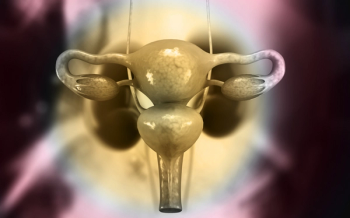
Growing evidence indicates that PARP inhibition, both as frontline maintenance and recurrent maintenance, is important for many patients with ovarian cancer.

Marina Frimer, MD, FACOG, FACS, gynecologic oncologist at the Northwell Health Cancer Institute, discusses the endpoints of the phase 2 trial assessing niraparib in patients with stage 3, stage 4, or platinum-sensitive recurrent uterine serous carcinoma.

Darren Mensch, PharmD, BCPS, BCACP, clinical ambulatory care pharmacist of population health at Jefferson Health in Abington, describes the role pharmacists play in team-based care, population health management, and value-based care.

Just culture framework helps to balance safety and accountability in medication error by identifying the root cause without blaming an individual.
Marina Frimer, MD, FACOG, FACS, gynecologic oncologist at the Northwell Health Cancer Institute, discusses how patients were selected for the phase 2 trial assessing niraparib in patients with stage 3, stage 4, or platinum-sensitive recurrent uterine serous carcinoma.
S. Diane Yamada, MD, president of the Society of Gynecologic Oncology (SGO), discusses how SGO shapes and guides the direction of medical researchers and health care professionals in the gynecologic oncology field.
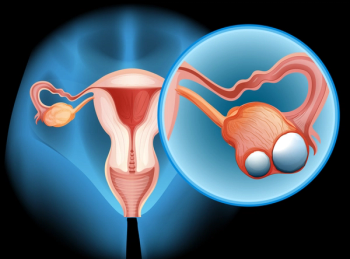
Only 40% of patients with platinum sensitive disease are receiving a PARP inhibitor in the first-line setting.
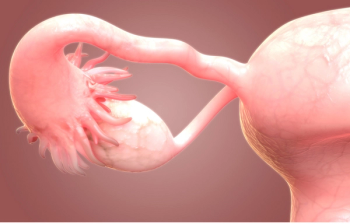
Data from the SOLO-1 trial highlight that even with an excellent prognostic group, patients with ovarian cancer still benefit from the use of a PARP inhibitor.
The death rate from cervical cancer has dropped by more than 50% since 1975.

Factors such as economic stability and education access can be categorized into social determinants of health.

Use of mirvetuximab soravtansine monotherapy in patients with ovarian cancer resulted in meaningful anti-tumor activity, consistent safety, and favorable tolerability.