
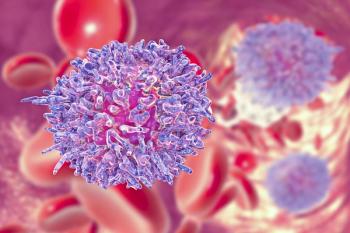
Matthew Davids, MD, MMSc, associate professor of medicine at Harvard Medical School, discusses how iFCR therapy increases the chance of functional cure for younger individuals with chronic lymphocytic leukemia.
Matthew Davids, MD, MMSc, associate professor of medicine at Harvard Medical School, discusses how iFCR therapy increases the chance of functional cure for younger individuals with chronic lymphocytic leukemia.
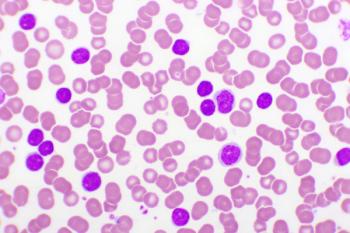
Lindsey Roeker, MD at assistant attending L1, Memorial Sloan Kettering Cancer Center, discusses her ASH 2021 presentation and addresses how the study design could affect future studies.

Myriam Mendila, MD, chief medical officer and global head of medical affairs at Novartis Oncology, discusses how the ASCEMBL study data may impact treatment strategies and approaches for patients with chronic myeloid leukemia.
Following the success of ibrutinib, second-generation BTK inhibitors have shown even better outcomes with fewer toxicities.
Lindsey Roeker, MD at assistant attending L1, Memorial Sloan Kettering Cancer Center, discusses her ASH 2021 presentation and addresses the study design and the sample demographics.
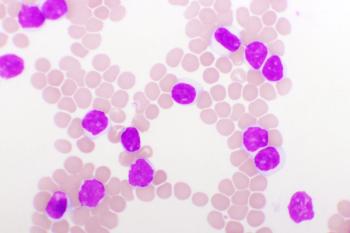
Lindsey Roeker, MD, assistant attending L1 at Memorial Sloan Kettering Cancer Center, discusses her ASH 2021 presentation and addresses the highlights of the study and how the add-on approach affect the treatment of CLL.

The body of research around acalabrutinib is becoming quite advanced, allowing clinicians to feel confident when treating patients.
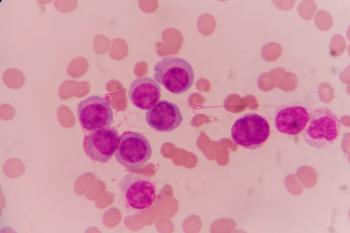
Lindsey Roeker, MD, assistant attending L1 at Memorial Sloan Kettering Cancer Center, discusses her ASH 2021 presentation and addresses how the addition of umbralisib and ublituximab affect those being treated with ibrutinib.
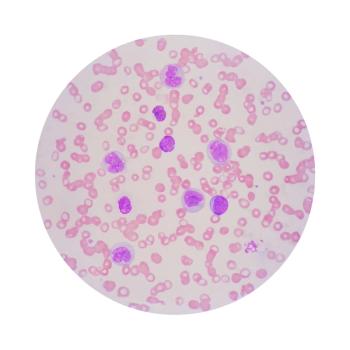
Myriam Mendila, MD, chief medical officer and global head of medical affairs at Novartis Oncology, discusses how asciminib has impacted the treatment landscape for chronic myeloid leukemia.
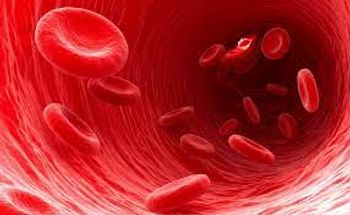
The multicenter phase 3 study randomized patients with R/R CLL 1:1 to receive acalabrutinib 100 mg orally twice daily or investigator’s choice of idelalisib plus rituximab or bendamustine plus rituximab until disease progression or unacceptable toxicity.
Lindsey Roeker, MD, assistant attending L1 at Memorial Sloan Kettering Cancer Center, discusses her ASH 2021 presentation and addresses some of the challenges and risk of ibrutinib as treatment for CLL.
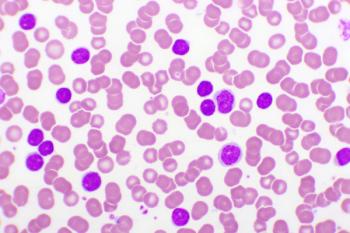
Myriam Mendila, MD, chief medical officer and global head of medical affairs at Novartis Oncology, discusses new longer-term efficacy and safety data from the pivotal phase 3 ASCEMBL study.

Teena Chopra, MD, MPH, professor of infectious diseases at Wayne State University, discussed how microbiome-based therapeutics may impact the current treatment landscape for C. diff infection and recurrent C. diff infection.

Teena Chopra, MD, MPH, professor of infectious diseases at Wayne State University, discussed the current burden of C. diff infection and recurrent C. diff infection.
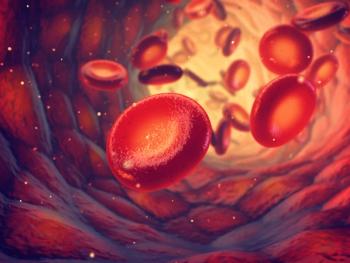
The combination therapy of ibrutinib and venetoclax was superior to chlorambucil and obinutuzumab in terms of undetectable minimal residual disease responses in elderly or unfit patients with previously untreated chronic lymphocytic leukemia.

Teena Chopra, MD, MPH, professor of infectious diseases at Wayne State University, addressed the risk factors for C. diff infection and recurrent C. diff infection.

In a phase 1b trial, the combination therapy of acalabrutinib, venetoclax, and rituximab had a 100% clinical response rate and was well-tolerated in patients with treatment-naïve mantle cell lymphoma.

A panel recently re-convened recently to develop guidance for AmpC-bearing gram-negative pathogens.

The long-acting antiretroviral therapy is intended to replace antiretroviral regimens for individuals who are virologically suppressed.

Pharmacists can help patients manage their medications and any adverse effects, and can also educate patients about their condition and treatments.

In this video, Dr. Sherman recommends strategies for solving drug therapy related problems common to long-acting antiretroviral agents, such as missed doses, adverse drug reactions and drug–drug interactions.
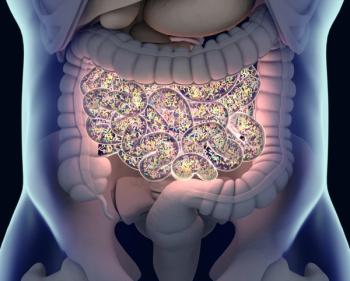
Teena Chopra, MD, MPH, professor of infectious diseases at Wayne State University, addressed the relationship between gut microbiome and C. diff infection.

Teena Chopra, MD, MPH, professor of infectious diseases at Wayne State University, discusses the current treatment strategies for C. diff infection and recurrent C. diff infection, as well as the efficacy and safety of these treatments.

In an interview with Pharmacy Times, Thomas Lodise, PharmD, PhD, discussed new guidance released by the Infectious Diseases Society of America (IDSA) on the treatment of antimicrobial resistant gram-negative infections.

Teena Chopra, MD, MPH, professor of infectious diseases at Wayne State University, explains what the gut-brain axis is and how microbiome impacts this connection.

In this video, Dr. Sherman explains the recent data surrounding the right candidates for long-acting cabotegravir for HIV prevention.

Teena Chopra, MD, MPH, professor of infectious diseases at Wayne State University, discussed the role of the microbiome in overall patient health and recurrent Clostridioides difficile infection.

Lodise said that one of the notable takeaways is the de-prioritization of polymyxins for the treatment of these infections.

Fulvestrant is also the only SERD approved for patients with breast cancer, according to the researchers.

Results of analysis suggest that pharmacists can play a crucial role in increasing annual vaccinations.