
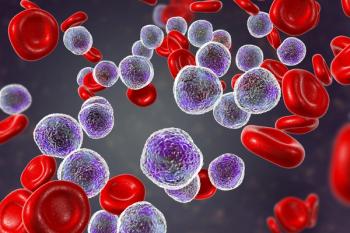
Results are from an exploratory analysis of 34 patients who received at least 1 dose after disease progression or suboptimal response with ruxolitinib monotherapy
Results are from an exploratory analysis of 34 patients who received at least 1 dose after disease progression or suboptimal response with ruxolitinib monotherapy
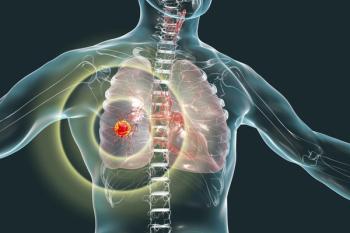
Results show that 64% of individuals treated with lorlatinib were without disease progression after 3 years compared with about 19% of those treated with crizotinib (Xalkori).
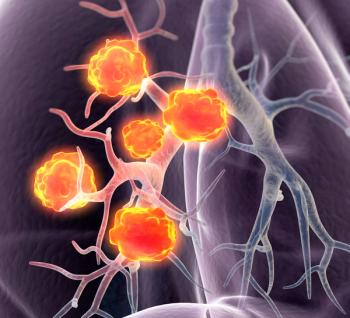
Sotorasib demonstrates clinical benefit and prolonged tumor response seen, with a 40.7% objective response rate.

Britny Brown, PharmD, BCOP, vice chair of the Hematology/Oncology Pharmacy Association (HOPA) DEI Task Force and clinical assistant professor at the University of Rhode Island College of Pharmacy, discusses the role of the task force within HOPA and its impact on the field more broadly.
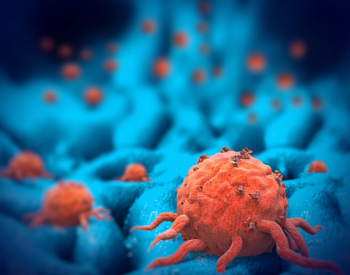
Peptide-targeted radionuclide therapy FAP-2286 (Clovis Oncology) showed potent affinity for human fibroblast activation protein by biochemical and cell-based assays.
In an interview with Pharmacy Times®, Ryan Haumschild, PharmD, MS, MBA director of pharmacy at Emory Healthcare and Winship Cancer Institute, discusses the pharmacists role in care teams for targeted therapies at the Academy of Managed Care Pharmacy Annual Meeting.
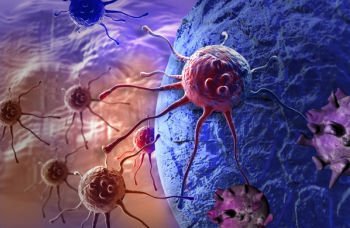
Poster at AACR highlights in vitro and in vivosynthetic lethality activity of rucaparib in multiple cancer cell types and PDX tumors that harbor genetic or epigenetic alterations in non-BRCA HRR genes.

In an interview with Pharmacy Times®, Chelsee Jensen, PharmD, pharmaceutical formulary manager at Mayo Clinic, discusses biosimilar usage in health systems and challenges that come with it.

Sarah Wheeler, PharmD, BCOP, clinical pharmacy specialist in Hematology/Oncology at UF Health Shands Cancer Hospital, discusses some of the barriers patients with cancer may experience that oncology pharmacists can help them navigate through.
Melissa Johnson, MD, program director of Lung Cancer Research at the Sarah Cannon Research Institute, discusses her presentation at the Community Oncology Alliance 2022 conference on new drugs in the non-small cell lung cancer space.
Jim Schwartz, RPh, executive director of pharmacy operations for Oncology Pharmacy Services, discusses his presentation at the Community Oncology Alliance 2022 conference on the new world of oral cancer drug dispensing.
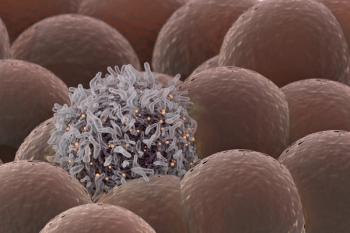
In an interview with Pharmacy Times®, Eric Tichy, PharmD, MBA, BCPS, FAST, FCCP, Vice Chair of Pharmacy/Formulary at Mayo Clinic, discusses some formulary trends in biosimilars at the Academy of Managed Care Pharmacy Annual Meeting.

With therapeutics developing quickly in the cardiovascular space, pharmacists are more important than ever.

Pharmacy Times spoke with Dave Dixon, PharmD, to learn more about his presentation titled “New Pharmacologic Therapies for Heart Failure.

Mavacamten is a first-in-class, oral, allosteric modulator of cardiac myosin being evaluated for the treatment of symptomatic obstructive hypertrophic cardiomyopathy.

Session at American College of Cardiology Scientific Sessions 2022 highlight treatments for symptomatic obstructive hypertrophic cardiomyopathy.

Mark Svet, MD, is the lead study author on a sub-analysis of the VOYAGER PAD study evaluating data on the use of rivaroxaban in patients with peripheral artery disease (PAD) and chronic kidney disease (CKD).

Multiple approaches can be taken to optimize medical therapy in patients with PAD.

Pharmacy Times spoke with Dipti Itchhaporia, MD, the 70th president of the American College of Cardiology (ACC).

Despite the approval of exciting new therapies for heart failure, there are still some challenges that need to be addressed to improve patient outcomes.

Common issues that affect patient outcomes include economic stability, education access, health care access, social and community context, and neighborhood environment.
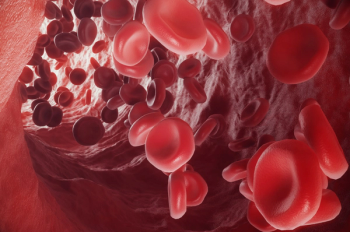
Results of the phase 3 VOYAGER PAD clinical trial show rivaroxaban (Xarelto; Janssen Pharmaceutical Companies) plus aspirin lowers severe vascular events in patients with peripheral arterial disease after lower-extremity revascularization.
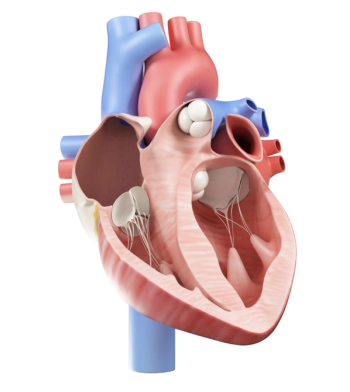
Empagliflozin (Jardiance, Boehringer Ingelheim/Lilly) tablets are the first and only heart failure therapy to demonstrate a statistically significant risk reduction in cardiovascular death.

Session explores data from both the SCORED trial of sotagliflozin and the REVERSE-IT trial investigating bentracimab to reverse the antiplatelet effects of ticagrelor.

Health care professionals need to meet their patients at their health level and find a diet and medication regimen that works for them to best reduce the risk of cardiovascular events.

Pharmacy Times spoke with Craig Granowitz, MD, PhD, chief medical officer at Lexicon Pharmaceuticals, to learn more about sotagliflozin and new data being presented at the American College of Cardiology 2022 Scientific Sessions.

Pharmacy Times spoke with Orly Vardeny, PharmD, MS, a core investigator at the Center for Care Delivery and Outcomes Research in the US Department of Veterans Affairs, about pharmacists’ roles in managing pharmacotherapy disparities.
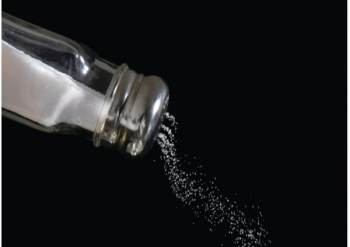
Lowering salt intake was not found to reduce visits to the emergency department, however, there were improvements in quality of life.

Milind Desai, MD, national principal investigator of the VALOR-HCM trial, discussed new results presented at the American College of Cardiology 2022 Scientific Sessions.
Sarah Wheeler, PharmD, BCOP, clinical pharmacy specialist in Hematology/Oncology at UF Health Shands Cancer Hospital, discusses some of the barriers that patients with cancer may encounter following their diagnosis.