Phase 2 DeLLphi-309 data show comparable activity in previously treated SCLC with less frequent dosing.
Updated results from a phase 1 study showed that KLN-1010 produced reduced MRD-negative responses in all treated patients with RRMM.
The treatment landscape for relapsed and refractory multiple myeloma (RRMM) has transformed with the introduction of chimeric antigen receptor (CAR) T-cell therapy, producing deep and durable responses in heavily pretreated patients. However, current approved CAR T therapies require individualized manufacturing, specialized treatment centers, lymphodepleting chemotherapy, and extended wait times between patient identification and treatment administration.
In updated findings from the ongoing first-in-human phase 1 inMMyCAR study (NCT07075185), presented at the 2026 American Society of Clinical Oncology (ASCO) Annual Meeting, suggest that KLN-1010 offers a different approach by generating anti-BCMA CAR-T cells directly within the patient following a single intravenous infusion.
Traditional CAR T-cell therapy requires collecting a patient's T cells, engineering them ex vivo, expanding them in a manufacturing facility, and reinfusing them weeks later following preparative chemotherapy. Although this has proven effective, this process can create logistical barriers and delay treatment for patients with rapidly progressing disease.
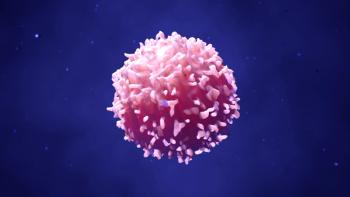
KLN-1010 is designed to overcome these challenges through an in vivo CAR T platform. The therapy utilizes a modified lentiviral vector that generates fully human anti-BCMA CAR-T cells directly within the patient after intravenous administration, eliminating the need for cell collection, manufacturing, and lymphodepleting chemotherapy.
The ongoing inMMyCAR trial represents the first sponsored multicenter study evaluating an in vivo CAR-T therapy in patients with RRMM.
Eligible patients had measurable RRMM and received at least 3 prior lines of therapy, including a proteasome inhibitor, an immunomodulatory agent, and an anti-CD38 monoclonal antibody. In order to qualify for enrollment, it was required to have adequate organ and bone marrow function.
At the time of the analysis, 6 patients were treated across 2 dose levels: 6 × 10⁶ IU/kg and 2 × 10⁷ IU/kg. The patient population age group ranged from 61 to 72 years and had received between 3 and 5 prior lines of therapy. Notably, 5 of the 6 patients had high-risk cytogenetic features, and 1 patient had extramedullary disease, a population traditionally associated with poorer outcomes.
The data reports a median time from consent to infusion of just 13.5 days, highlighting one of the potential logistical advantages of the in vivo CAR-T approach.
All 6 of the treated patients achieved minimal residual disease (MRD) negativity at 1 month, including 5 patients at a sensitivity threshold of 10-6 and 1 patient at 10-5. Responses continued to deepen over time, and the patient with the longest follow-up remained MRD-negative with a stringent complete response through month 6.
All patients achieved responses according to International Myeloma Working Group criteria. Particularly notable was the patient with extramedullary disease, who demonstrated complete radiographic resolution within 1 month of treatment.
The data further confirms ongoing CAR T-cell persistence, with CAR T cells remaining detectable in peripheral blood through 4 months of follow-up. By month 3, the detected CAR T cells were predominantly memory phenotype, a characteristic that may be important for long-term immune surveillance and disease control.
KLN-1010 demonstrated a safety profile generally consistent with immune-based cellular therapies.
All patients experienced treatment-emergent adverse events. Infusion-related reactions occurred in 3 patients and resolved within 6 to 48 hours with appropriate management. Cytokine release syndrome was observed in 4 patients, with all events classified as grade 2. The median onset was 11 days after infusion, and events were successfully managed with tocilizumab and corticosteroids.
Notably, the data reported no cases of immune effector cell-associated neurotoxicity syndrome (ICANS) and no delayed neurotoxicity. No significant clinical consequences were associated with the observed lymphocyte expansions following treatment.
The manageable toxicity profile, combined with the absence of lymphodepleting chemotherapy, may support future exploration of outpatient administration strategies.
While the dataset remains small and follow-up is early, the results from inMMyCAR grant an initial proof of concept for in vivo CAR-T therapy in multiple myeloma. Achieving MRD-negative responses in all treated patients, including a patient with extramedullary disease, is especially encouraging given the heavily pretreated nature of the study population.
In a broader context, KLN-1010 represents an attempt to address one of the greatest limitations of current CAR-T therapy: accessibility. If larger studies confirm these findings, generating CAR-T cells directly within the patient could simplify treatment delivery, reduce manufacturing delays, and potentially expand access to cellular therapies for patients with RRMM.
The inMMyCAR study remains ongoing, and additional follow-up will be needed to determine the durability of responses and long-term safety of this novel approach.