
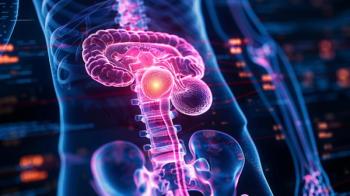
The combination of the antibody-drug conjugate and PD-1/L1 inhibitor yielded an improved progression-free survival in locally advanced or metastatic urothelial carcinoma.
The combination of the antibody-drug conjugate and PD-1/L1 inhibitor yielded an improved progression-free survival in locally advanced or metastatic urothelial carcinoma.
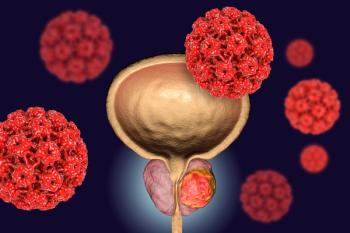
The data were presented at the 2025 ASCO Genitourinary Cancers Symposium in San Francisco, California.

The expanding role of real-world evidence in regulatory and health technology assessment (HTA) decision-making highlights its growing acceptance for supplementing clinical trial data, addressing evidence gaps, and informing treatment value, despite challenges in data quality, accessibility, and regulatory compliance.
Andrew Lin, PharmD, BCOP, discusses his pharmacist-led study examining the association between early tacrolimus levels and outcomes post-allogeneic hematopoietic cell transplantation.

The combination greatly improved progression-free survival and overall survival.

Talazoparib in combination with enzalutamide yielded significant improvements in radiographic progression-free survival and overall survival.

Diversity in clinical trials remains important to ensure research data for therapies accurately reflects the diverse patient populations who will use them globally.
Molly Schiffer, PharmD, BCOP, discusses the logistical, operational, and financial challenges of delivering cellular therapies in the outpatient setting, focusing on CAR T-cell therapy, TIL therapies, and emerging trends in non-oncology applications.

J Ryan Shaw, PharmD, BCPS, BCOP, CPP, discusses the value of the ASTCT and CIBMTR Tandem Meeting 2025 as a platform for multidisciplinary collaboration, cutting-edge education, and advancing pharmacy practice in transplant and cellular therapy.

Zahra Mahmoudjafari, PharmD, BCOP, FHOPA, discusses the logistical challenges and interprofessional strategies essential for delivering cellular therapies in outpatient settings, emphasizing the pharmacist's role in improving patient outcomes and addressing health disparities.

Molly Schiffer, PharmD, BCOP, discusses the logistical and operational challenges of delivering outpatient CAR T-cell therapy, emphasizing the benefits of outpatient treatment, including reduced costs, improved access to therapy, and better quality of life for patients.

Africa's unparalleled genetic diversity presents both a challenge and an opportunity to advance precision medicine, with a focus on leveraging pharmacogenetics to improve drug efficacy and reduce adverse reactions.

Catriona Jamieson, MD, PhD, discusses the role of stress-activated base editors like ADAR1p150 and APOBEC enzymes in cancer progression and highlights innovative approaches to halt these processes and improve therapeutic outcomes.
γδ T cells are emerging as a transformative immunotherapy approach in oncology, offering unique mechanisms for targeting hematologic and solid tumors, with clinical trials demonstrating promising survival outcomes and durable immune responses.

Edward Kim, MD, MBA, discusses critical points of patient leakage in precision medicine, emphasizing the role of multidisciplinary teams in streamlining care, managing medications, and improving patient outcomes.

Edward Kim, MD, MBA, highlights the challenges of patient disengagement, data fragmentation, and provider education in precision medicine, emphasizing the need for personalized approaches to enhance patient outcomes, particularly in oncology.

Sara Rogers, PharmD, discusses the value of the Precision Medicine World Conference 2025 for pharmacy professionals, highlighting key sessions and opportunities aimed to advance precision medicine and pharmacogenomic (PGx) practices.

Naga Vara Kishore Pillarsetty, PhD, discusses advancements in radiopharmaceuticals for cancer therapy, noting common supply chain challenges, radiation safety measures, and patient misconceptions with the use of these drugs.
Judith Alberto, MHA, RPh, BCOP, discusses the COA 2025 Community Oncology Conference, emphasizing its focus on transparency in oncology and the role of data in supporting pharmacists' contributions to patient care.
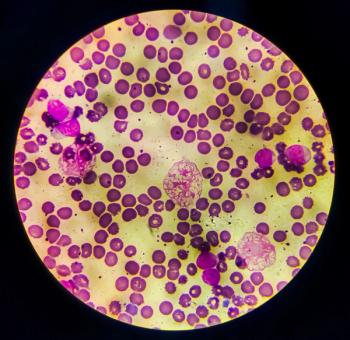
Leukemia biology may predict patterns of blinatumomab failure after initial response.
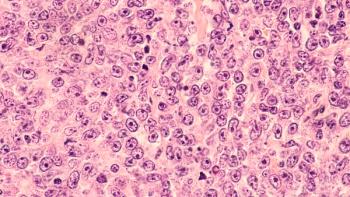
A phase 2 trial investigates MRD detection and therapy advancements.

Jennifer Clements, a clinical professor and the director of pharmacy education at the University of South Carolina, discusses the pharmacists role in diabetes care.

Experts presented results that may transform treatment and clinical practice strategies.
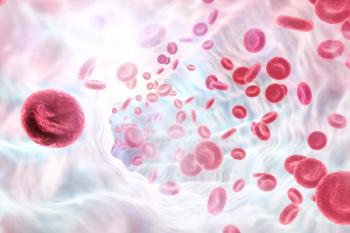
Presentations detail clinical trial results and drugs in the pipeline.

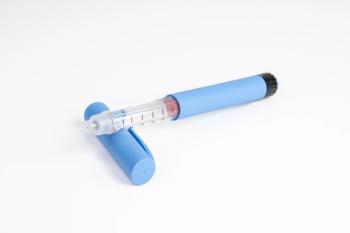
Pharmacy Times interviews Jennifer Clements, a clinical professor and the director of pharmacy education at the University of South Carolina, about glucagon-like peptide-1 receptors for diabetes treatment.
New medications like glucagon-like peptide-1 agonists and resmetirom show promise in reversing fatty liver disease and preventing progression.
Pharmacists can educate patients on controlling risk factors and stay up-to-date on emerging therapies like SGLT2 inhibitors and finerenone that can slow disease progression.
Lp(a) is a critical risk factor for atherosclerotic cardiovascular disease, but current lipid-lowering therapies are largely ineffective at lowering Lp(a) levels.
Administering first-dose antibiotics to septic shock patients via IV push rather than continuous infusion could improve the speed of antibiotic delivery and reduce logistical challenges.