
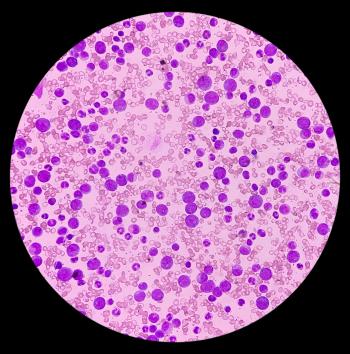
Compared with placebo, patients with relapsed/refractory (R/R) follicular lymphoma (FL) who were treated with tafasitamab showed a median progression-free survival (PFS) of 22.4 months.
Compared with placebo, patients with relapsed/refractory (R/R) follicular lymphoma (FL) who were treated with tafasitamab showed a median progression-free survival (PFS) of 22.4 months.

Ira Zackon, MD, explains where future research lies regarding the implementation of bispecific antibodies in community oncology settings.

The novel camizestrant-ribociclib combination demonstrated encouraging data in advanced, pre-treated ER+/HER2- breast cancer.

Breast cancer prevention vaccines could have significant positive societal impact by reducing cancer diagnoses.

Novel therapies and personalized treatment plans are improving outcomes for patients with ER-positive breast cancer.
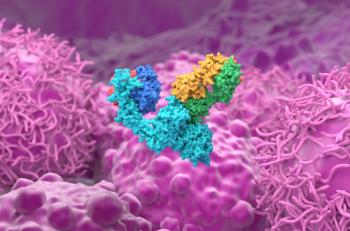
Trastuzumab deruxtecan and trastuzumab emtansine address key challenges such as recurrence and metastases in HER2+ early breast cancer treatment.
Pharmacists can help drive the successful adoption of biosimilars by developing educational programs to address provider and patient concerns.

The combination of elacestrant and abemaciclib showed promising 8.7-month progression-free survival in ER+, HER2- advanced breast cancer, including in patients with ESR1 mutations.
Pharmacists are crucial skin care experts and should counsel patients on the importance of adjunct therapies like moisturizers and sunscreen when using certain medications.

Patients with chronic graft-versus-host disease (cGVHD) were most likely to receive belumosudil in the fourth line (33.7%) setting or the fifth through seventh line (33.1%).

The assessment of tumor-infiltrating lymphocytes can provide valuable insights to guide personalized treatment decisions for breast cancer patients.

At the 2024 San Antonio Breast Cancer Symposium, experts discussed the development, clinical impact, and challenges of antibody-drug conjugates (ADCs).

Both risk-reducing mastectomy and salpingo-oophorectomy were associated with significant improvements among young BRCA carriers with breast cancer.

Assessing pre-treatment TIL levels in young breast cancer patients could help predict response to neoadjuvant chemotherapy.

Experts highlight the importance of dosing and regimen optimization in breast cancer to improve treatment tolerability, reduce toxicities, and improve quality of life for patients.
Rural patients face significant barriers to health care access and affordability that contribute to poor hypertension management.

Komal Jhaveri MD, FACP, shares that the combination of imlunestrant plus abemaciclib further improved progression-free survival compared to imlunestrant alone.
Dose rounding within an acceptable range can provide cost savings and minimize waste, but requires careful interprofessional collaboration and patient education.

According to the report, 75% of survey participants expect pharmacists to oversee these therapies and 58% expect Medicare will require pharmacist involvement.

Virginia Kaklamani, MD, DSc, shares the role of ESR1 mutation testing and combination strategies to optimize endocrine therapy in patients with metastatic HR+/HER2- breast cancer.

Experts discuss advancements in hormone receptor–positive/HER2-negative breast cancer treatment while addressing safety, diversity, and fertility challenges.
Navtemadlin has demonstrated meaningful efficacy and safety as a monotherapy or combination treatment in various preclinical and clinical trials.
Pharmacists are essential members of the patient care team, leveraging technology like automated IV compounding to standardize processes.

The progress made in areas like scope expansion and reimbursement is encouraging, suggesting a growing recognition of pharmacists’ value within the health care system.
Pharmacists play a crucial role in promoting the appropriate use of broad-spectrum antibiotics to prevent antimicrobial resistance and improve patient outcomes.

This builds off prior data that showed safety and efficacy of CD19 and CD22 chimeric antigen receptor (CAR)-T cell therapy in children with relapsed or refractory B-lineage acute lymphoblastic leukemia (B-ALL).
Sonja Zweegman, MD, PhD, explains the improvements in minimum residual disease negativity found after treatment with daratumumab and the VRd regimen in patients with newly-diagnosed multiple myeloma who are transplant-ineligible.

Luca Bertamini, MD highlights the potential clinical implications of using circulating tumor cells as a biomarker in patients with newly-diagnosed multiple myeloma.
The primary challenge facing rural pharmacies include recruitment and retention of staff, the need for pharmacists to handle multiple roles and expertise, and the impact of burnout and stress.
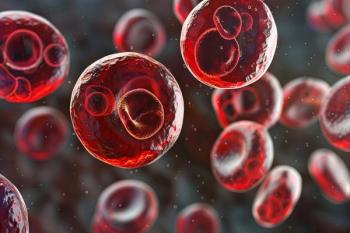
The phase 3 CEPHEUS trial demonstrated that adding daratumumab (DARA) to the VRd regimen significantly improves minimal residual disease negativity, progression-free survival, and overall response in transplant-ineligible or transplant deferred patients with newly diagnosed multiple myeloma, establishing a new standard of care.