

Outpatient models are emerging as feasible alternatives to traditional inpatient care, offering potential benefits such as reduced hospitalization, improved social well-being, and cost savings.
Outpatient models are emerging as feasible alternatives to traditional inpatient care, offering potential benefits such as reduced hospitalization, improved social well-being, and cost savings.

Clinical trial analysis results studying VAD-44 in patients with hereditary hemorrhagic telangiectasia (HTT) will be presented at the 2024 American Society of Hematology Annual Meeting & Exposition.
Christine Formea, PharmD, MHI, BCPS, FCCP, FASHP, discusses the need for standardized pharmacogenomics education in pharmacy, highlighting opportunities for collaboration, professional growth, and integration of key competencies across curricula to advance the profession.

Abelacimab is an investigational, selective, fully human monoclonal antibody.

Rachel Chandra, PharmD, MPH, FASHP, shares insight into the VALOR-QI program.

The encouraging results suggest this low-cost, scalable strategy should be considered for population-level outreach globally to improve flu vaccination rates.

Rachel Chandra, PharmD, MPH, FASHP shares methods for improving adherence to lipid lowering therapies discussed at the AHA 2024 Scientific Sessions.

Christian Ruff, MD, MPH shared the results of the AZALEA-TIMI 71 trial.

Leonard Egede, MD, MS, FACP discussed the association of historical redlining and contemporary structural racism on life expectancy.

Twice-yearly dosing could significantly improve adherence rates.

Rebekah Walker, PhD raises awareness of the long-lasting health implications caused by historic redlining.

Value-based payment models are becoming increasingly common, leading clinicians to find novel ways to engage patients and improve disease control with the goal of reducing morbidity, mortality, and cost.

Within the Veterans Health Administration System, primary care pharmacists are embedded in primary care panels and work alongside primary care physicians and nurses to optimize medication management for patients.

Improving collaboration and communication between all members of the health care team is one way to address these challenges.

Milind Desai, MD, MBA shares insight into the REMS program for patients with obstructive hypertrophic cardiomyopathy.
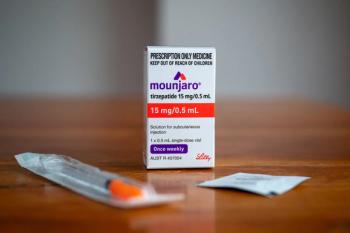
This is the first trial that tested the effect of any medication on major heart failure outcomes in patients with HFpEF and obesity, according to investigators.

High fluctuations (in the top 25%) in total cholesterol were associated with a 60% increase in dementia and a 23% increase in cognitive decline.

The system, currently in early development in Japan, could minimize the need for blood tests, blood pressure cuffs, or expensive wearable devices.

The global temperature has risen by an average of 0.11° Fahrenheit per decade since 1850, or about 2 degrees in total.

Craig Beavers, PharmD, FACC, FAHA, FCCP, BCCP, CACP will be moderating a session about social determinants of health and heart failure.

Community pharmacists are playing an increasing role in sexual and reproductive health services and can provide that trustworthy information to patients.
Blaine Groat, PharmD, discusses the evolution of US Pharmacopeia (USP)'s drug standards, highlighting new compounding guidelines, as well as USP’s commitment to pharmacogenomics and upcoming opportunities for experts to contribute to personalized medicine standards.

The sessions will include late-breaking science, clinical practice guidelines, early innovators spotlight sessions, and more.

The 2024 American Association of Colleges of Pharmacy Annual Meeting took place from July 20 to July 23, 2024, in Boston, Massachusetts.

Two clinical trials with MRD monitoring may be practice changing: TRACERx and AEGEAN.

ASCO is prioritizing the expansion of pharmacist involvement in its organization by recognizing pharmacists' contributions to safety standards, quality improvement initiatives, and certification programs.

Gut microbiome research is no longer an obscure field in cancer care.

Targeted therapies, CDK4/6 inhibitors, and precision medicine are improving outcomes for patients with high-risk and metastatic disease.

Rising cancer rates and costs pose challenges in global oncology markets amid AI and targeted therapy breakthroughs.

Experts from Moffitt Cancer Center discuss the benefit of multidisciplinary teams in lung cancer care.