





























































































A panel at the Advanced Topics for Oncology Pharmacy Professionals Summit discusses strategies to address patients’ fears and distrust of the medical and scientific community.

A panel at the Advanced Topics for Oncology Pharmacy Professionals Summit discusses strategies to address patients’ fears and distrust of the medical and scientific community.

Nivolumab-based combinations have shown significant survival benefits across several tumor types, including melanoma and advanced renal cell carcinoma.

Institutional review boards and ethics committees have seen it as their main task in the past few decades to protect children from questionable studies; however, they are faced with a new challenge with pediatric drug development.

Oncology pharmacy is best learned in real time with real oncologists and real patients.
More than half of the patients prescribed oral anticancer agents report persistent moderate-to-severe symptoms, despite receiving counseling on adverse effect management.

The microRNA member miR-204-5p inhibits apoptosis in melanoma cells treated with dacarbazine or when overexpressed.

Race, ethnicity, years after diagnosis and mental and physical stress are among factors associated with unmet supportive care needs and a higher risk of hospitalization among patients with cancer.

Memory killer cells have been shown to respond to immunotherapy, which is normally administered as a complement to other cancer treatments.

Andre Harvin, PharmD, MBA, discussed the use of immunotherapies in melanoma and broader challenges with access to oncology care in rural or underserved communities.

With immune checkpoint inhibitors in particular, patients are seeing greater results with fewer adverse effects.

For squamous cell carcinoma systemic therapy that is not concurrent with radiation therapy, preferred regimens are immune checkpoint inhibitors.

Heidi Finnes, PharmD, BCOP, FHOPA, director of clinical ambulatory pharmacy practice at Mayo Clinic, discussed updates in melanoma and the use of immunotherapies and targeted therapies.

Pharmacists can empower their community with essential knowledge for summer skin protection to protect against skin cancer.
Investigators from the Barts Cancer Institute discovered that AMP-activated protein kinase is an essential sensor for tumor dissemination.
The combination also reduced the risk of developing distant metastasis or death by 65% in patients with high-risk stage 3/4 melanoma.

Until this study, adjuvant immunotherapy was standard of care for stage 3B melanoma but not stage 2, which has relatively similar survival rates and risk of recurrence.

Pediatric drug development, which has a complex background and history, has fundamental catches based around how children are defined in the context of clinical studies.
In the initial cohort, 63% of patients with advanced melanoma achieved an objective response rate, including 6 who had a complete response and 19 who had a partial response to the combination of fianlimab and cemiplimab.

Program Chair Ryan Haumschild, PharmD, MS, MBA, discussed what attendees can look forward to at the inaugural Oncology Pharmacists Connect meeting.

The protozoan intranasal treatment was associated with a strong increase of immune cells within the lung.

Specialty pharmacists—those caring for patients with serious, sometimes life-threatening conditions such as cancer or rheumatologic disease—are not immune from the ongoing labor crisis.
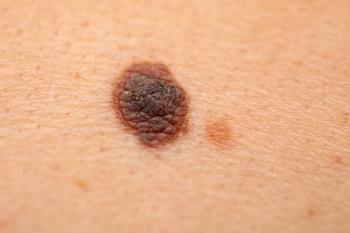
The panel corresponds to proteins that are abundant in treatment-resistant melanoma cells and may predict resistance to targeted treatment.

Study of cell exhaustion in immunotherapy-resistant tumors could significantly improve the benefits of cancer immunotherapy for patients with treatment resistant types of cancer.

Findings may offer insight into new strategies to tackle skin cancer in patients already treated with a prior line of therapy.
The treatment from Keytruda and Merck shows a clinical response of 89% for individuals with unresectable metastatic desmoplastic melanoma.