




























































































Officials with the FDA have approved atezolizumab plus cobimetinib and vemurafenib for the treatment of patients with BRAF V600 mutation-positive advanced melanoma.

Officials with the FDA have approved atezolizumab plus cobimetinib and vemurafenib for the treatment of patients with BRAF V600 mutation-positive advanced melanoma.

Pharmacy Times® spoke with Jennifer Craig, PharmD, CSP, about Skin Cancer Awareness Month and the importance of skin care.

"Approximately 40% of melanomas are considered to be ‘cold,’ meaning that they lack sufficient infiltration of immune cells within the tumor."

A randomized clinical trial offers strong evidence that a combination of 2 targeted melanoma drugs when given continuously keeps cancer from growing or spreading longer compared with intermittent treatment.

There are a variety of interventions that can be used to improve survival after a patient reports cancer toxicity following treatment.

Following a 7.5% increase in melanoma-related deaths among white Americans between 1986 and 2013, researchers have now found a nearly 18% decline over the following 3 years.

Individuals with the highest mercury levels in their blood were 79% more likely to report having had a non-melanoma skin cancer than those with the lowest levels.
With cases of melanoma increasing more rapidly than those of other malignancies (especially in men), no conference on oncology pharmacy would be complete without a session covering this topic and its expansion of treatment options.
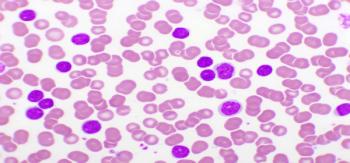
With emerging research from The Sidney Kimmel Cancer Center-Jefferson Health, outcomes in patients with uveal melanoma that has metastasized were shown to significantly improve with changes in treatment.

Advances in research and immunotherapy have led to breakthroughs regarding biologics targeting melanoma.
An effective treatment plan for squamous cell carcinoma best undertaken by a group of practitioners.

A study assessing melanoma cell variability indicates that identifying differences in cell states can be leveraged to improve patient outcomes.

Study suggests that blocking a signaling pathway that includes the inflammatory factor CXCL10-CXCR3 may prevent brain metastasis.

Research highlights the importance of reaching non-white and younger populations with skin cancer prevention messages.

A new message by the Public Access to SunScreens (PASS) Coalition—comprised of public health organizations, physician groups, sunscreen manufacturers, and citizens—emphasizes the importance of sunscreen in reducing the risk of melanoma, other skin cancers, and premature aging.1

Investigators find visuals more effective than language when prompting people to self-screen for melanoma.

With summer a month away, patients are likely to ask for advice on preventing and recognizing the disease.
Pharmacists can counsel patients on the best ways to reduce the risk of skin cancer.
Eighty-three percent of physicians excising more-than-necessary amounts of tissue on a regular basis during Mohs micrographic surgery.

The combination therapy reduced the risk of squamous cell carcinoma development on the face and scalp by approximately 75% in the study.
A simple, compact laser probe is an opportunity for early detection of melanoma, the deadliest form of skin cancer.

Skin cancer remains the most common form of cancer in the United States, with more than 65,000 cases of melanoma estimated in 2011, according to the CDC.

Azathioprine, a drug used to treat a variety of conditions, may contribute to skin cancer development.

Study identifies a potential association between azathioprine and the mutational signature found in cases of cutaneous squamous cell carcinoma.

Undertreated side effects in treatment of some colon and stomach cancers need to be addressed.