


Skin Cancer
Latest News

Advertisement
Latest Videos





Shorts

0:42
Maintaining Treatment Sequencing in Neoadjuvant Immunotherapy
6 months ago
by
Karen Knudsen, PhD, MBA(+1 more)
Podcasts



























































































Advertisement
More News

Korean and Asian manufacturers have used bemotrizinol widely in sunscreen formulations for many years.

Student pharmacists boost dermatology literacy in underserved communities, improving sunscreen habits, skin cancer warning recognition, and practical skin health self-care.
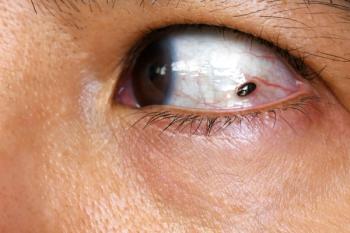
Darovasertib plus crizotinib boosts survival signals and response rates in HLA-A2–negative metastatic uveal melanoma, with manageable safety.

Lifileucel treats advanced melanoma by harvesting, expanding, and reinfusing a patient's own tumor-infiltrating immune cells.

This is the second complete response letter the manufacturer has received for this treatment regimen.
Pembrolizumab neoadjuvant immunotherapy hits approximately 70% complete responses in desmoplastic melanoma.

Long-term follow-up data showed that about 50% of patients achieved the trial's primary end point.

Cemiplimab's approval is supported by findings from the C-POST clinical trial.

Particularly during summer months, counsel patients about sunscreen recommendations and drug-induced photosensitivity prevention strategies.
The complete response letter (CRL) did not raise safety concerns, but stated the IGNYTE trial was inadequate and did not provide substantial evidence of effectiveness.
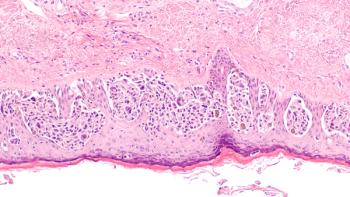
Janet Espirito, PharmD, discusses real-world outcomes from a large community oncology study showing that patients with BRAF-mutated melanoma—including those with brain metastases—experienced similar benefit from frontline immune checkpoint inhibitor (ICI) therapy.

Nivolumab plus relatlimab does not significantly improve recurrence-free survival in patients with stage 3, 4 melanoma.

A new study reveals the combination therapy enhances safety and efficacy for high-risk BRAF-mutated stage II melanoma.
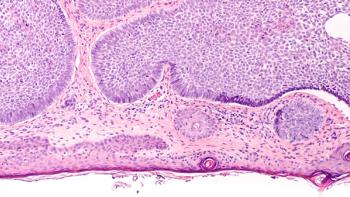
Pretrained foundation machine learning models significantly improved the accuracy of diagnosing non-melanoma skin cancer from digital pathology images and may offer a practical, resource-efficient solution for cancer diagnosis in underserved settings.

Christine Barrett, PharmD, BCOP, addressed advances in the treatment of stage III melanoma that provide the potential to improve long-term outcomes by enhancing immune response, tailoring surgical approaches, and refining patient selection strategies.
The FDA’s accelerated approval of lifileucel (Amtagvi; Iovance Biotherapeutics) marks a major milestone in immunotherapy for metastatic melanoma, building on decades of research in tumor-infiltrating lymphocyte therapy.
James P. Allison and the Discovery of CTLA-4: How Immune Checkpoint Blockade Revolutionized Oncology
Immunotherapy pioneer James P. Allison, PhD, revolutionized cancer treatment by discovering immune checkpoint blockade, leading to significant advances in survival rates and ongoing efforts to optimize immuno-oncology strategies.

Advancements in neoantigen vaccines and immunotherapy are transforming cancer treatment by leveraging genomic sequencing to overcome tumor heterogeneity and therapeutic resistance.

Building on a previously granted orphan drug designation, the latest FDA action for amezalpat puts the drug in a position for regulatory approval.
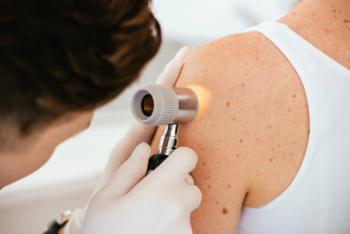
Vusolimogene oderparepvec in combination with nivolumab is being assessed to treat individuals with unresectable or metastatic stage IIIb-IV cutaneous melanoma.
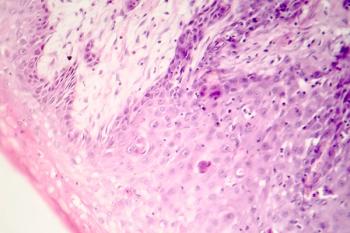
New data shows that, in high-risk patients with advanced cutaneous squamous cell carcinoma, cemiplimab reduces the risk of disease recurrence and death.

Pharmacists play a vital role in cancer prevention and early detection by educating patients on risk factors, counseling on screening guidelines, and promoting adherence to evidence-based recommendations for common cancers, such as breast, cervical, colorectal, lung, prostate, and skin cancer.

The late former president played a critical role in advancing cancer care, as well as efforts to eradicate preventable diseases.
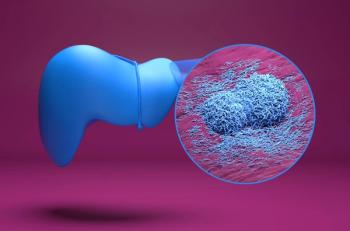
The new designation for the selective PPAR⍺ antagonist follows positive phase 1b/2 clinical trial results.
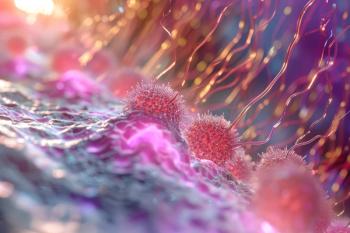
Calcipotriol in combination with 5-FU triggers Th2 immunity to prevent skin cancer.
Advertisement
Advertisement
Trending on Pharmacy Times
1
Beyond Cost Avoidance: Advancing Unit-Level Pharmaceutical Economics in Health Systems
2
Pharmacist Care Gets BP Patients to Goal Faster, Safer
3
Higher Pulmonary Microplastic Burden Observed in Patients With Lung Cancer
4
Adult Pneumococcal Immunizations: A Practical Guide for Pharmacists
5