



Skin Cancer
Latest News

February 24th 2025
James P. Allison and the Discovery of CTLA-4: How Immune Checkpoint Blockade Revolutionized Oncology
Immunotherapy pioneer James P. Allison, PhD, revolutionized cancer treatment by discovering immune checkpoint blockade, leading to significant advances in survival rates and ongoing efforts to optimize immuno-oncology strategies.
Advertisement
Latest Videos







CME Content




















































































Advertisement
More News
New data shows that, in high-risk patients with advanced cutaneous squamous cell carcinoma, cemiplimab reduces the risk of disease recurrence and death.

Pharmacists play a vital role in cancer prevention and early detection by educating patients on risk factors, counseling on screening guidelines, and promoting adherence to evidence-based recommendations for common cancers, such as breast, cervical, colorectal, lung, prostate, and skin cancer.

The late former president played a critical role in advancing cancer care, as well as efforts to eradicate preventable diseases.

The new designation for the selective PPAR⍺ antagonist follows positive phase 1b/2 clinical trial results.
Calcipotriol in combination with 5-FU triggers Th2 immunity to prevent skin cancer.
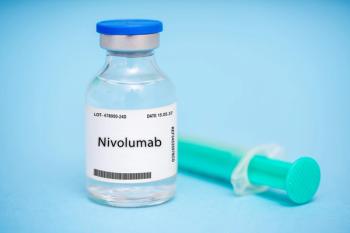
The approval offers patients with solid tumors an alternative to intravenous PD-1 inhibitor administration.

FDA Grants Fast Track Designation to IMM-1-104 for Advanced Melanoma
Published: | Updated:
Currently, the treatment is undergoing evaluation in a phase 2a trial.

Pembrolizumab is an anti-programmed death receptor 1 (PD-1) therapy designed to increase the immune system’s ability to detect and fight tumor cells.

Ten-year follow up data showed a sustained survival benefit with nivolumab-ipilimumab in advanced melanoma.

An ESMO 2024 presentation explores the growing role of the gut microbiome in immunotherapy response, emerging diagnostic tools such as PCR chips, and innovative therapies such as fecal microbiota transplantation and microbiome-preserving strategies to improve patient outcomes.

Subcutaneous administration of atezolizumab and hyaluronidase-tqjs had similar efficacy to intravenous administration.
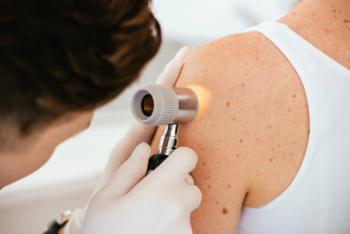
OBX-115 could offer further treatment options for individuals with advanced or metastatic melanoma by enhancing persistence, antitumor activity, and clinical safety of TIL cell therapy.
Pharmacists play a vital role in therapy selection.
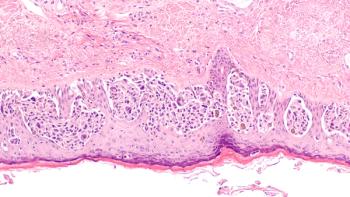
The trial is evaluating the success of BNT111 and cemiplimab in treating unresectable stage III or IV melanoma whose disease had progressed following anti-PD-(L)1-containing treatment.

Advancements in treatment include immune checkpoint inhibitors and BRAF/MEK inhibitors, though resistance remains a challenge, with lifileucel recently approved for previously treated metastatic cases.
NADINA trial results support a new standard of care for these patients.
The drug is intended to treat individuals with metastatic or locally advanced melanoma.

Heidi Finnes, PharmD, BCOP, FHOPA, discusses the evolving landscape of treatment for patients with cutaneous malignancies and melanoma.

Additionally, the high cost of the cell therapy raises concerns for broader access.

Compared with pembrolizumab alone, the combination treatment showed stronger recurrence-free survival and distant metastasis-free survival in patients with resected high-risk stage III or IV melanoma.

Although sun-protective measures have been increasing, the incidence of skin cancer has also increased, suggesting better targeted interventions and patient education are needed.

As summer approaches, remind patients to go back to basics with sunscreen and self-examinations.

It is unclear why the vaccines were less effective in women, but researchers note that the findings can be important when determining immune therapy outcomes in patients with melanoma.

Smoking 20 cigarettes per day significantly increased risk of death caused by certain types of melanomas.

This marks the first and only time that an individualized T cell therapy has been approved by the FDA for a solid tumor cancer.
Advertisement
Advertisement
Trending on Pharmacy Times
1
After 180 Years, Multiple Myeloma Gets a Definition of Cure
2
FDA Approves Belzutifan Plus Lenvatinib for Advanced Renal Cell Carcinoma After Immunotherapy
3
Severe Asthma's Effects May Extend Beyond the Lungs, Brain Imaging Study Suggests
4
FDA Approves Insulin Efsitora, Once-Weekly Basal Insulin Injection for Adults With T2D
5