






Prostate Cancer
Latest News
Advertisement
Latest Videos








Shorts


Podcasts


Advertisement
More News

The trial met both dual primary end points of pathologic complete response and metastasis-free survival.

A novel urine-based test outperformed mpMRI in detecting prostate cancer progression and may help reduce unnecessary biopsies.
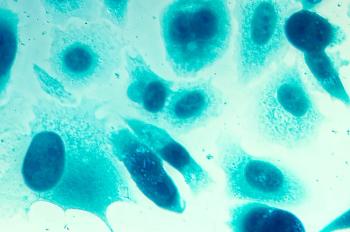
Postate cancer care shifts toward personalized, team-based management in an increasingly complex therapeutic landscape.
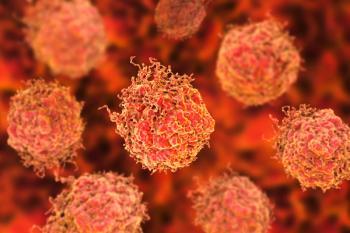
Phase 3 PATCH trial data show estrogen patches reduce hot flashes but raise gynecomastia risk.


Emerging targets are reshaping how mCRPC is treated, as showcased at the 2026 American Society of Clinical Oncology Genitourinary Cancers Symposium.
Capivasertib plus abiraterone improves survival in PTEN-deficient hormone-sensitive prostate cancer.

PEACE-3 trial data presented at ASCO GU show survival benefits with enzalutamide combination.

GDF15 can reshape prostate cancer prognosis and treatment; pharmacists track emerging biomarker panels and targeted therapies for metastatic disease.

FDA Approves Rucaparib for the Treatment of Adults With mCRPC
Published: | Updated:
The approval was supported by findings from the TRITON3 trial, which enrolled certain patients with metastatic castration-resistant prostate cancer (mCRPC).

The FDA has approved a new combination therapy for BRCA2-mutated metastatic prostate cancer, showing significant efficacy in clinical trials.

The blood test helps patients avoid unnecessary and invasive biopsies.

Long-term findings from the REASSURE study confirm Radium-223’s acceptable hematologic safety profile and reinforce the importance of early use alongside bone-protecting agents to minimize fracture risk and optimize outcomes.

Niraparib combined with standard therapy significantly improves progression-free survival in men with HRR-deficient metastatic castration-sensitive prostate cancer.
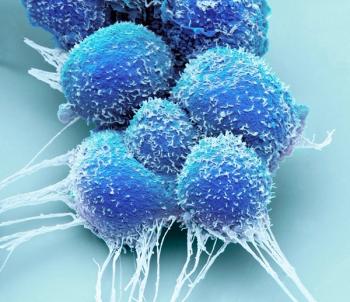
The FDA has approved a ready-to-use long-acting injectable formulation that is administered every 3 months as a treatment for advanced prostate cancer.
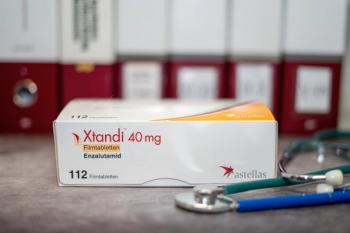
Enzalutamide combined with leuprolide significantly enhances survival in high-risk non-metastatic prostate cancer, marking a breakthrough in treatment strategies.

FDA fast-tracks TRE-515 for advanced prostate cancer, combining it with radiation therapy to enhance treatment outcomes and patient care.

Darolutamide Approved by FDA for Metastatic Castration-Sensitive Prostate Cancer
Published: | Updated:
The FDA has approved darolutamide for patients with metastatic castration-sensitive prostate cancer after positive results in the ARANOTE clinical trial.
Research reveals pioglitazone, a diabetes drug, may slow prostate cancer progression, offering new hope for patients with both conditions.

Fred Saad, MD, discussed findings from the phase 3 ARANOTE and ARASENS trials.

67Cu-SAR-bisPSMA is indicated for adult patients with prostate-specific membrane antigen (PSMA)-positive metastatic castration-resistant prostate cancer (mCRPC).

Treatment selection includes patient factors, cost, adverse effects, and drug interactions.
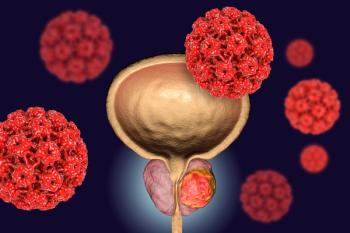
The data were presented at the 2025 ASCO Genitourinary Cancers Symposium in San Francisco, California.

Talazoparib in combination with enzalutamide yielded significant improvements in radiographic progression-free survival and overall survival.

Pharmacists play a vital role in cancer prevention and early detection by educating patients on risk factors, counseling on screening guidelines, and promoting adherence to evidence-based recommendations for common cancers, such as breast, cervical, colorectal, lung, prostate, and skin cancer.
Advertisement
Advertisement
Trending on Pharmacy Times
1
Finerenone Expands MRA Options as Pharmacists Address Underrecognized HFpEF
2
Diuretics, eGFR, and Intensive BP Lowering in CKD: What to Watch
3
Researchers Target Viral Fusion for Universal Flu, HIV Vaccines
4
Finerenone in Heart Failure: Evidence and Practice a Year Later
5