Rather than requiring a new trial, the FDA extended evidence from carcinoma in situ to high-grade papillary-only disease, a new approach for this setting.
The FDA has approved a new combination therapy for BRCA2-mutated metastatic prostate cancer, showing significant efficacy in clinical trials.
The FDA announced its approval of the combination of niraparib and abiraterone acetate (Akeega; Janssen Biotech, Inc) with prednisone for adults diagnosed with deleterious or suspected deleterious BRCA2-mutated metastatic castration-sensitive prostate cancer (mCSPC).1
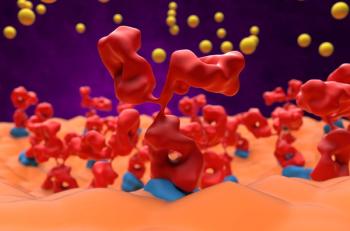
This approval focuses on prostate cancer that carries an HRR gene alteration, with efficacy primarily demonstrated in those harboring the BRCA2 mutation. Niraparib is a highly selective and potent inhibitor of PARP1/2.1
The evidence supporting the approval was primarily drawn from the randomized, double-blind AMPLITUDE trial (NCT04497844).2 This study enrolled 696 patients with HRR–mutated mCSPC, randomly assigning them 1:1 to receive either the combination of niraparib and abiraterone acetate plus prednisone (AAP) or placebo and AAP. All participants continued to receive concurrent androgen deprivation therapy.2,3
The major efficacy outcome assessed was investigator-assessed radiographic progression-free survival (rPFS), defined as the time from randomization to radiographic progression or death. Overall survival (OS) served as an additional efficacy outcome.2,3
The AMPLITUDE trial initially demonstrated a statistically significant improvement in rPFS for the niraparib and AAP combination across the overall population of patients with HRR mutations. However, an exploratory analysis strongly suggested that this benefit was overwhelmingly driven by patients with the BRCA2 mutation.1,3
In an exploratory analysis specifically looking at the 323 patients with BRCA2 mutations, the trial showed robust efficacy for the new combination therapy. For this subgroup, the HR for rPFS was about 0.46, meaning the risk of progression or death was less than half compared to the placebo arm. Although the median rPFS for the control group (BRCA2-mutated, placebo, and AAP) was 26 months, the median rPFS for the niraparib and AAP group was not estimable.1
The efficacy distinction was critical: In an exploratory analysis of 373 patients without BRCA2 mutations, the HR for rPFS was 0.88, indicating the overall efficacy improvement seen across the broader HRR mutation group was primarily attributable to the favorable results in the BRCA2-mutated cohort. Further supporting the benefit, the combination significantly improved time to symptomatic progression in the prespecified BRCA1/2 subgroup, with a favorable HR of 0.44.1
At the time of the first interim analysis for OS, data favored the combination arm in the BRCA2-mutated population, with 36 deaths (22%) occurring in the niraparib and AAP arm compared to 55 deaths (34%) in the placebo and AAP arm.1
The recommended dosage is 200 mg of niraparib and 1000 mg of abiraterone acetate taken orally once daily, in combination with 5 mg of prednisone once daily. Treatment continues until the disease progresses or unacceptable toxicity occurs.1
There are several warnings and precautions, including risks associated with hypokalemia, fluid retention, hepatotoxicity, and cardiovascular adverse reactions. The regimen also carries warnings for myelosuppression and the potential for myelodysplastic syndrome/acute myeloid leukemia. Grade 3/4 adverse events (AEs) were reported in 75.2% of patients receiving the combination, compared to 58.9% in the control arm. The most common severe AEs were anemia (29.1% vs 4.6% in the control arm) and hypertension (26.5% vs 18.4% in the control arm).1
The application was granted priority review by the FDA, signifying its importance in treating a serious condition.