































































































Combination treatment with ibrutinib found to increase median progression-free survival by 2.3 years compared to the placebo.
Combination treatment with ibrutinib found to increase median progression-free survival by 2.3 years compared to the placebo.

This study highlights one benefit of the integrated health system specialty pharmacy model for patients who are prescribed acalabrutinib.

Management of marginal zone lymphoma was impacted by the COVID-19 pandemic because some treatment options can reduce B-cell-produced antibodies.
NVG-111 is a humanized, tandem single-chain variable fragment ROR1 x CD3 BiTE being evaluated in relapsed/refractory chronic lymphocytic leukemia and mantle cell lymphoma.

The biosimilar is expected to be launched as a prefilled syringe in early 2023.

Test can evaluate whether a patient with lymphoma will respond to CAR T-cell therapy, which could lead to better and longer lasting treatment options.

Pemigatinib is the first targeted therapy to gain FDA approval for the treatment of adult patients with relapsed or refractory myeloid/lymphoid neoplasms with FGFR1 rearrangement.

Risk factors associated with declining health-related quality of life for adult survivors of childhood cancer, such as physical inactivity and chronic health conditions, should be targets of surveillance and intervention.

Ibrutinib (Imbruvica) is the first therapy to gain FDA approval for younger patients who had no prior treatment options for chronic graft-versus-host disease.
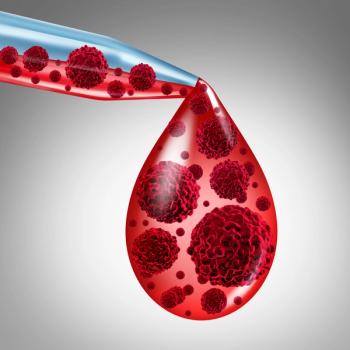
The treatment regimen is first in more than 20 years to significantly improve outcomes in individuals with the fast-growing cancer, according to the company.

Researchers suggest that immune checkpoint inhibitors significantly preserve the quality of life in patients with cancer.
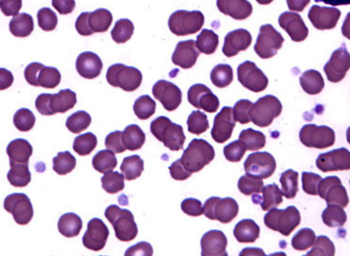
For pediatric patients with B-cell acute lymphoblastic leukemia, higher doses of tisagenlecleucel increased their rate of survival after 1 year by nearly 30%.
Both ibrutinib (Imbruvica) and venetoclax (Venclexta) carry an approved indication for use in chronic lymphocytic leukemia but do not often lead to complete remission, and therapy routinely continues indefinitely or until disease progression.
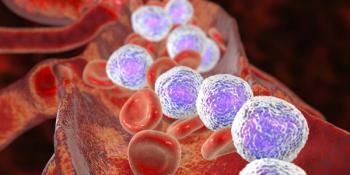
The company-sponsored phase 1/2 study evaluates a cryopreserved, readily available formulation for the treatment of follicular and diffuse large B cell lymphomas.

Electronic symptom self-measuring provided early detection of toxic effects and helped anticipate necessary medical interventions for pediatric patients with cancer.

Case management programs or pharmacist-delivered high-touch care are critical components in medical specialty drug management.
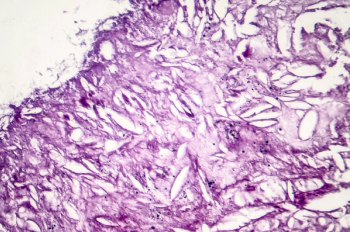
Pirtobrutinib is under investigation in clinical trials in patients with CLL/small lymphocytic lymphoma, mantle cell lymphoma, and non-Hodgkin lymphoma.
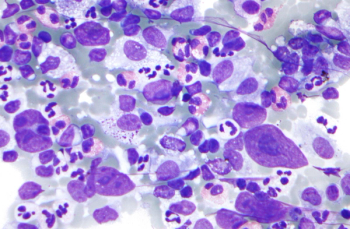
Progression-free survival was longer with brentuximab vedotin and fewer patients with Hodgkin lymphoma in this group received subsequent therapy.

Pursuing the expanded access process for treatment may be the best option for patients who have exhausted all available FDA-approved drugs and clinical trials.
Autologous stem cell transplantation was underutilized in community settings for mantle cell lymphoma.
Clinical trial results show durable responses with mosunetuzumab in advanced follicular lymphoma.

This month, we reviewed key topics and interviews from the American Society of Clinical Oncology 2022 Annual Meeting.
Lisocabtagene maraleucel (liso-cel, Breyanzi; Bristol Myers Squibb) approved for the second-line treatment of patients with large B-cell lymphoma (LBCL), including diffuse large B-cell lymphoma not otherwise specified, high-grade B-cell lymphoma, primary mediastinal LBCL, and follicular lymphoma grade 3B.

The step-up dosing approach with glofitamab in a phase 1 trial enabled researchers to minimize cytokine release syndrome while maximizing outcomes.
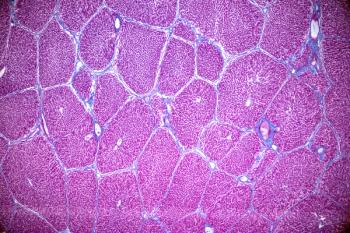
JZP458, a recombinant Erwinia-derived ASNase from a Pseudomonas fluorescens expression platform, was previously approved by the FDA for patients with ALL/LBL who had developed hypersensitivity to Escherichia coli (E. coli)–derived ASNase.