





Immuno-oncology
Latest News
Advertisement
Latest Videos





































































































Advertisement
More News
Most patients had improved clinical response within 90 days of receiving the dendritic cell vaccine and ASCT.

Nivolumab has also demonstrated efficacy in immunotherapy-based combinations for the treatment of certain types of melanoma and bladder cancers.
Axicabtagene Ciloleucel Demonstrates High Response Rate in Relapsed/Refractory Large B-cell Lymphoma
Axicabtagene ciloleucel achieved a complete metabolic response of 71% at 3 months versus 12% expected with standard of care among transplant ineligible patients with relapsed/refractory large B-cell lymphoma.

Microbubble cell separation can make next generation treatments, such as CAR T-cell therapy, more accessible.
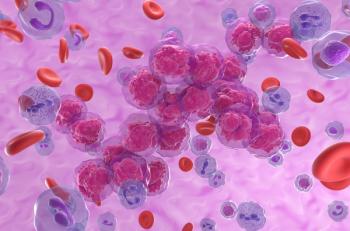
The use of base editing to generate universal, off-the-shelf CAR T cells is a promising approach for relapsed leukemia, with potential implications for the future of gene therapy.

Precision medicine in pharmacy has the potential to revolutionize patient care by optimizing drug selection, dosing, and monitoring.

Protection of T cells from tumor-induced suppression suggests potential for enhancing efficacy of therapies, with plans to initiate a phase 1/2 clinical trial in patients with advanced breast cancer.
Opportunities for an additional specialization in molecular pathology may be helpful to train professionals in the real-time interpretation of gene therapy test results.

New data have resulted in updated guidelines for neoadjuvant cemiplimab.

FDA Approves New Combination Therapy for BRCA-Positive Metastatic Castration-Resistant Prostate Cancer
ByPT Staff
Niraparib and abiraterone acetate (Akeega; Janssen Pharmaceutical Companies of Johnson & Johnson) is the first-and-only dual action tablet that combines a PARP inhibitor with abiraterone acetate administered with prednisone.
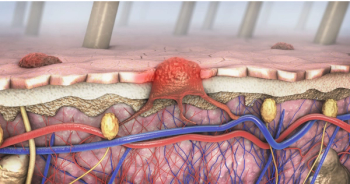
Precision therapies, although effective in earlier stages, may not work later.

Microgravity provides researchers with a unique environment for studying how cells behave differently than they do on Earth.
FDA Grants Accelerated Approval to Talquetamab-tgvs for Patients With Heavily Pretreated Multiple Myeloma
ByPT Staff
Talquetamab-tgvs (Talvey) is a first-in-class bispecific antibody that binds to GPRC5D and CD3 to induce T cell-mediated killing of GPRC5D-expressing multiple myeloma cells.

Early safety studies of NK-cell infusion have demonstrated the potential of NK-cell infusion, showing it may be the next revolution in cancer treatment.
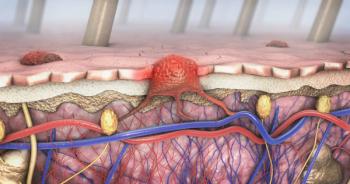
Pembrolizumab is already indicated to treat patients with unresectable or metastatic melanoma, along with stage 2B-3 melanoma after resection in adults and pediatric patients.
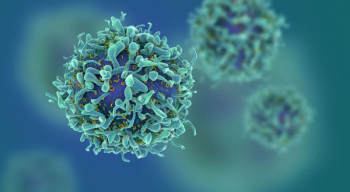
FRα expression is limited on normal cells, but upregulated in ovarian cancer cells.

With approximately 2 years of additional follow-up, lenvatinib plus pembrolizumab maintained robust effectiveness for nearly every patient.

Nivolumab-based combinations have shown significant survival benefits across several tumor types, including melanoma and advanced renal cell carcinoma.
Memory killer cells have been shown to respond to immunotherapy, which is normally administered as a complement to other cancer treatments.

Treatment with lisocabtagene maraleucel led to strong and durable response rates with little serious adverse effects in patients with relapsed or refractory follicular lymphoma and mantle cell lymphoma.
Approximately 50% of patients with refractory or relapsed disease achieved complete response following treatment with the Janus kinase 1 (JAK1) inhibitor.
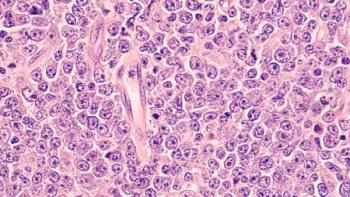
A single dose of axicabtagene ciloleucel in patients with large B-cell lymphoma led to significantly higher overall survival and progression-free survival rates, as well as improvements in quality of life and faster recovery in comparison to standard care therapy.

A plethora of targeted therapies, biomarker-driven therapies, and immunotherapies are now available.
FDA Grants Accelerated Approval to Glofitamab-gxbm for Relapsed/Refractory Diffuse Large B-Cell Lymphoma
ByPT Staff
Glofitamab targets CD3, a protein found on the surface of immune T cells in patients with relapsed or refractory diffuse large B-cell lymphoma, and CD20, a healthy or malignant protein that lines the surfaces of B cells.

Earlier in June, Govindan led an educational session about genomic testing at the 2023 American Society of Clinical Oncology (ASCO) Annual Meeting in Chicago, Illinois.
Advertisement
Advertisement
Trending on Pharmacy Times
1
The Side Door We Could Close: A Pharmacy Perspective on Menopause, Access, and the Leadership Pipeline
2
FDA Approves mFlusiva, the First mRNA-Based Influenza Vaccine
3
CVS Health Expands GLP-1 Access With $29 Visits, Lilly Deal
4
Study Reveals a Widening Gap Between Buprenorphine Prescribing and Dispensing
5