
































































































Ventana PD-L1 (SP263) Assay can increase access to cemiplimab and improve patient outcomes in non-small cell lung cancer.
Ventana PD-L1 (SP263) Assay can increase access to cemiplimab and improve patient outcomes in non-small cell lung cancer.

Atrial fibrillation and atherosclerotic cardiovascular disease are frequent challenges among patients with cancer.
At 36 months, the overall survival rate of patients with relapsed/refractory B-cell acute lymphoblastic leukemia administered brexucabtagene autoleucel was 47.1%, with a median overall survival of 26 months.

Therapy consists of high-dose abatacept, ruxolitinib, and proactive monitoring for respiratory muscle involvement.
Idecabtagene vicleucel prolonged progression-free survival by more than 1 year in a difficult-to-treat patient population with relapsed or refractory multiple myeloma.

Investigators hope that new findings can cultivate new methods of facilitating immune response to attack lung tumors.
Approval of a novel antibody-drug conjugate ushers in new second-line option.
The trial is the first randomized phase 3 study evaluating the efficacy and safety of ciltacabtagene autoleucel patients with relapsed and lenalidomide-refractory multiple myeloma.
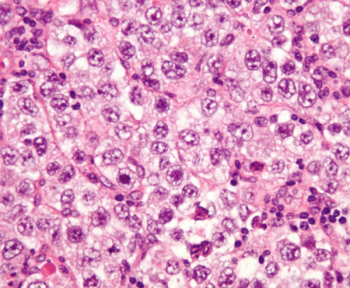
Lisocabtagene maraleucel is a CD19-directed CAR T-cell therapy with a 4-1BB costimulatory domain, which enhances the expansion and persistence of the CAR T cells.
New UC Davis study finds relationship between tumor microbiome and immune system in patients with soft tissue sarcoma.
Patients who received first-line ICI showed a significant improvement in progression-free survival (PFS) and overall survival (OS) compared to chemotherapy treatment.
Pembrolizumab approved as adjuvant treatment following surgical resection and platinum-based chemotherapy for patients with stage IB, II, or IIIA non-small cell lung cancer.
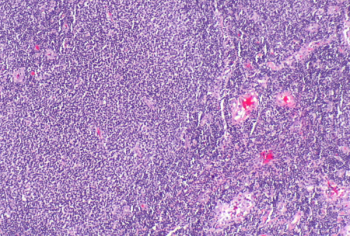
At leukapheresis, a low frequency of differentiated CD3+CD27-CD28--T cells can indicate favorable response to CAR T-cell therapy.

Pipeline includes more than 100 products encompassing bone health, cancer care, immunosuppressants, ophthalmology.

CAR T cell gel eliminated the residual tumor cells in almost all mouse models, allowing the mice to survive when they otherwise would have succumbed to tumor recurrence.
A retrospective analysis presents unique results for AML treatment.
The head of the CAR T cell antibody can recognize and target the growth factor in its tumor microenvironment.

Viral infections can plague patients who have undergone stem cell transplantation.

Big pharma companies have become more measured in their risk taking, with mergers and acquisitions gradually giving way to joint ventures and partnerships.
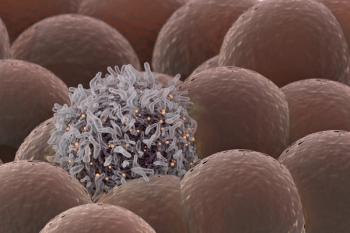
The dual-action cell therapy is designed to eliminate established tumors, train the immune system to eradicate a primary tumor, and prevent recurrence.

The phase 2 GO29781 study showed that 80% of patients who had received at least 2 prior therapies achieved durable response rates with mosunetuzumab-axgb treatment.

An anti-cancer vaccine that is now in clinical trials shows promise as a preventative agent. However, experts are unsure when it will be widely available.
The FDA granted Priority Review to both applications and set a Prescription Drug User Fee Act goal date for each application of April 21, 2023.

Specific immune checkpoint inhibitors added to frontline chemotherapy have transformed modern clinical practice.
Following the positive phase 3 results, GSK anticipates regulatory submissions in the first half of 2023.