































































































Expert suggests that mirvetuximab soravtansine-gynx, which received accelerated approval in the platinum-resistant ovarian cancer setting in 2022, is the most promising agent in more than a decade that targets folate receptor alpha.
Expert suggests that mirvetuximab soravtansine-gynx, which received accelerated approval in the platinum-resistant ovarian cancer setting in 2022, is the most promising agent in more than a decade that targets folate receptor alpha.

Expert said these striking results, coupled with benefits across all subgroups and potential overall survival, suggests efficacy for adults with early-stage non-small cell lung cancer.
Expert discusses the long wait for an effective therapeutic option for persistent, recurrent, or metastatic cervical cancer and the potential widespread benefits of antibody drug conjugates like pembrolizumab.
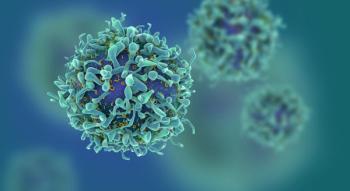
FR alpha expression is limited on normal cells, but upregulated on cancers such as ovarian, endometrial, and triple-negative breast cancers.

Identifying alterations in tumor genes has enabled medical oncologists to guide patients towards more specific therapies.
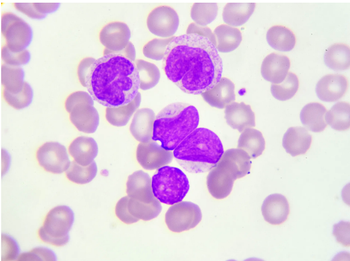
Expert said that manufacturing the T cells with a tyrosine kinase inhibitor may allow more patients to get allogeneic stem cell transplant, the current best means of long-term cure.

Fecal microbiota transplant from responders to non-responders was able to rescue immune checkpoint inhibition use in patients with melanoma, with 40% of patients showing clinical benefit.

High tumor fraction after induction chemotherapy identifies a population with an unmet need who has low chances to benefit from immune checkpoint blockades.
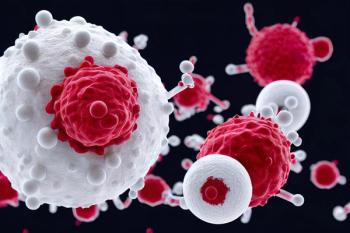
Obe-cel is an investigational CD19 CAR T-cell therapy currently in clinical trials for relapsed/refractory B-cell acute lymphoblastic leukemia and B-cell non-Hodgkin lymphoma.

Study shows 18.4% of patients with relapsed or refractory chronic lymphocytic leukemia treated with lisocabtagene maraleucel achieved a complete response (CR), with median duration of CR not reached at median follow-up of 21.1 months.
Treatment with epcoritamab-bysp showed a 61% overall response rate and a 38% complete response rate in heavily pretreated patients with R/R DLBCL.

Study of cell exhaustion in immunotherapy-resistant tumors could significantly improve the benefits of cancer immunotherapy for patients with treatment resistant types of cancer.

US Preventive Services Task Force also called for more research into how to address screening and treatment disparities faced by racial and ethnic minorities.

Findings may offer insight into new strategies to tackle skin cancer in patients already treated with a prior line of therapy.

Up to 80% of patients with hepatocellular carcinoma will experience disease recurrence.
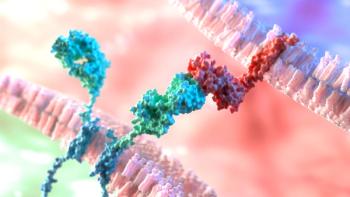
Six weeks after infusion of GD2-CART01, 9 of 27 patients (33%) with relapsed or refractory high-risk neuroblastoma had a complete response or maintained a complete response.

Although payers have become somewhat accustomed to the high cost of specialty drugs, the price tags for gene therapies are causing “sticker shock.”

According to 5-year follow-up data, the combination of tafasitamab-cxix and lenalidomide produced a durable response in patients with diffuse large B-cell lymphoma.

These study results are the first to demonstrate randomized evidence that a personalized neoantigen approach could be beneficial for patients with cancer.

Taken together, the studies point to meaningful changes in the standard of care for patients with advanced or recurrent endometrial cancer.

The application is based on the PHAROS trial, which met its primary endpoint of objective response rate in patients with metastatic non–small cell lung cancer with a BRAF V600E mutation.

Pharmacists have an important role in helping patients to identify treatment-related toxicities and manage symptoms to help the transition to the outpatient setting.
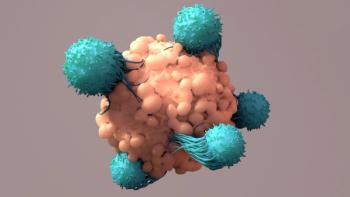
Expert notes significant advances in the treatment of multiple myeloma, large B cell lymphomas, and acute myeloid leukemia, during a presentation at HOPA 2023 Annual Conference.

Axicabtagene ciloleucel demonstrated a 2.5-fold increase in individuals with relapsed/refractory large B-cell lymphoma who were alive at 2 years and did not experience either cancer progression or require the need for additional cancer treatment.
Since 2014, 10 immunotherapies have been approved by the FDA, including 6 CAR T-cell therapies and 4 BiTE therapies.