



























































































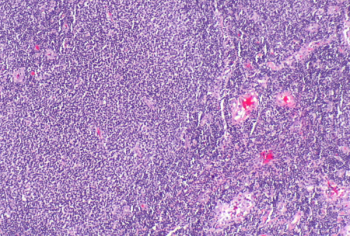
The allogeneic CAR-T cell therapy is in development for relapsed or refractory large B cell lymphoma and relapsed or refractory B cell non-Hodgkin lymphoma.
The allogeneic CAR-T cell therapy is in development for relapsed or refractory large B cell lymphoma and relapsed or refractory B cell non-Hodgkin lymphoma.
DeepTCR system showed efficacy as a predictive clinical tool and provided information on the biological mechanisms that underlie how patients respond to immunotherapy.

Mirvetuximab soravtansine-gynx (Elahere; ImmunoGen Inc) approved FRα-positive, platinum-resistant epithelial ovarian, fallopian tube, or primary peritoneal cancer.
GDA-501, a novel, genetically modified, nicotinamide natural killer pre-clinical cell therapy.
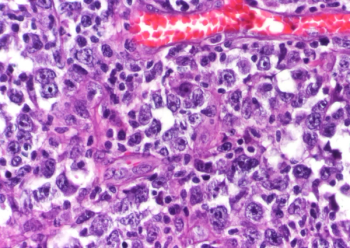
Study shows combining brentuximab vedotin with the standard chemotherapy regimen reduced the risk of relapse in children with high-risk Hodgkin lymphoma by 10%.
In the inpatient acute care setting, oncology pharmacists maximize return on investments of oncology products, produce optimal outcomes, and ensure that quality of care is consistent and safe.

CAR T cells may have the ability to be engineered and remain consistently functional, leading to more effective cancer treatment.

A researcher suggests that novel immune modulating cancer therapies like cancer vaccines can be more effective and safer alternative to previous cancer immunotherapies.

Jeremy Graff, chief scientific officer at IMV, discusses why the development of viable cancer vaccines is a bit more slow-going in comparison to the fast-paced development of COVID-19 vaccines during the pandemic.
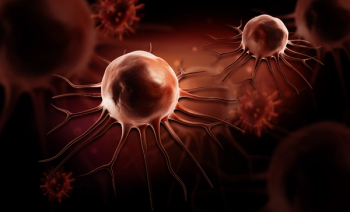
A researcher suggests that understanding specific cell function in the tumor microenvironment can help create effective and individualized immunotherapy cancer treatments.
Researchers identified a new immunotherapeutic target that may be effectively treated with CAR T-cell therapy in patients with pretreated multiple myeloma.
Yvonne Chen, PhD, discusses some of the strategies that researchers are using to improve T-cell effectiveness and overcome immunosuppression in CAR T-cell therapy.
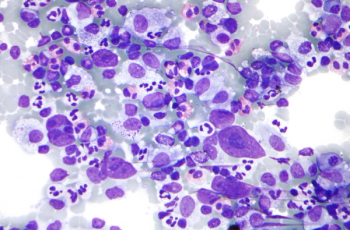
Currently available agents may reduce the need for stem cell transplantation in patients with acute lymphocytic leukemia.
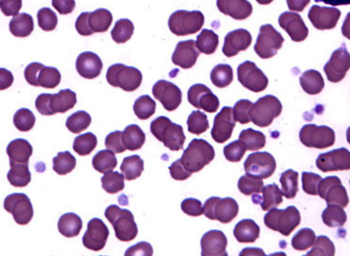
Relapses remain a challenge in treating patients with leukemia.

An integrative efficacy score would incorporate the depth, duration, and prevalence of tumor response.

New research in immunotherapy is exploring vaccines to treat cancer, whether preventative or reactive against current tumors.
Given that dendritic cells are necessary for anti-tumor response, researchers investigated which pathways stop these cells from performing their full functions.

Yvonne Chen, PhD, discusses her research to engineer more safe and effective next-generation CAR-T therapy for cancer immunotherapy.
Expert discusses whether epigenetic programs regulate human T cell exhaustion and whether epigenetic-based strategies can be used to enhance T cell-based therapies.
New research has shown significant promise for the use of CAR T-cell therapies in solid tumors.

Results from the TOPAZ-1 phase 3 trial showed that the combination reduced risk of death by 20% versus chemotherapy alone.

New study shows that race does not influence outcomes from immunotherapy for aggressive triple-negative breast cancer.

IMscin001 analysis shows non-inferior levels of the cancer immunotherapy in the blood compared with intravenous infusion in individuals with advanced non–small cell lung cancer.

Studies suggest novel immunotherapy may have efficacy as monotherapy and in combination with an anti-PD-1 immune checkpoint inhibitor.

Metformin has been shown to decrease pro-inflammatory cytokines that appear to improve the immune response to tumor cells and improve the efficacy of immunotherapy.