





Hematology
Latest News
Advertisement
Latest Videos





CME Content



























































































Advertisement
More News
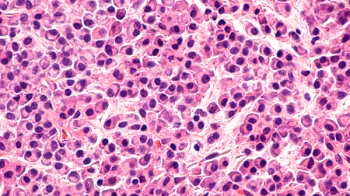
Study data demonstrate large step forward for this patient population

A retrospective analysis presents unique results for AML treatment.

The mean annualized bleed rate was reduced by 80% from baseline and Factor VIII usage was reduced by 94% in year 3 compared to baseline.

Developments may soon impact clinical practice in hematology and oncology.
Study meets primary and key secondary endpoints, showing clinically meaningful and statistically significant improvements.
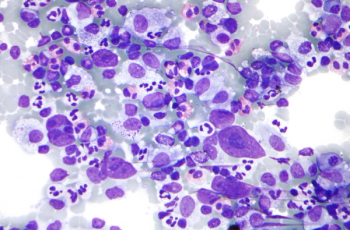
A better understanding of the pathogenesis of monoclonal gammopathy of clinical significance would help guide clinicians treating the complex condition.

Although pharmacists possess a wealth of knowledge on AEs, it remains a monumental task to recall the clinical significance of every AE, even with the most commonly used medications.
The FDA granted fidanacogene elaparvovec breakthrough, regenerative medicines advance therapy, and orphan drug designations.

In this special January issue covering ASH and SABCS, we have divided the publication by conference.

Results show possible impact of using Janssen Pharmaceuticals’ ibrutinib in the front-line setting, providing additional data on chronic lymphocytic leukemia therapies.

Targeted therapies have greatly improved patient outcomes over the past 20 years.

Ponatinib could be the first targeted treatment approved in the United States for Philadelphia chromosome-positive acute lymphoblastic leukemia.

Richard T. Maziarz, MD, and a team of investigators assessed average medical costs of allo-HCT throughout a patient’s lifetime and the net monetary savings and value associated with reducing complications.

The FDA clinical reviewer responsible for the approval of this combination therapy discusses the data that led to the approval in May 2022.
Phase 1 clinical trial data show the drug to be active with evidence of clinically meaningful responses and a manageable safety profile.
Although patients with Richter syndrome often experience poor outcomes, there are many new treatment strategies that have demonstrated a durable response.

Expert discusses the effect of baseline transfusion burden and luspatercept dose level on response to treatment in patients with LR-MDS from the MEDALIST study.

Expert discusses the results of a trial assessing immune reconstitution in adult patients who received Orca-T, consisting of hematopoietic stem/progenitor cells, regulatory T cells, and conventional T cells.

Expert discusses the safety and efficacy of polatuzumab vedotin combined with rituximab, ifosfamide, carboplatin, and etoposide (R-ICE) as second-line treatment in a multicenter phase 2 study.
Expert discusses analysis of phase 3 MEDALIST trial data aimed to assess the probability of greater overall survival and progression-free survival benefit from luspatercept vs placebo.

Low socioeconomic status was associated with greater in-hospital mortality and decreased use of advanced therapeutic options.
In recent decades, clinical trials have grown increasingly restrictive and exclusive, which has impacted the inclusivity and diversity of selected trial participants.
At 3 and 6 months, rivaroxaban was found to be as effective and safe as apixaban in the composite outcome of recurrent venous thromboembolism or bleeding-related hospitalization.

Pharmacy Times will be covering the 64th American Society of Hematology (ASH) Annual Meeting and Exposition, which gathers pharmacy professionals working in malignant and classical hematology in New Orleans, Louisiana.

Based on the ALIFE 2 trial results, the investigators do not advise the routine use of low-molecular-weight heparin in women with recurrent pregnancy loss and confirmed inherited thrombophilia.
Advertisement
Advertisement
Trending on Pharmacy Times
1
FDA Approves Tavapadon, First D1/D5 Agonist for Parkinson Disease
2
CagriSema Tops Tirzepatide 5 mg for Weight Loss in REIMAGINE 5
3
CKD Prevalence Unmoved Despite Billions in Virtual Care
4
Why 5 Injectable Drugs Have Been in Shortage for More Than a Decade
5