





Hematology
Latest News
Advertisement
Latest Videos





CME Content

























































































Advertisement
More News

When a patient is engaged in the home by a team that includes a pharmacist resource, social determinants of health issues become more clear and the care team can help close the gaps.

Diagnostic technologies are advancing quickly, which may lead to therapeutics for age-related diseases to safely reduce chronic low-grade inflammation generated by the immune system.
Valoctocogene roxaparvovec-rvox (Roctavian; BioMarin) is a one-time gene therapy product administered as a single dose by intravenous infusion for hemophilia A.
Researchers noted that the therapy remains risky, owing to the substantial immunosuppressive and cytopenic effects of the trial protocol and the risks that immune-cell manipulation carries.
The recommended addition is based on a uniform consensus that the therapy is an appropriate treatment for this difficult-to-treat disease.
Trial results demonstrated that 58.5% of individuals receiving luspatercept-aamt (Reblozyl; Bristol Myers Squibb) achieved the primary endpoint of red blood cell transfusion independence of at least 12 weeks.

In-person visits to receive oral therapy, outpatient infusions, and inpatient infusion for the treatment of hematologic neoplasms declined in the early months of the COVID-19 pandemic, while telemedicine use increased slightly in the same period but remained low overall.
Achieving MRD flow cytometry negativity is crucial in monitoring and predicting survival outcomes.
A single infusion of ciltacabtagene autoleucel produced a lower risk of death and disease progression, as well as deep and durable responses, in heavily pretreated patients with relapsed/refractory multiple myeloma.
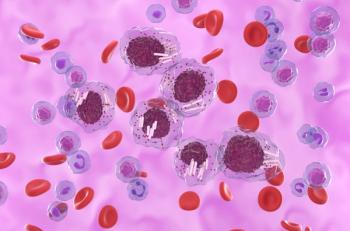
Long-term data show that venetoclax combinations benefit progression free survival and overall survival in patients with or without previous treatment for chronic lymphocytic leukemia.

Study highlights the importance of interprofessional decision-making between pharmacists and emergency department medical officers.

Findings highlight the potential efficacy of combining 2 novel bispecific therapies, teclistamab-cqyv and talquetamab, which target distinct antigens on myeloma cells.
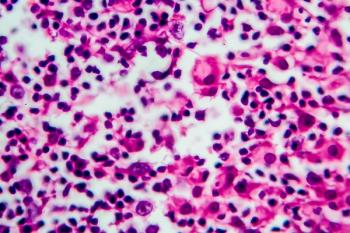
The phase 3 S1826 trial is the largest Hodgkin lymphoma study in NCTN history.
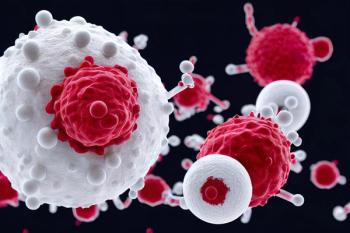
Obe-cel Shows Promise in Treatment of Relapsed/Refractory B-cell Acute Lymphoblastic Leukemia
ByPT Staff
Obe-cel is an investigational CD19 CAR T-cell therapy currently in clinical trials for relapsed/refractory B-cell acute lymphoblastic leukemia and B-cell non-Hodgkin lymphoma.

Study shows 18.4% of patients with relapsed or refractory chronic lymphocytic leukemia treated with lisocabtagene maraleucel achieved a complete response (CR), with median duration of CR not reached at median follow-up of 21.1 months.
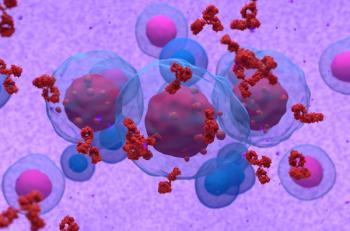
Multiple myeloma treatment selection is critical due to the potential for developing treatment resistance over time to the currently prescribed drugs.
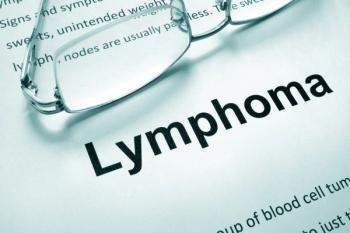
Treatment with epcoritamab-bysp showed a 61% overall response rate and a 38% complete response rate in heavily pretreated patients with R/R DLBCL.
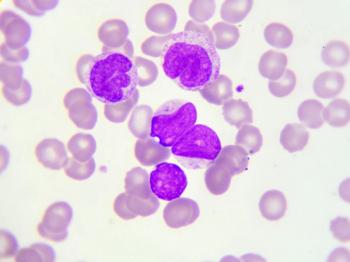
Lili Wang, MD, PhD, discusses her research investigating how METTL3 regulates RNA splicing dysregulation and contributes to CLL growth.

The treatment showed significant improvement in patients in patients who require frequent blood transfusions and are at risk of infection.
The APPOINT-PNH study showed that twice-daily LNP023 (Iptacopan) helped patients with paroxysmal nocturnal hemoglobinuria control intravascular hemolysis.

Study Finds Strong Disconnect Regarding Use of Anticoagulation Medication Between Physician, Patient
Less than 20% of physicians were open to starting a patient with nonvalvular atrial fibrillation on an anticoagulant after conducting a clinical review of the patient’s care.

The median change from baseline at week 24 in the 6-minute walk distance was 34.4 m in the sotatercept group and 1 m in the placebo group among patients with pulmonary arterial hypertension.

This type of stretching allows for faster tissue oxygenation after the workout and protects from exercise stress.

In a phase 3 trial, the risk of disease progression, relapse, or death was reduced by 27% with polatuzumab vedotin-piiq plus R-CHP compared with R-CHOP in adults with previously untreated diffuse large B-cell lymphoma or high-grade B-cell lymphoma.
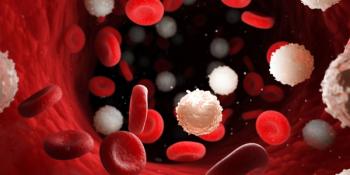
Omidubicel-onlv therapy aims to quicken the recovery of neutrophils and reduce the risk of infection in patients with cancer.
Advertisement
Advertisement
Trending on Pharmacy Times
1
FDA Approves Tavapadon, First D1/D5 Agonist for Parkinson Disease
2
Ramantamig's 93.6% ORR and Outpatient CRS Control
3
Influenza Vaccines Continue to Reduce Severe Disease and Death Across High-Risk Groups, Evidence Review Finds
4
CagriSema Tops Tirzepatide 5 mg for Weight Loss in REIMAGINE 5
5