

Median disease-free survival was nearly twice as long among patients with urothelial carcinoma who received nivolumab compared with placebo.
Median disease-free survival was nearly twice as long among patients with urothelial carcinoma who received nivolumab compared with placebo.

Kristin Ferguson, DNP, RN, OCN, outlined 4 principles for the reimbursement of oncology drugs, diagnostics, and biomarker testing that were recently released by the Association of Community Cancer Centers.
STRO-002 is a folate receptor alpha-targeting antibody drug conjugate for the treatment of patients with platinum-resistant epithelial ovarian, fallopian tube, or primary peritoneal cancer who have received 1 to 3 prior lines of systemic therapy.

The agents that have been evaluated and approved, and those that are coming in the pipeline, make for an exciting time to consider directed therapies.

As health care costs rise and cost-sharing increases, treatment-associated expenses will continue to burden patients.

A proactive approach can ensure that the patient is getting the right therapy at the right time and the right treatment plan with the least amount of waste.
The continued approval for this indication may be subject upon verification and description of clinical benefit in a confirmatory trial.

Approved by the FDA on June 29, 2020, the pertuzumab, trastuzumab, and hyaluronidase-zzxf combination therapy with chemotherapy offers several advantages to the standard treatment of pertuzumab plus trastuzumab with chemotherapy for breast cancers with HER2 overexpression.

These findings could lead to improved therapies and prolonged survival for patients with metastatic TNBC, according to the study authors.

English discussed the challenges and highlights of her time in the trial, in addition to what she feels health care professionals should learn from her own treatment experience.

Atrial fibrillation, bleeding, infection, and other adverse events may occur with this therapy.
The FDA has granted orphan drug designation to CFT7455 for the treatment of multiple myeloma, according to a press release from manufacturer C4 Therapeutics.
The designation highlights the need for new treatment options for patients with platinum-resistant ovarian cancer and the significant treatment potential of IN10018, according to a press release from InxMed, the manufacturer of the novel drug.
The approval marks the first HIF-2α inhibitor therapy approved in the United States for some types of Von Hippel-Lindau disease-associated tumors.
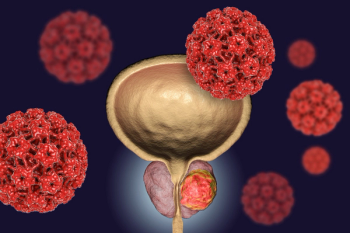
Approval sought for oportuzumab monatox-qqrs (Vicinium) for the treatment of BCG-unresponsive non-muscle invasive bladder cancer (NMIBC), which was previously granted priority review by the FDA.

The pandemic taught the pharmacy to provide a deeper level of personalized care and communication than in the past.
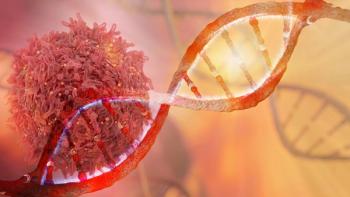
Julie Bullock, VP, global head of clinical pharmacology and translational medicine at Certara, discusses the FDA’s new guidance Project Optimus, which addresses issues relating to dose optimization in clinical trials assessing oncology drugs.
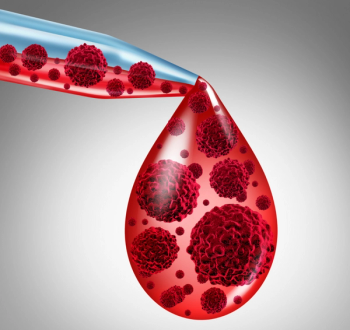
Daratumumab and hyaluronidase-fihj (Darzalex Faspro, Janssen) was approved in July in combination with pomalidomide and dexamethasone for the treatment of patients with multiple myeloma following their first or subsequent relapse.
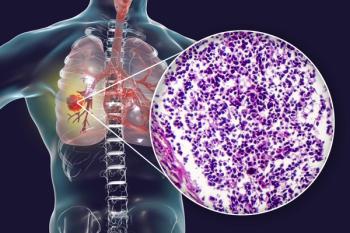
New treatments show promise for patients with KRAS G12C–mutated disease.

The FDA approved pembrolizumab plus lenvatinib for the first-line treatment of adult patients with advanced RCC.
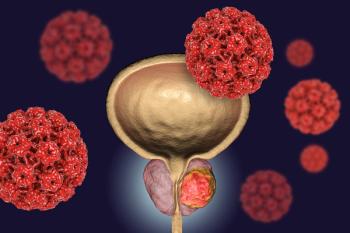
New potential medications may continue to expand the role of targeted agents.

Patients with microsatellite stable (MSS) colorectal cancer, which represents 95% of all metastatic colorectal cancer cases, are more responsive to checkpoint blockade immunotherapy if the patient’s tumors have not spread to the liver.
If approved, pembrolizumab would be the first adjuvant immunotherapy option for this patient population with renal cell carcinoma.

The safety of atezolizumab in the Impower010 trial was consistent with its known safety profile and no new safety signals were identified.
Current guideline recommendations include various combinations of targeted therapy with immunotherapy.

The Independent Data Monitoring Committee concluded that DESTINY-Breast03 met the primary endpoint of progression-free survival and showed a highly statistically significant and clinically meaningful improvement for patients with human epidermal growth factor receptor 2 (HER2)-positive, unresectable and/or metastatic breast cancer previously treated with trastuzumab and a taxane.
A number of prescription medications are indicated for the treatment of this aggressive disease.
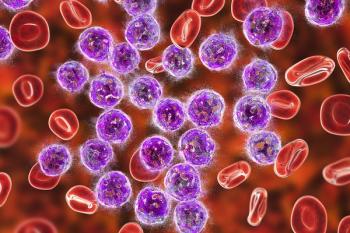
Polatuzumab vedotin regimen is the first in 2 decades to show such significant improvements.
The investigators found that the combination of cemiplimab-rwlc and chemotherapy resulted in a substantial improvement in OS compared to chemotherapy alone for patients with metastatic or locally advanced disease and tumors with either squamous or non-squamous histology and across all programmed death-ligand 1 expression levels.
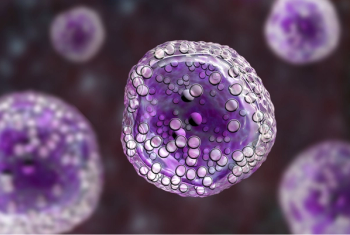
Asparaginase erwinia chrysanthemi (recombinant)-rywn) (Rylaze) is approved for use as a component of a chemotherapy regimen for the treatment of acute lymphoblastic leukemia and lymphoblastic lymphoma