

CEL-SCI Corporation plans to file for FDA approval in patients with advanced primary squamous cell carcinoma of the head and neck based on these trial results.
CEL-SCI Corporation plans to file for FDA approval in patients with advanced primary squamous cell carcinoma of the head and neck based on these trial results.
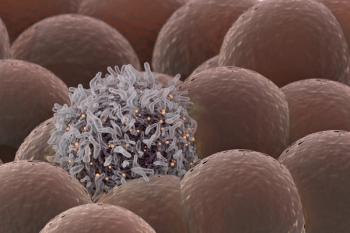
Milind Javle, PhD, professor of Gastrointestinal Medical Oncology at the University of Texas MD Anderson Cancer Center, discussed the dosing and treatment cycle during the trial assessing infigratinib for the treatment of previously treated locally advanced or metastatic cholangiocarcinoma.

The approval is based on results from the phase 2 KEYNOTE-629 trial, which found an objective response rate of 50% in adults with recurrent, metastatic, or locally advanced cutaneous squamous cell carcinoma.

Two studies by the University of Colorado Cancer Center provided an analysis for the theory of adaptive oncogenesis.

Pharmacists’ vast health care knowledge and community accessibility makes them ideal patient liaisons.

Mikhail Kosiborod, MD, cardiologist and vice president of research at Saint Luke's Health in Kansas City, discussed how the phase 3 DARE-19 trial was conducted to assess dapagliflozin in patients with type 2 diabetes hospitalized with COVID-19.

Milind Javle, PhD, professor of Gastrointestinal Medical Oncology at the University of Texas MD Anderson Cancer Center, discussed the safety profile of infigratinib for the treatment of patients with previously treated locally advanced or metastatic cholangiocarcinoma.

Milind Javle, PhD, professor of Gastrointestinal Medical Oncology at the University of Texas MD Anderson Cancer Center, discusses the eligibility requirements for patients included in the phase 2 trial results that led to the FDA approval of infigratinib.

Factors that may have contributed to the screening declines include site closures and temporary pausing of services.

The current study analyzed human tumor samples from 6 cancer types: liver, melanoma, colorectal, non-small lung, head and neck, and breast cancer.

Sacituzumab govitecan is approved for the treatment of patients with unresectable locally advanced or metastatic triple-negative breast cancer who have received 2 more prior systemic therapies.

The clinical benefit rate was observed in 16.7% of patients in the balixafortide arm and in 19.6% of patients in the eribulin monotherapy arm.

Milind Javle, PhD, professor of Gastrointestinal Medical Oncology at the University of Texas MD Anderson Cancer Center, discussed the findings of the phase 2 trial assessing infigratinib for treatment of previously treated locally advanced or metastatic cholangiocarcinoma harboring an FGFR2 fusion or rearrangement.
Asparaginase erwinia chrysanthemi (recombinant)-rywn) (Rylaze; Jazz Pharmaceuticals) provides a new alternative for a therapy in long-standing global shortage.

Study to evaluate the safety and efficacy of talazoparib, an oral PARP inhibitor, in combination with enzalutamide, an androgen receptor inhibitor.

Kirollos Hanna, PharmD, BCPS, BCOP, assistant professor of pharmacy at the Mayo Clinic College of Medicine and the oncology pharmacy manager at M Health Fairview - Maple Grove, discusses the potential impact of ACCC's Multiple Myeloma Dispensing Project on the field.
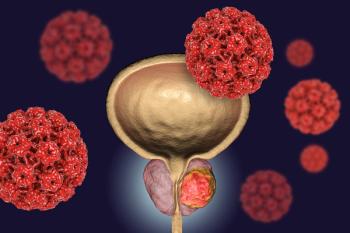
Researchers found an overall response rate of 29.8% in patients treated with 177Lu-PSMA-617, compared to a 1.7% partial response in the standard of care only arm.

The investigators found that population-based cancer registries showed a 10.2% decline in real-time electronic pathology reports in 2020 compared to 2019.

Umbralisib was granted accelerated approval by the FDA for the treatment of select patients with relapsed/refractory marginal zone lymphoma and relapsed/refractory follicular lymphoma.

Treatments to stimulate the release of eggs increase estrogen hormone production and can act on breast cells, which has created concern that this could turn the cells cancerous.

The use of high throughput technologies has revolutionized the understanding of the cancer genome.

Orelabrutinib is a highly selective Bruton's tyrosine kinase inhibitor designed to target B-cell lymphomas and autoimmune indications.

Trilaciclib (Cosela) is indicated to reduce the frequency of chemotherapy-induced bone marrow suppression in adults receiving certain types of chemotherapy for extensive-stage small cell lung cancer.

Novel treatments and recent data about new drugs were presented at the first conference of Advanced Topics for Oncology Pharmacy Professionals (ATOPP).

The small-molecule inhibitors of the SOX 11 oncogene showed promise both as single agents and in combination with ibrutinib.
Azacitidine (Onureg) was approved by the FDA in September 2020 as a maintenance therapy for acute myeloid leukemia.

Ribociclib was found to prolong overall survival and improve post-progression outcomes in patients with HR-positive/HER2−negative advanced breast cancer, particularly among younger patients with a significant unmet need.
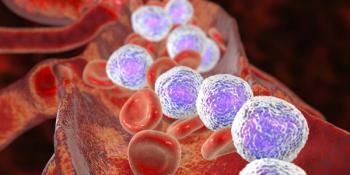
Results from the LOTIS-2 and LOTIS-3 trials show durable responses and a manageable toxicity profile among patients with both diffuse large B-cell lymphoma and mantle cell lymphoma treated with loncastuximab tesirine-lpyl (Zynlonta).

Further, the ISCs reside in a series of regularly folded valleys of the gut, which the researchers call crypts.

According to the authors of the KEYNOTE-826 trial results, this is the first anti-programmed death receptor-1 (PD-1)/PD-L1 therapy to demonstrate improvements in OS and PFS that were clinically meaningful and statistically significant regardless of PD-L1 status.