

Patients receiving sacituzumab govitecan also reported lower symptomatic impact of fatigue, pain, dyspnea, and insomnia.
Patients receiving sacituzumab govitecan also reported lower symptomatic impact of fatigue, pain, dyspnea, and insomnia.

Fluciclovine F 18 (Axumin), which is a radioactive diagnostic agent for injection that can be used to detect recurring prostate cancer.
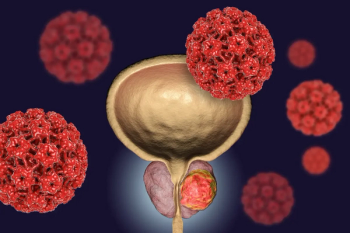
The PROpel phase 3 trial met the primary endpoints of radiographic progressing-free for men with metastatic castration-resistant prostate when treated with Olaparib, combined with abiraterone.

There are 3 PARP inhibitors that are FDA approved in multiple settings of ovarian cancer.

The majority of treatment-related adverse events (TRAEs) were grade 1-2 in severity, and no patients experienced dose-limiting toxicities during the 28 days following initial treatment.
Allostatic load is caused by a number of different stressors, including social isolation, poverty, and racism, many of which are commonly experienced by individuals belonging to racial and ethnic minorities, according to the investigators.

Patients with cancer should not be overlooked in any pharmacy setting. These patients are in need of resources, help, and hope.
The investigators said that these cells, referred to as lymph node resident memory T cells, have been demonstrated to counteract the spread of melanoma in mice.
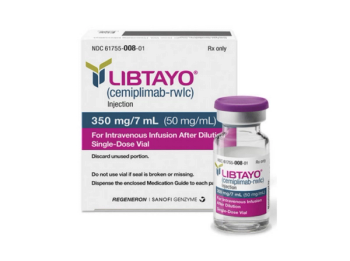
Cemiplimab is a recombinant human immunoglobulin G4 monoclonal antibody that binds to PD-1 and blocks its interaction with PD-L1 and PD-L2.

As practices have gained experience in the post-COVID-19 environment, health care professionals have found innovative ways to work around many of the obstacles the pandemic presents.
CAR-NK therapies are also shown to have fewer adverse reactions, and 25% of mice that were treated remained disease-free.

Jameshia Below, PharmD, an assistant professor of pharmacy practice at the University of Louisiana Monroe College of Pharmacy, explains what oncologic emergencies are and how they are classified.

Between October 2011 and February 2013, UKLS researchers randomized 4055 high-risk participants to either a single invitation to screening with LDCT or to no screening.
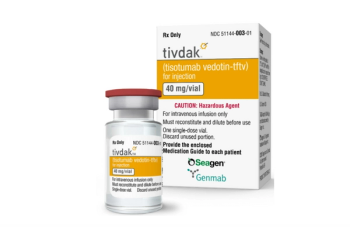
Tisotumab vedotin, is indicated for the treatment of adult patients with recurrent or metastatic cervical cancer with disease progression on or after chemotherapy.

Ten quiz questions to assess your knowledge on common symptoms and treatments for prostate cancer.

Isatuximab-irfc (Sarclisa; sanofi-aventis) provides patients with another option for treatment and significantly reduces the risk of disease progression or death.
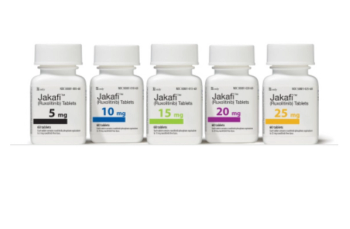
Ruxolitinib is indicated for intermediate or high-risk myelofibrosis, polycythemia vera, steroid-refractory acute graft-versus-host disease, and chronic graft-versus-host disease.

Oncology pharmacists can affect not only the efficacy of advancements in our health care system but also the scope of health care progress in our country.

The designation was based on data from the DESTINY-Breast03 phase 3 trial, and this is now the second BTD for trastuzumab deruxtecan in breast cancer, bringing its total number of BTDs to 4, according to an AstraZeneca press release.

A single infusion of the CAR T-cell therapy Tecartus produced a high and durable response rate in heavily pretreated patients with relapsed/refractory B-cell precursor acute lymphoblastic leukemia.

With a surge in development of oral oncolytic agents for a variety of therapy targets, the support pharmacists can provide patients in areas such as oral oncolytic medication adherence has come to the fore.

Prescribers, pharmacists, nurses, lab technicians, and other health care professionals must work as a team to create awareness and understanding of pharmacogenomics integration.
In an interview with Pharmacy Times®, Maria Whitman, Global Head of the Pharmaceutical and Biotech Practice at ZS, discusses the FDA’s Project Optimus, the FDA’s new guidance addressing dose optimization issues in oncology clinical trials, and how it has impacted drug manufacturers.

The investigators said these results suggest patients with low sTK1 activity levels have slow-growing disease, which can be initially controlled through single-drug endocrine therapy.

Margetuximab (Margenza) is indicated, in combination with chemotherapy, for the treatment of adult patients with metastatic HER2-positive breast cancer.

Among 38 patients with B-cell derived malignancies who were seronegative after 2 COVID-19 vaccine doses, 55% had detectable antibodies after the third dose whereas 45% remained seronegative.
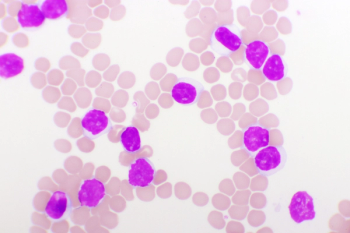
Patients with relapsed or refractory chronic lymphocytic leukemia are generally divided by those exposed to Bruton's tyrosine kinase inhibitors (BTKi), patients relapsing after venetoclax, and patients relapsing after BTKi and B-cell lymphoma-2 inhibitors.

Lauren C. Pinter-Brown, MD, FACP, of UCI Health and Chao Family Comprehensive Cancer Center, explains what the role of the pharmacist is during the treatment of patients with advanced cutaneous T cell lymphoma.
Robert Z. Orlowski, MD, PhD, director of the Myeloma Section at the University of Texas MD Anderson Cancer Center, reviewed novel agents in the treatment of triple-class refractory myeloma during a session at the 2021 annual meeting of the Society of Hematologic Oncology (SOHO).
The recommendation for managing cytopenias among patients treated with tyrosine kinase inhibitors is to discontinue treatment at the onset of grade 3 or higher.