

A presentation at the Society of Hematologic Oncology 2021 Annual Meeting reviewed the treatment of amyloidosis in multiple myeloma.
A presentation at the Society of Hematologic Oncology 2021 Annual Meeting reviewed the treatment of amyloidosis in multiple myeloma.

Shereen Stutz and Mark Alwardt, of McKesson, said the rise in oral oncolytics during the COVID-19 pandemic allowed pharmacists to be more innovative and to become an even more integrated part of the oncology care team.

Clinical trial results found a 30% reduction in the risk of death and a 2.3-month extension in median overall survival among patients with advanced or metastatic esophageal squamous cell carcinoma treated with tislelizumab.

The FDA approved Exkivity to treat non-small cell lung cancer along with Thermo Fisher Scientific’s Oncomine DX Target Test, which is intended to be a companion diagnostic for the treatment.

Tucatinib is indicated to treat adults with advanced unresectable or metastatic human epidermal growth factor receptor 2 (HER2)-positive breast cancer who have already received at least 1 anti-HER2-based regimen in the metastatic setting.

Dr. Jason Liu and his colleagues hoped to assess the use of maintenance durvalumab based on patient and physician characteristics among individuals with stage 3 NSCLC in the United States.

Survey participants saw potential for immunotherapy use in earlier stages of several diseases, including melanoma, lung cancer, and bladder or urothelial cancer.

Presenter Maria-Victoria Mateos, MD, PhD, University Hospital of Salamanca-IBSAL, Salamanca, Spain, discussed how optimal sequencing in MM has changed from those outlined in the older EU guidelines.

The regimen with chemotherapy continues to show longer rates at 9 months compared with 4.9 months for chemotherapy and the placebo.

In the MAGNOLIA trial, the median duration of response was not reached at the median follow-up time of 8.3 months, with 85% of responders still in remission at 12 months.

Immediate and second- and third-degree family members can benefit from colonoscopy screenings, new research results show.

Stereotactic ablative radiotherapy has similar overall and progression-free survival rates.

Among patients treated with the combination of nivolumab and ipilimumab, 23% were alive at 3 years, compared to 15% of patients treated with chemotherapy.

Cabozantinib (Cabometyx) was approved in 2016 for patients who have advanced renal cell carcinoma and who received prior anti-angiogenic therapy.

VOR33 aims to protect an individual’s healthy cells from anti-CD33 therapies and replace standard care transplants.

New research has found that the relative cardiovascular safety of different types of androgen deprivation therapy (ADT) for prostate cancer remains unresolved after the PRONOUNCE trial was terminated early.

The results of a 5-year follow-up study comparing trastuzumab (Ontruzant) and reference medicine trastuzumab show comparable cardiac safety profiles and long-term efficacy.
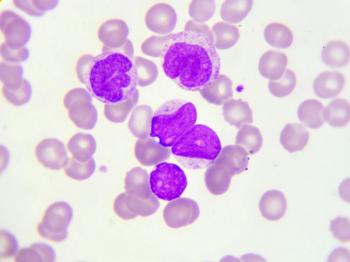
With CAR T-cell therapies showing promise for follicular lymphoma and marginal zone lymphoma, clinicians must weigh toxicity and tolerability almost as strongly as efficacy because patients can live years with these diseases

Lola Fashoyin-Aje, MD, MPH, associate director of Science & Policy Program to Address Disparities at the FDA’s Oncology Center of Excellence, discusses the importance of promoting inclusion of members of racial and ethnic minority groups in cancer drug trials.

The European Association of Neuro-Oncology and the European Society for Medical Oncology published recommendations related to parenchymal brain metastases.
New artificial intelligence tool can identify tumors at a 97% rate, a year before other methods can diagnose it.

Results from POSEIDON, a randomized open label, phase 3 trial, showed that patients administered 5 cycles of tremelimumab plus durvalumab and chemotherapy over 16 weeks experienced a 23% reduction in the risk of death compared with various chemotherapy options.

Study suggests potentially expanding the use of immunotherapies in the elderly, a population in whom these therapies may be under-prescribed.

The efficacy of pirtobrutinib does not depend on prior therapy, reason for prior BTK inhibitor discontinuation, or C481 mutation status, according to the presentation.
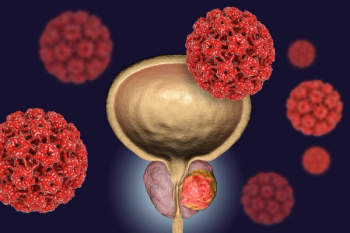
Calibrations for the European Randomized Study on Prostate Cancer and Prostate Cancer Prevention Trial predictors can forecast cases across different groups than originally targeted.

Because asparaginase is used exclusively in ALL, most adult oncologists do not administer it routinely.

Investigators used a new animal model to determine how the stem-like T cell can survive and what it looks like over the course of several months of tumor growth.

Prostate cancers grow slowly and rarely cause any health problems, so without regular screening, it is more difficult to identify any cancer in the prostate.
Ado-trastuzumab (Kadcyla, Genentech) was approved by the FDA in 2019 for the adjuvant treatment of patients with human epidermal growth factor receptor 2-positive early breast cancer.

Nearly 20% of patients with multiple myeloma have a form of the disease in which they make high quantities of a component of monoclonal proteins, which damages the kidneys.