

Sacituzumab govitecan-hziy (Trodelvy) is indicated for the treatment of patients with triple-negative breast cancer who have received 2 prior therapies at minimum for metastatic disease.
Sacituzumab govitecan-hziy (Trodelvy) is indicated for the treatment of patients with triple-negative breast cancer who have received 2 prior therapies at minimum for metastatic disease.
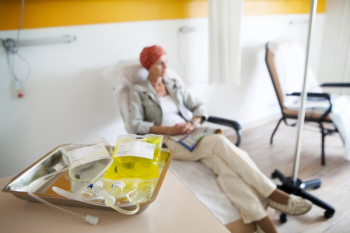
ARTISTRY-7 will analyze the anti-tumor activity and safety of the combination compared with chemotherapy for individuals with platinum-resistant ovarian cancer.
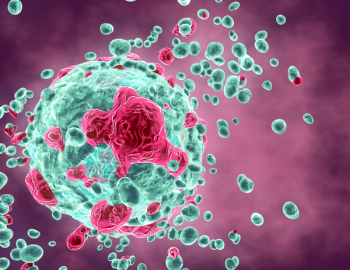
Investigators conclude that minimal residual disease cells, or those that survive the initial treatment, may carry some form of epigenetic and metabolic memory of the tumor.

After skin cancer, breast cancer is the most common cancer diagnosed in women in the United States.
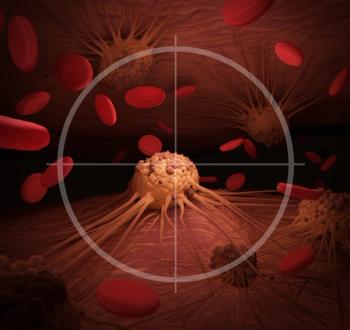
The multi-institutional clinic trial also concluded that there was no negative impact to quality of life for these patients.

The investigators said that the trial data showed potentially clinically meaningful improvements in both progression-free survival and overall survival in pre-specified subgroups of patients based on the baseline inflammatory biomarker, hs-CRP, as well as other biomarker-defined subgroups.
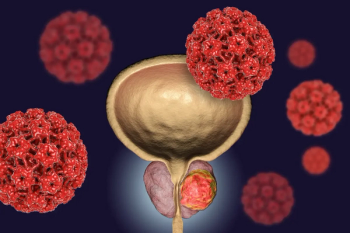
The rate of distant metastasis at 10 years was 29% for individuals whose scores demonstrated more aggressive disease compared with 13% for those who showed lower risk.
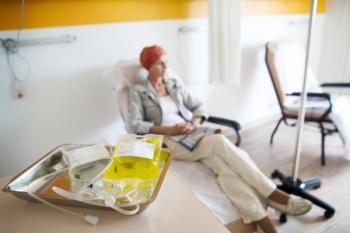
Patients undergoing chemotherapy had lower COVID-19 antibody levels than patients undergoing targeted therapy following vaccination.

There is a survival advantage for those who were also treated with surgery, according to new study results.

Adam Olszewski, MD, associate professor of medicine in Alpert Medical School at Brown University, discusses his SOHO 2021 conference presentation on prognostication and treatment of Burkitt lymphoma in the modern era.

Officials with the FDA have approved Roche’s VENTANA PD-L1 (SP263) Assay as a diagnostic test to evaluate patients with non-small cell lung cancer (NSCLC) who are eligible to receive atezolizumab (Tecentriq, Genentech).
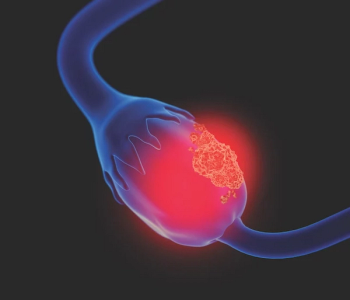
The drug previously received approval to treat mucosal melanoma but could be used in combination with pembrolizumab.

Extravasation is defined as the inadvertent leakage of a vesicant from the vein into the surrounding tissue.
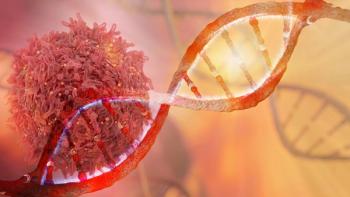
Jameshia Below, PharmD, an assistant professor of pharmacy practice at the University of Louisiana Monroe College of Pharmacy, explains the initial management process for oncologic emergencies, the treatments currently available, and treatments coming in the drug pipeline.

Study results show that annual screening can identify cases of prostate cancer up to 8 times as often in those with hereditary Lynch syndrome than in those who do not get the tests.

Jameshia Below, PharmD, an assistant professor of pharmacy practice at the University of Louisiana Monroe College of Pharmacy, explains what the most common complications from cancer treatment are that can lead to oncologic emergencies and how can they be identified.

Study results shows that patients who have been diagnosed with the disease may face many challenges, which can increase anxiety or depression.

In an interview with Pharmacy Times®, Lee Helman, MD, vice chair on Stand Up To Cancer's Scientific Advisory Committee, discusses the research collaboration between Stand Up To Cancer and Jazz Pharmaceuticals.

TAK1 restricts receptor-interacting serine/threonine-protein kinase 1 dependent cell death, and targeting TAK1 with inhibitors shifts cells from pro-survival programs to cell death, according to the study.

New legislation is set to ensure the availability of home infusions for certain Medicare patients.

Exercise can complement other treatments for prostate cancer, including androgen deprivation therapy, which can lead to significant reduction in lean mass and an increase in fat mass.
Monitoring for AEs, educating about drug regimens, and managing therapies are opportunities for pharmacists to make a difference.

According to Genentech, atezolizumab is the first and only cancer immunotherapy approved for adjuvant treatment of NSCLC.

They added that this is one of the first proofs of concept illustrating the power of an AI model for identifying parameters associated with relapse that the human brain could not detect.

Approximately 25% to 35% of new oncology therapies in development are oral medications.
Pembrolizumab (Keytruda) approved by FDA in combination with chemotherapy, with or without bevacizumab (Avastin), in patients with persistent, recurrent, or metastatic cervical cancer.
New therapeutics for prostate cancer must continue to be assessed for comparative safety and efficacy, as well as accessibility for patients.

Abemaciclib (Verzenio) approved in combination with endocrine therapy for the adjuvant treatment of adult patients with HR–positive, HER2-negative, node-positive, early breast cancer at high risk of recurrence.

Jameshia Below, PharmD, assistant professor of pharmacy practice at the University of Louisiana Monroe College of Pharmacy, explains how oncologic emergencies present in patients, and how each type can be recognized.