

While overall drug shortages declined in 2025, USP findings suggest that longstanding supply chain vulnerabilities continue to fuel persistent shortages across multiple therapeutic areas.
While overall drug shortages declined in 2025, USP findings suggest that longstanding supply chain vulnerabilities continue to fuel persistent shortages across multiple therapeutic areas.

Phase 3 REIMAGINE data presented at ADA 2026 show the amylin–GLP-1 combination bests semaglutide monotherapy across type 2 diabetes stages, with implications for pharmacist-managed diabetes care.

Proactive, multidisciplinary strategies for managing drug shortages.

Pharmacists are increasingly positioned to answer questions and address patient interests as peptide therapies expand rapidly across clinical.
Cheeley takes listeners inside her clinical decision-making process—from statin intolerance to PCSK9 inhibitors to omega-3s—and explains why patient buy-in is as important as the prescription itself.
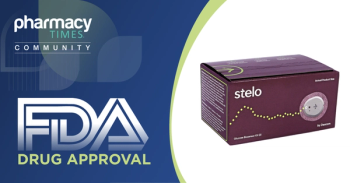
The integrated CGM is now indicated for individuals 2 years of age and older who do not use insulin.

At ACTHIV 2026, Jaimee Colvin, MSN, APRN, FNP-C, outlined how provider knowledge gaps, entrenched stigma, and a lack of culturally representative outreach continue to drive the PrEP disparity among cisgender Black and Brown women.
Approval of teplizumab-mzwv in patients aged 8 to 17 years makes it the first disease-modifying therapy for children newly diagnosed with stage 3 type 1 diabetes.

FDA clears teclistamab plus daratumumab after first relapse, delivering striking PFS gains—plus practical tips to manage CRS, ICANS, and infections.

The discussion examines the evidence behind common concerns about everyday products, food trends, and lifestyle habits.

Data presented at EHA 2026 showed that epcoritamab significantly improved progression-free survival and complete response rates compared with standard chemoimmunotherapy in patients with relapsed or refractory (RR) large B-cell lymphoma (LBCL).

This year’s guide, compiled from a national survey of 1700 practicing pharmacists, identifies the top recommended brands across 145 product categories, ranging from pediatric care to pain relief.

Korean and Asian manufacturers have used bemotrizinol widely in sunscreen formulations for many years.
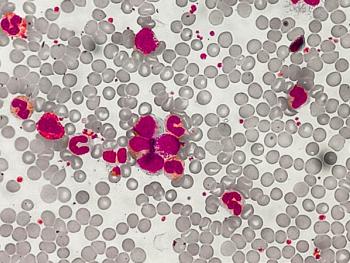
Long-term data show that frontline zanubrutinib significantly improved second progression-free survival (PFS2) and preserved the effectiveness of subsequent BCL2 inhibitor–based therapies compared with bendamustine-rituximab in treatment-naive CLL/SLL.

Specialty pharmacy technicians address barriers in oral anticancer therapy and transitions of care through improved care coordination and therapy access.
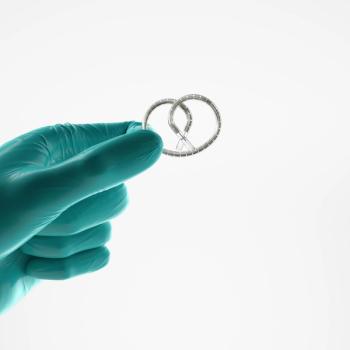
Inlexzo Gemcitabine Intravesical System delivers sustained therapy for BCG-unresponsive NMIBC, raising complete response and avoiding cystectomy.
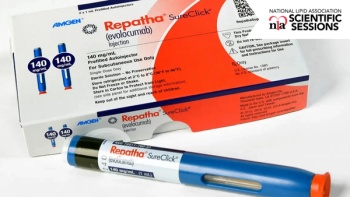
TIMI Study Group investigators presented new VESALIUS-CV data showing that intensive LDL-C lowering with evolocumab reduces major cardiovascular events, reinforcing the "lower is better, earlier is better" approach to lipid management.

Probiotic and prebiotic supplements shape the gut microbiome and boost gastrointestinal health and immunity.

Jaimee Colvin, MSN, APRN, FNP-C, outlines the intentional, community-rooted, and representation-driven infrastructure required to scale PrEP access for cisgender women nationally.
The indication is for adults with PTEN-deficient metastatic androgen pathway modulation-naïve or modulation-sensitive prostate cancer.

What began as a modest survey has grown into one of the most trusted barometers of frontline pharmaceutical expertise in the country.

EHA 2026 data show Sonrotoclax plus zanubrutinib drives rapid, durable uMRD in frontline CLL, even TP53/del17p.
Correcting the misinformation around statins and cardiovascular disease, and reframing Lp(a) as a genetic condition, not a personal failure, can be a powerful clinical tool.

A post hoc analysis of ATTAIN-1 and ATTAIN-2 presented at ADA 2026 found orforglipron (Foundayo) significantly reduced body weight and waist circumference in women regardless of menopausal stage.

Real‑world study finds grade 1 CRS during CD20 bispecific therapy for follicular lymphoma is often safe at home, reducing hospital use.

The landscape of cardiovascular prevention is shifting from a focus on surrogate biomarkers to a more granular, image-based assessment of actual disease burden.
Craig Beavers, PharmD, discusses transthyretin amyloidosis cardiomyopathy (ATTR-CM) red flags, treatment evidence, and how pharmacists can drive earlier diagnosis and improve patient outcomes.
Data presented at EHA 2026 continue to support venetoclax plus obinutuzumab as a first-line treatment for patients with chronic lymphocytic leukemia (CLL).
The indication is for adjuvant treatment of adults with high-risk clear cell renal cell carcinoma (RCC) following nephrectomy, based on LITESPARK-022 showing a significant improvement in disease-free survival.

Student pharmacists boost dermatology literacy in underserved communities, improving sunscreen habits, skin cancer warning recognition, and practical skin health self-care.