

This abstract was presented at the Oncology Pharmacists Connect (OPC) meeting in Austin, Texas, from June 18 to 19, 2026.
This abstract was presented at the Oncology Pharmacists Connect (OPC) meeting in Austin, Texas, from June 18 to 19, 2026.

FDA approval expands Breztri Aerosphere from COPD to asthma, offering single-inhaler triple therapy for adults and pediatric patients 12+.

This is an encore presentation from the 2025 American Pharmacists Association Annual Meeting and Exposition in Nashville, Tennessee. This abstract was presented at the Oncology Pharmacists Connect (OPC) meeting in Austin, Texas, from June 18 to 19, 2026.

A new Lancet study provides the first plausible evidence that a national package of food labeling, marketing restrictions, and school food policies can reduce excess weight among young children.

Data showed that talquetamab combined with daratumumab, with or without pomalidomide, significantly improved PFS, OS, response rates, and MRD negativity.
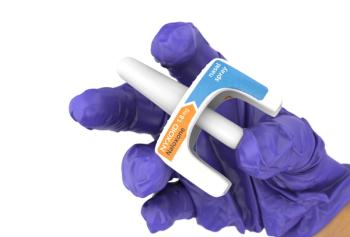
The FDA approved Rextovy, a 4-mg OTC naloxone nasal spray, expanding public access to a lifesaving opioid overdose reversal medication and increasing the availability of nonprescription treatment options.
The indication is for complicated urinary tract infections (UTIs) caused by several susceptible microorganisms in adults who have limited or no alternative oral treatment options.
Chiadi Ndumele, MD, explains why the new American Heart Association (AHA)/American College of Cardiology (ACC) guideline addresses cardiovascular-kidney-metabolic (CKM) disease as one interconnected syndrome.

Identifying high-risk patients, optimizing lipid-lowering therapy, and helping patients achieve evidence-based targets remain critical to improving cardiovascular outcomes.
Fátima Rodriguez, MD, explains how the new cardiovascular-kidney-metabolic (CKM) syndrome guideline addresses health equity, risk prediction, and the pharmacist's role in care.
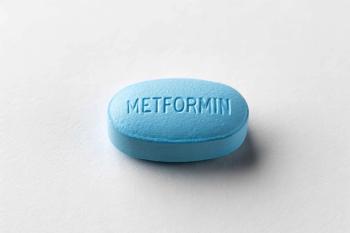
The findings add to a growing body of evidence supporting metformin's role as a preventive strategy against postacute sequelae of COVID-19.
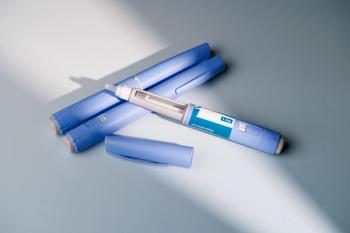
The ADA Scientific Sessions highlighted important advances across the diabetes treatment landscape.

A candid midlife reckoning in modern pharmacy care: Reclaim purpose, question the system, and reconnect work to meaning, patient impact, and wholehearted living.

When pharmacists and clinical decision support software work in tandem, the result is a powerful safety net that catches medication errors before they reach patients.

Although overall drug shortages declined in 2025, USP findings suggest that long-standing supply chain vulnerabilities continue to fuel persistent shortages across multiple therapeutic areas.

Phase 3 REIMAGINE data presented at ADA 2026 show the amylin–GLP-1 combination bests semaglutide monotherapy across type 2 diabetes stages, with implications for pharmacist-managed diabetes care.

Proactive, multidisciplinary strategies for managing drug shortages.

Pharmacists are increasingly positioned to answer questions and address patient interests as peptide therapies expand rapidly across clinical settings.
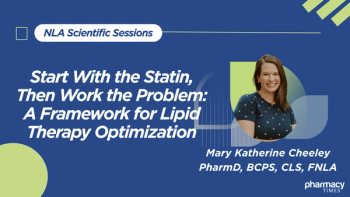
Cheeley takes listeners inside her clinical decision-making process—from statin intolerance to PCSK9 inhibitors to omega-3s—and explains why patient buy-in is as important as the prescription itself.
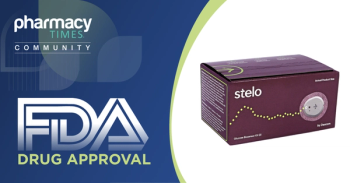
The integrated CGM is now indicated for individuals 2 years and older who do not use insulin.

At ACTHIV 2026, Jaimee Colvin, MSN, APRN, FNP-C, outlined how provider knowledge gaps, entrenched stigma, and a lack of culturally representative outreach continue to drive the PrEP disparity among cisgender Black and Brown women.
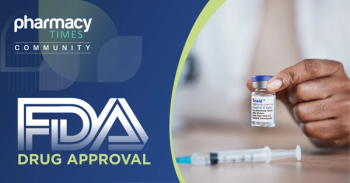
Approval of teplizumab-mzwv in patients aged 8 to 17 years makes it the first disease-modifying therapy for children newly diagnosed with stage 3 type 1 diabetes.

FDA clears teclistamab plus daratumumab after first relapse, delivering striking PFS gains—plus practical tips to manage CRS, ICANS, and infections.
The discussion examines the evidence behind common concerns about everyday products, food trends, and lifestyle habits.

Data presented at EHA 2026 showed that epcoritamab significantly improved progression-free survival and complete response rates compared with standard chemoimmunotherapy in patients with relapsed or refractory (RR) large B-cell lymphoma (LBCL).

This year’s guide, compiled from a national survey of 1700 practicing pharmacists, identifies the top recommended brands across 145 product categories, ranging from pediatric care to pain relief.

Korean and Asian manufacturers have used bemotrizinol widely in sunscreen formulations for many years.
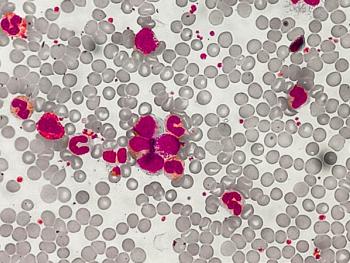
Long-term data show that frontline zanubrutinib significantly improved second progression-free survival (PFS2) and preserved the effectiveness of subsequent BCL2 inhibitor–based therapies compared with bendamustine-rituximab in treatment-naive CLL/SLL.
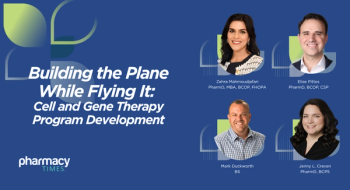
Leaders unpack governance, SOP scalability, and payer hurdles in cell and gene therapy program development, helping the cell and gene therapies community build sustainable programs.

Specialty pharmacy technicians address barriers in oral anticancer therapy and transitions of care through improved care coordination and therapy access.