

Jun Ling Lu, MD, assistant professor, University of Tennessee Health Science Center, addresses the study findings regarding how the long-term use of aspirin impacts mortality and renal deterioration in patients with chronic kidney disease.
Jun Ling Lu, MD, assistant professor, University of Tennessee Health Science Center, addresses the study findings regarding how the long-term use of aspirin impacts mortality and renal deterioration in patients with chronic kidney disease.

Jun Ling Lu, MD, assistant professor, University of Tennessee Health Science Center, addresses what patient populations were included in the study assessing the long-term use of aspirin in patients with chronic kidney disease.
Rodney Pommier, MD, FACS, professor of surgery, Oregon Health & Science University, discusses what the study results demonstrated regarding treating carcinoid crisis without perioperative octreotide for patients with neuroendocrine tumors.

Chi Chu, MD, an assistant professor in the division of nephrology at the University of California San Francisco, why providers might under dose ACE and ARB treatments for proteinuria.
Rodney Pommier, MD, FACS, professor of surgery, division of surgical oncology, school of medicine, Oregon Health & Science University, discusses the selection of the patient populations included in the study of carcinoid crisis with no perioperative octreotide.
Jun Ling Lu, MD, assistant professor, University of Tennessee Health Science Center, addresses the established understanding of how the use of aspirin impacts the treatment of chronic kidney disease.

Jun Ling Lu, MD, assistant professor, University of Tennessee Health Science Center, discusses her presentation at the American Society of Nephrology’s Kidney Week 2021 on the association between long-term aspirin use and the progression of kidney disease.

Chi Chu, MD, an assistant professor in the division of nephrology at the University of California San Francisco, discusses the similarities and differences of ACEs and ARBs in practice.

Galindo hopes that less patients will be diagnosed with advanced chronic kidney disease if we use the right glucose-lowering agents in the earliest stages.
Jung-Im Shin, MD, PhD, assistant professor at Johns Hopkins University Bloomberg School of Public Health, discusses next steps in potential future research avenues following the results of her analysis into the risk of hematuria and proteinuria associated with rosuvastatin use.
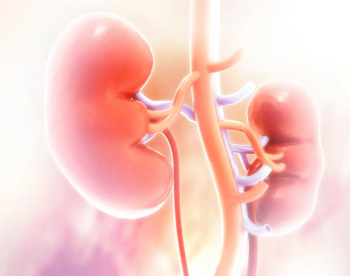
Chi Chu, MD, an assistant professor in the division of nephrology at the University of California San Francisco, discusses how ACE and ARB therapies can be applied to chronic kidney disease, and the benefits of controlling the dosage.
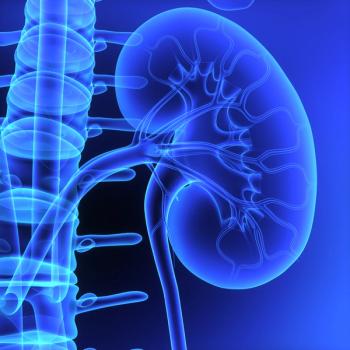
Jung-Im Shin, MD, PhD, assistant professor at Johns Hopkins University Bloomberg School of Public Health, discusses the results of her research regarding the risks of hematuria and proteinuria with rosuvastatin use.
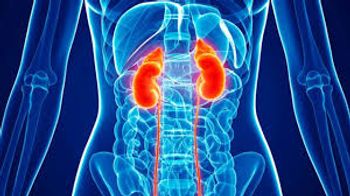
Galindo explained how the use of glucose-lowering agents in patients with diabetes and low eGFR improved patient care.

The FDA is currently reviewing a New Drug Application for vadadustat in this patient population, and a Prescription Drug User Fee Act date has been set for March 29, 2022.
Nicole Ross, MSN, CRNP, AOCNP, nurse practitioner for the department of hematology/oncology at Fox Chase Cancer Center, discusses how targeted therapies are impacting the treatment of NETs.

Jung-Im Shin, MD, PhD, assistant professor at Johns Hopkins University Bloomberg School of Public Health, discusses her presentation at American Society of Nephrology’s Kidney Week 2021 on the known and previously established risks associated with rosuvastatin use.

Jung-Im Shin, MD, PhD, assistant professor at Johns Hopkins University Bloomberg School of Public Health, discusses her presentation at American Society of Nephrology’s Kidney Week 2021 on the known and previously established risks associated with rosuvastatin use.
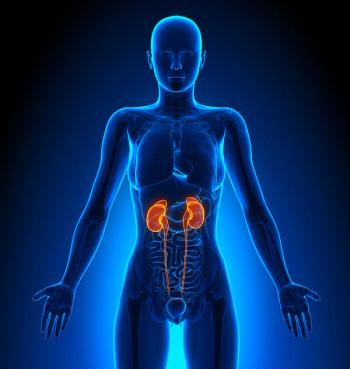
Galindo gave a general overview of his session and explained the new standards of care for chronic kidney disease which he has felt made a great impact on the field.
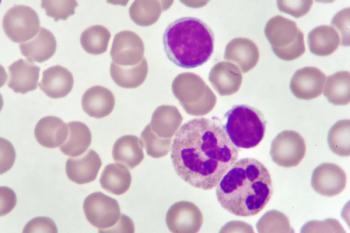
Mei Ka Fong, PharmD, BCOP, said sunitinib was the first targeted therapy for NETs, although other targeted agents are being investigated.
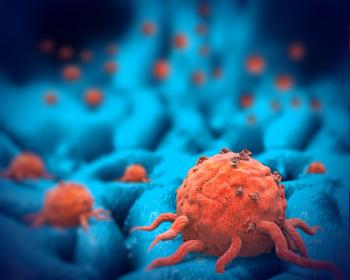
Rodney Pommier, MD, FACS, professor of surgery, division of surgical oncology, school of medicine, Oregon Health & Science University, addresses the questions surrounding the efficacy of perioperative octreotide treatment for patients experiencing a carcinoid crisis.
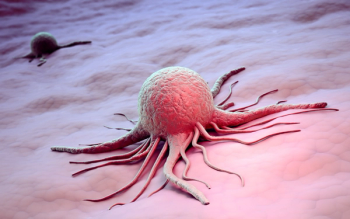
Kaushal Nanavati, MD, assistant dean of wellness and director of integrative medicine and survivorship at the Upstate Cancer Center discusses how CBD and cannabinol can offer potential treatment options as more research is being brought to the forefront on these as integrative medicine.

Rodney Pommier, MD, FACS, professor of surgery, division of surgical oncology, school of medicine, Oregon Health & Science University, discusses what octreotide is and how it is used to reduce carcinoid crisis rates or treat a crisis.
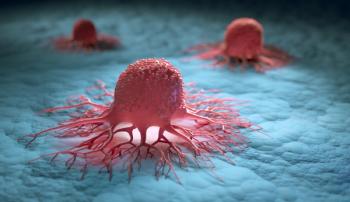
NETs can occur almost anywhere in the body, although they are most common in the gastrointestinal tract and lungs.
Rodney Pommier, MD, FACS, professor of surgery, division of surgical oncology, school of medicine, Oregon Health & Science University, discusses his presentation at the 2021 NANETS Virtual Symposium on a prospective study of carcinoid crisis with no perioperative octreotide.
Nicole Ross, MSN, CRNP, AOCNP, nurse practitioner for the department of hematology/oncology at Fox Chase Cancer Center, discusses how communication plays a huge role in treatment of neuroendocrine tumors in large cancer centers.
Kaushal Nanavati, MD, assistant dean of wellness and director of integrative medicine and survivorship at the Upstate Cancer Center discusses why integrative treatment can help physicians personalize treatments for individuals with NETs and why it is beneficial to improve the quality of life for them.
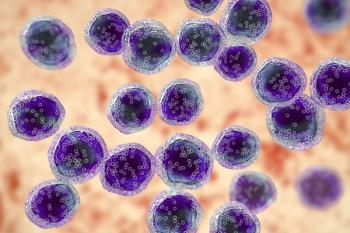
Mei Ka Fong, PharmD, BCOP, said there are multiple treatment approaches for patients with NETs.
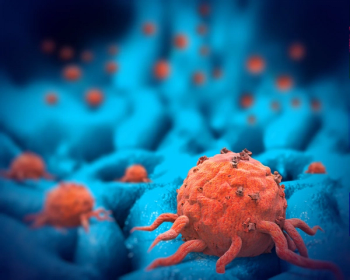
Nicole Ross, MSN, CRNP, AOCNP, nurse practitioner for the department of hematology/oncology at Fox Chase Cancer Center, discusses what kind of support services at large cancer centers can help individuals with neuroendocrine tumors with their treatment.
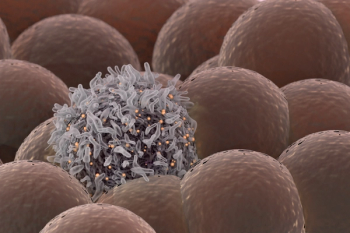
Kaushal Nanavati, MD, assistant dean of wellness and director of integrative medicine and survivorship at the Upstate Cancer Center, discusses how integrative medicine can help treatment of neuroendocrine tumors in combination with other treatments.

Mark Garofoli, director of Experiential Learning Program at WVU School of Pharmacy, discusses his CPhT 2021 conference presentation regarding the role and impact of pharmacy technicians on opioids in the pharmacy.