

Clinicians explored at-home monthly injections of somatostatin analogues during the early days of the COVID-19 pandemic in order to keep patients out of health care facilities as much as possible.
Clinicians explored at-home monthly injections of somatostatin analogues during the early days of the COVID-19 pandemic in order to keep patients out of health care facilities as much as possible.

Kaushal Nanavati, MD, assistant dean of wellness and director of integrative medicine and survivorship at the Upstate Cancer Center discusses the different treatment options that could help individuals with neuroendocrine tumors, emphasizing the importance of nutrition.

Experts address cases for and against the use of surgical resection in the treatment of patients with neuroendocrine tumors and liver metastases.

Kaushal Nanavati, MD, assistant dean of wellness and director of integrative medicine and survivorship at the Upstate Cancer Center discusses what the different kinds or research shows about integrative medicine and the potential risk of this treatment.
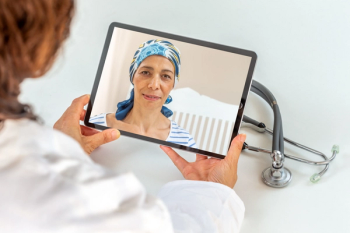
Nicole Ross, MSN, CRNP, AOCNP, nurse practitioner for the department of hematology/oncology at Fox Chase Cancer Center, discusses how large cancer centers provide patient-centered care.
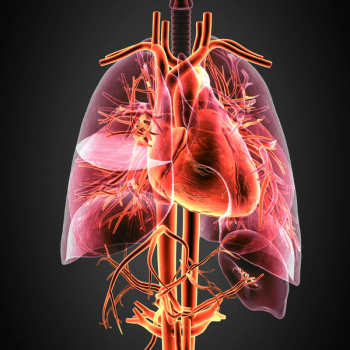
Paolo Raggi, MD, PhD, professor at the department of medicine in the division of cardiology at the University of Alberta, discusses the effects of vascular calcifications if not successfully prevented.

Surufatinib targets both the VEGF receptor and the CSF1R receptor, which is a unique mechanism of action.
Rodney Pommier, MD, FACS, professor of surgery, Oregon Health & Science University, provides conclusions based on the prospective study findings investigating the treatment of carcinoid crisis without perioperative octreotide.

Kaushal Nanavati, MD, assistant dean of wellness and director of integrative medicine and survivorship at the Upstate Cancer Center discusses what integrative medicine is and how it can be used in conjunction with established cancer treatments.

Paolo Raggi, MD, PhD, professor at the department of medicine in the division of cardiology at the University of Alberta, discusses the role pharmacists play in helping individuals with vascular calcification and chronic kidney disease.

Kaushal Nanavati, MD, assistant dean of wellness and director of integrative medicine and survivorship at the Upstate Cancer Center discusses how integrative medicine can be used with cancer treatments and what the benefits are.
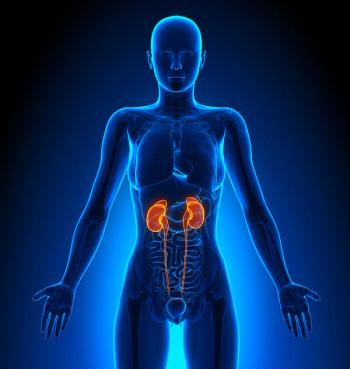
Boyd hopes to see the various study results on diet's role in conditions such as high blood pressure and chronic kidney disease to further help patients.
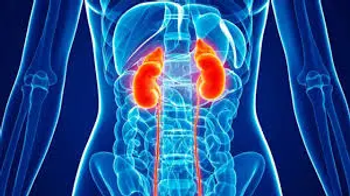
Paolo Raggi, MD, PhD, professor at the department of medicine in the division of cardiology at the University of Alberta, discusses what the treatment options are to treat vascular calcification.
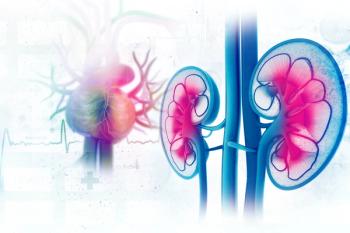
Dr. Cary Boyd-Shiwarski explained the effectiveness of potassium-binding agents in treating hyperkalemia in resistant hypertension and CKD.
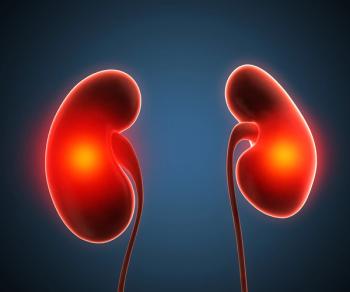
Peter Stenvinkel, MD, PhD, FASN, full professor and senior lecturer at Karolinska University Hospital, Karolinska Institutet, discusses his presentation at the American Society of Nephrology’s Kidney Week 2021 on vascular aging in chronic kidney disease.
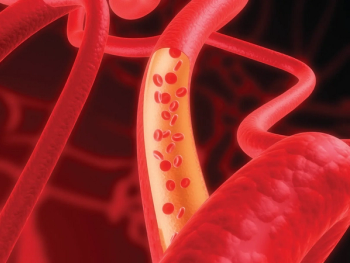
Paolo Raggi, MD, PhD, professor at the department of medicine in the division of cardiology at the University of Alberta, discusses how chronic kidney disease elevated the risk of vascular calcification and what the risks of vascular calcification are.
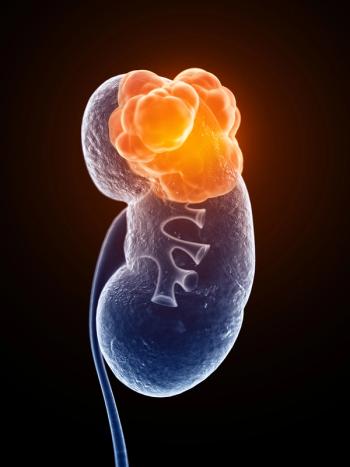
Dr. Cary Boyd-Shiwarski explains how nonsteroidal mineralcorticoid receptor antagonists and novel potassium-binding agents alter the management of hyperkalemia and approaching potassium handling in chronic kidney disease.
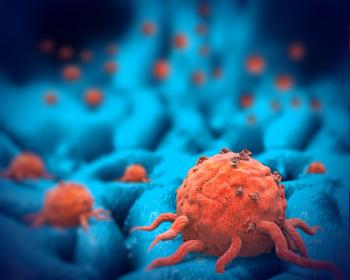
Drug dose and monitoring should be individualized based on patients’ unique bone marrow health profile with their age, comorbidities, and prior marrow toxic drug use accounted for.

In addition to the vital clinical role that pharmacists play, Mei Ka Fong, PharmD, BCOP, said pharmacists are essential to ensuring that patients understand their disease and their treatments.
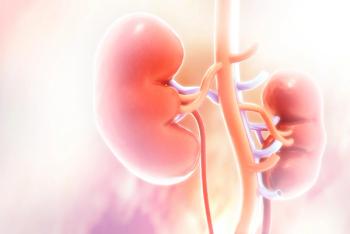
Boyd gave a general overview of how potassium handling works in chronic kidney disease, specifically with hyperkalemia.
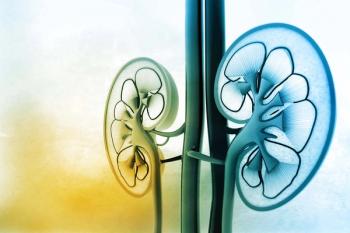
Farzana Perwad, MD, chief of the Division of Nephrology at UCSF Benioff Children's Hospitals, discusses the common health impacts of phosphate metabolism disorders.
Farzana Perwad, MD, chief of the Division of Nephrology at UCSF Benioff Children's Hospitals, discusses the relationship between chronic kidney disease and disorders of phosphate metabolism.
Despoina Manousaki, MD, PhD, pediatric endocrinologist and assistant professor at CHU Sainte-Justine Research Centre, discusses the impact of uremia on vitamin D metabolism.
Despoina Manousaki, MD, PhD, pediatric endocrinologist and assistant professor at CHU Sainte-Justine Research Centre, discusses the relationship between uremia and chronic kidney disease.
Jun Ling Lu, MD, assistant professor, University of Tennessee Health Science Center, addresses next steps in research investigating the benefits of aspirin in patients with chronic kidney disease.
Chi Chu, MD, an assistant professor in the division of nephrology at the University of California San Francisco, why submaximal dosing is important in minimizing proteinuria and chronic kidney disease.
Tidutamab was found to have favorable safety and tolerability treating neuroendocrine tumors of pancreatic, gastrointestinal, lung, and undetermined origin.
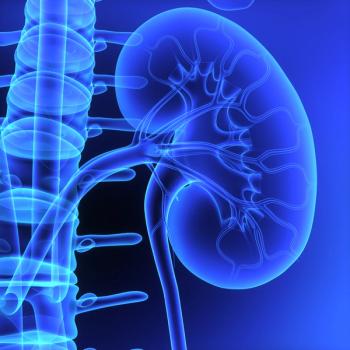
Jun Ling Lu, MD, assistant professor, University of Tennessee Health Science Center, addresses the implications of study results assessing long-term aspirin use and the progression of kidney disease.

Mei Ka Fong, PharmD, BCOP, said that although many potential adverse events are well understood in patients receiving traditional treatments, there are no studies investigating the sequencing of these agents.
Rodney Pommier, MD, FACS, professor of surgery, Oregon Health & Science University, discusses what the study results demonstrated regarding treating carcinoid crisis without perioperative octreotide for patients with neuroendocrine tumors.