

In an interview with Pharmacy Times, Anastasia Armbruster, PharmD, FACC, BCCP, discussed her presentation at the American College of Cardiology 2023 Scientific Session.
In an interview with Pharmacy Times, Anastasia Armbruster, PharmD, FACC, BCCP, discussed her presentation at the American College of Cardiology 2023 Scientific Session.

Although pharmacokinetics and dynamics can be complex, particularly in patients with cancer, pharmacists play a key role in the various considerations and treatment decisions.

Pharmacists are essential health care team members who can be empowered to help initiate fixed-dose combinations, according to an expert panel at the American College of Cardiology 2023 Scientific Session.

Atrial fibrillation and atherosclerotic cardiovascular disease are frequent challenges among patients with cancer.

Health care providers can manage “fake news” about statins, including their indications and misinformation regarding liver and kidney damage.

Bempedoic acid is indicated as an adjunct to diet and maximally tolerated statin therapy for adults with heterozygous familial hypercholesterolemia or established atherosclerotic cardiovascular disease who require additional lowering of low-density lipoprotein-cholesterol.

In addition to the hundreds of sessions and events, ACC has partnered with the World Heart Federation, bringing an international focus to the meeting.

Patients with atherosclerotic cardiovascular disease who were already receiving statin therapy had a reduction in adverse cardiovascular outcomes with earlier initiation of evolocumab.

American College of Cardiology President Edward Fry, MD, FACC, discussed what attendees can look forward to at the 2023 Scientific Sessions.
The inaugural Oncology Pharmacists Connect is directed toward pharmacists practicing in oncology in multiple practice environments.
Positive data on the novel prostate cancer combination treatment was presented at the 2023 American Society of Clinical Oncology Genitourinary Cancers Symposium.
Olaparib with abiraterone increased survival in patients with metastatic prostate cancer compared to the current standard of care, according to a session at the ASCO Genitourinary Cancers Symposium.

The FDA approved darolutamide in 2019 for the treatment of patients with nonmetastatic castration-resistant prostate cancer based improved metastasis-free survival.
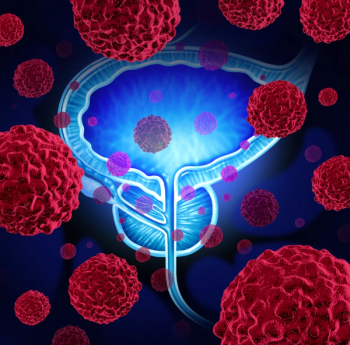
New data identifying a particular gene expression signature will be presented at the 2023 ASCO Genitourinary Symposium.

Specialty medication has grown to about 55% of net spending, which is up by 28% since 2011 mostly driven by autoimmune diseases and oncology.

Biosimilars, staffing issues, and mail-order companies are key trends to watch.

Social media can leverage pharmacists as personalities and help influence which topics the public discusses and the data they consume, presenter says.
Anthony Pudlo, PharmD, MBA, executive director of the Tennessee Pharmacists Association, discussed his presentation at the National Association of Chain Drug Stores (NACDS) 2023 Regional Chain conference.

Pudlo’s presentation focused on key shifts in chain pharmacies, including pharmacy benefit manager (PBM) reform, pharmacist-administered vaccine trends, and provider status.

Comprehensive medication management is 1 way to optimize therapy, according to Steven Chen, PharmD, FASHP, FCSHP, FNAP, who spoke at the NACDS Regional 2023 Meeting.

National Association of Chain Drug Stores CEO and president, and 2 other experts discuss the importance of advocacy on the statewide policy level.

With the growing importance of pharmacy services, Chen said pharmacists should think outside the box and get creative when finding effective payment models.

Jim Whitman, senior vice president of member programs and services at the National Association of Chain Drug Stores (NACDS), discussed the upcoming NACDS 2023 Regional Conference and what attendees can look forward to.
Zolbetuximab treatment reduced risk of death by 25% compared to placebo.

Michael Brown, vice president of Managed Services at Cardinal Health, discusses ways for pharmacists to help manage costs post-pandemic.

Stephen Davis, PharmD, senior director of Health System Strategy at Shields, and Erica Diamantides, PharmD, specialty pharmacy manager at UW Medicine, discuss the current guidance and best practice for specialty pharmacy accreditations.

Jawad Saleh, PharmD, BSPharm, BCCCP, BCPS, clinical manager of Pharmacy Services at the Hospital for Special Surgery, discusses how pharmacists can treat postoperative nausea and vomiting.

In addition to ongoing staffing patterns and new technology, an expert said pharmacies will have to adapt to new ways of educating students and staff.
Clinical oncology pharmacist Amy Indorf, PharmD, BCOP, discusses her presentation on the role of PARP inhibitors for ovarian cancer.

Although progress has been made in pre-exposure prophylaxis use, there are still significant barriers for many patients.