

DESTINY-Breast02 clinical trial results show trastuzumab deruxtecan demonstrated a clinically meaningful and statistically significant improvement in progression-free and overall survival.
DESTINY-Breast02 clinical trial results show trastuzumab deruxtecan demonstrated a clinically meaningful and statistically significant improvement in progression-free and overall survival.

Tumor microenvironment differences in Black women may explain disparities in outcomes for those with residual tumors after chemotherapy treatment for ER–positive/HER2-negative breast cancer.

Breast cancer expert joined a panel to discuss aromatase inhibitors at the San Antonio Breast Cancer Symposium (SABCS) on December 6, 2022.

Future research should investigate which therapies with new mechanisms of action add incremental benefit to existing treatment regimens for non-small cell lung cancer.

When used with chemotherapy, pembrolizumab provides a synergistic response to increase survival rates.

A new radiation therapy may reduce toxicity compared to standard therapy, paving the way for a safer and possibly, more effective, treatment of early-stage breast cancer.

Kalin Clifford, associate professor in the Geriatrics Division at Texas Tech University Health Sciences Center in the Jerry H. Hodge School of Pharmacy, discusses the potential benefits of herbal supplements for dementia care.
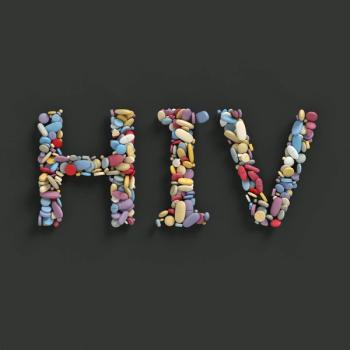
Dena Dillon, HIV clinical pharmacy specialist at the University of Iowa Health Care, discusses 2-drug regimens for individuals living with HIV.

Jawad Saleh, clinical manager of Pharmacy Services at the Hospital for Special Surgery, discusses how pharmacists can treat postoperative nausea and vomiting.

Results of RIGHT Choice phase 2 clinical trial show Kisqali doubled PFS and showed fewer adverse events.

Biomarker testing and management of immune-related adverse events are key roles for pharmacists.

Tom Greenlee, retail pharmacy manager at the University of Missouri Health Care, and Kayla Hodges, 340B Analyst in Pharmacy Business at the University of Missouri Health Care, discuss how a successful career ladder can help retain pharmacy technicians.

Getting payers on board will be key to national biosimilar cost-savings potential.

A survey of women in New York confirmed that nearly three-quarters would be comfortable getting a contraceptive prescription from a pharmacist.

Increasing workplace diversity, addressing health disparities, and overcoming disruptions from COVID-19 are considered top goals among pharmacy stakeholders.

O’Mally Monahan, vice president of Operations at McKesson RxO, discusses patient assistant programs and how they can reduce a delay in treatment.

Pharmacists concluded that the workflow could be implemented for any drugs that are in short supply.

Michelle Condren, PharmD, AE-C, BCPPS, CDCES, FPPA, discussed pharmacists' roles in inpatient diabetes management.

Results suggest pharmacists should use the phrase “bad reaction” to avoid stigma associated with the term “overdose.”

Three key opportunities for oncology stewardship are dose rounding, implementation of biosimilars, and management of sites of care.

Implementing screening tools, conducting brief interventions, and involving pharmacists can help manage alcohol use disorder and Alcohol Withdrawal Syndrome.

Scott Soefje, director of Pharmacy Cancer Care and assistant professor of Pharmacy at Mayo Clinic, discusses the role of PD-1 inhibitors in treating non–small cell lung cancer.

Pharmacy Times® will be onsite in Texas providing written and video content for the SABCS, which takes place December 6 to 10.

Pharmacy Times will be covering the American Society of Health-System Pharmacists 2022 Midyear Clinical Meeting from December 4 to 8.

Data to be presented at the 45th Annual San Antonio Breast Cancer Symposium suggest that the novel sequencing test can detect signs of disease recurrence across breast cancer subtypes, improving outcomes.
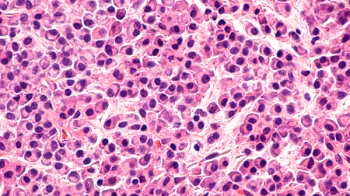
Zanubrutinib expressed better cardiac safety measures, higher progression-free survival, and lower discontinuation rates in the ALPINE trial compared with compared ibrutinib.

Dapagliflozin is the first SGLT2 inhibitor approved by the FDA for treatment of patients with heart failure (NYHA class II-IV) with reduced ejection fraction.

Patients administered 75 mg or higher of olpasiran every 12 weeks had a 95% or greater reduction in Lp(a) compared to placebo at week 36.

Changes in DNA methylation may lead to accelerated aging in patients with cancer and HIV.
Evolocumab found to reduce reduced adverse cardiovascular events in combination with statin therapy compared to placebo plus statin therapy.