

Alex Mills, PharmD, BCACP, AAHIVP, discussed his presentation at the ASHP 2023 Summer Meeting.
Alex Mills, PharmD, BCACP, AAHIVP, discussed his presentation at the ASHP 2023 Summer Meeting.

Denise Scarpelli, PharmD, MBA, discussed her presentation at the ASHP 2023 Summer Meeting.

Golidocitinib (DZD4205) is the first Janus kinase 1 inhibitor to be used for this aggressive and rare form of non-Hodgkin lymphoma.
The meeting aims to bring together pharmacists to discuss solutions for responding to the rapidly evolving evidence and needs for effective implementation.

The combination also reduced the risk of developing distant metastasis or death by 65% in patients with high-risk stage 3/4 melanoma.

Trial results support 5.4 mg/kg of trastuzumab deruxtecan as the optimal dose in individuals with HER2+ metastatic colorectal cancer.

Until this study, adjuvant immunotherapy was standard of care for stage 3B melanoma but not stage 2, which has relatively similar survival rates and risk of recurrence.
Asking patients to “give us a month of [their] life” for autologous chimeric antigen receptor therapy may reduce relapse or recurrence for 4 years or more, according to expert.

Findings highlight the potential efficacy of combining 2 novel bispecific therapies, teclistamab-cqyv and talquetamab, which target distinct antigens on myeloma cells.
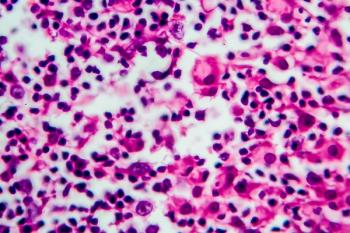
The phase 3 S1826 trial is the largest Hodgkin lymphoma study in NCTN history.

In data presented at the 2023 American Society of Clinical Oncology (ASCO) Annual Meeting, amivantamab-vmjw plus lazertinib demonstrated promise as a first-line treatment for patients with advanced EGFR-mutated non-small cell lung cancer.

Nivolumab plus ipilimumab combination improved overall survival, with 21% of individuals with metastatic non–small cell lung cancer treated with the combination and 2 cycles of chemotherapy alive compared to 16% with chemotherapy alone.
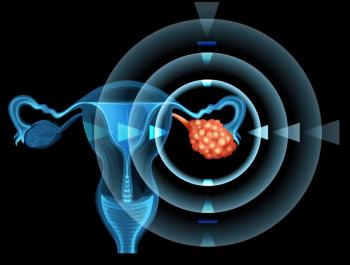
Positive findings in patients with advanced high-grade epithelial ovarian cancer were presented during an oral presentation at the 2023 American Society of Clinical Oncology Annual Meeting.
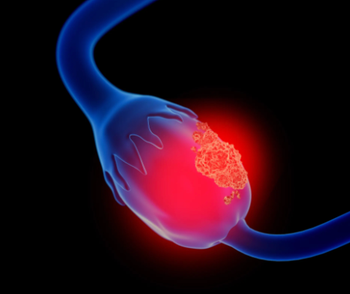
Expert suggests that mirvetuximab soravtansine-gynx, which received accelerated approval in the platinum-resistant ovarian cancer setting in 2022, is the most promising agent in more than a decade that targets folate receptor alpha.

Current standard of care gives 2 poor options to patients, neither of which cure grade 2 gliomas.

When physicians followed up, rates of screening improved for breast and cervical cancer by 50% and 250%, respectively, among eligible cancer survivors.

Updated overall survival and safety profile data from the global phase 3 ADAURA trial provide practice-changing findings with adjuvant osimertinib (Tagrisso; AstraZeneca) in patients with resected EGFR-mutated stage IB–IIIA NSCLC.

Expert said these striking results, coupled with benefits across all subgroups and potential overall survival, suggests efficacy for adults with early-stage non-small cell lung cancer.

Expert discusses the long wait for an effective therapeutic option for persistent, recurrent, or metastatic cervical cancer and the potential widespread benefits of antibody drug conjugates like pembrolizumab.

Biliary tract cancers have become the model for precision oncology because of its complex molecular landscape.

FR alpha expression is limited on normal cells, but upregulated on cancers such as ovarian, endometrial, and triple-negative breast cancers.

Identifying alterations in tumor genes has enabled medical oncologists to guide patients towards more specific therapies.
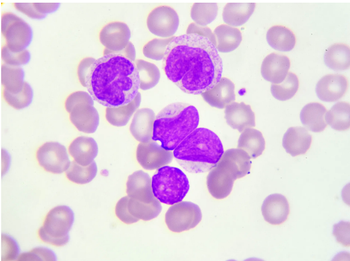
Expert said that manufacturing the T cells with a tyrosine kinase inhibitor may allow more patients to get allogeneic stem cell transplant, the current best means of long-term cure.

Fecal microbiota transplant from responders to non-responders was able to rescue immune checkpoint inhibition use in patients with melanoma, with 40% of patients showing clinical benefit.

High tumor fraction after induction chemotherapy identifies a population with an unmet need who has low chances to benefit from immune checkpoint blockades.
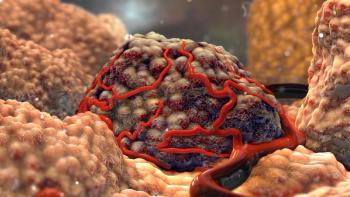
Findings presented at the American Society of Clinical Oncology (ASCO) 2023 meeting show the long-term efficacy and safety profile of larotrectinib (Vitrakvi; Bayer) in solid tumors with NTRK gene fusion.
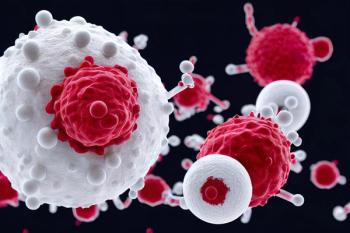
Obe-cel is an investigational CD19 CAR T-cell therapy currently in clinical trials for relapsed/refractory B-cell acute lymphoblastic leukemia and B-cell non-Hodgkin lymphoma.

Ribociclib (Kisqali) demonstrated a 26% risk reduction in distant disease-free survival and a 28% risk reduction in recurrence-free survival in patients with HR+/HER2- early breast cancer.

The 2023 ASCO Annual Meeting is being held in Chicago, Illinois from June 2 to 6.

In the initial cohort, 63% of patients with advanced melanoma achieved an objective response rate, including 6 who had a complete response and 19 who had a partial response to the combination of fianlimab and cemiplimab.