

ASCP 2022 session presenters review the evidence that tipped the scales against the use of aspirin for primary prevention in patients aged 60 years or older.
ASCP 2022 session presenters review the evidence that tipped the scales against the use of aspirin for primary prevention in patients aged 60 years or older.

ASCP 2022 session presenters discuss medications that can cause QTc prolongation, with a particular emphasis on a review of the literature with regards to QTc prolongation and antipsychotics.

ASCP 2022 session presenters discuss strategies and tools that can help busy pharmacists stay up to date on current medical literature, guidelines, and media.

An ASCP 2022 session presenter explains some recent updates on vaccination guidance for the older adult population.

Presenters at the AMCP Nexus conference explore outcomes data and whether these medications should be substituted for reference products more frequently.

A presentation at the AMCP Nexus conference focuses on the health care disparities and pharmacotherapy options for gender affirmation.

Presentation at the AMCP Nexus conference focuses on midterm election outlook and a plug for the Pre-approval Information Exchange Act.

Keynote speaker at the AMCP Nexus conference discusses recent FDA approvals and those scheduled over the next year.

Panelists at the AMCP Nexus conference share tips on new opportunities for students and career-changers looking to forge a new path.

Panelists at the AMCP Nexus conference discuss the burden of undertreated and untreated chronic kidney disease.

Experts discuss the clinical and economic impact of misdiagnosing bipolar I disorder as major depressive disorder.

A researcher suggests that understanding specific cell function in the tumor microenvironment can help create effective and individualized immunotherapy cancer treatments.

The Academy of Managed Care Pharmacy kicks off AMCP Nexus 2022 with a wide variety of educational sessions and policy discussions.

Jeanine Singer, senior vice president of Field Sales and Operations at McKesson, discusses being appointed to the NCPA Innovation Center Board of Directors.
Yvonne Chen, PhD, discusses some of the strategies that researchers are using to improve T-cell effectiveness and overcome immunosuppression in CAR T-cell therapy.

Lisa Schwartz, PharmD, RPh, senior director of Professional Affairs at NCPA, discusses the Drug Supply Chain Security Act and why it was updated for the distribution of naloxone.
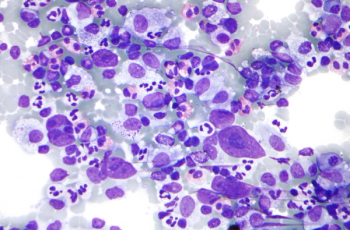
Currently available agents may reduce the need for stem cell transplantation in patients with acute lymphocytic leukemia.
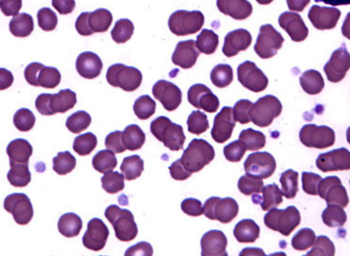
Relapses remain a challenge in treating patients with leukemia.

As pharmacy moves in the direction of patient-centered care, immunization plays a key role in this shift.

Kurt Proctor, PhD, RPh, senior vice president of strategic initiatives at NCPA, discussed the importance of continue education for pharmacists.

With a trained representative focused on building relationships with prescribers in the community, pharmacies have the opportunity to significantly expand how they do business.

Through gamification and food-focused activities, pharmacists can incentivize patient engagement in these services, even if offered outside the pharmacy.

Carlie Traylor, PharmD, director of Strategic Initiatives and Student Affairs at NCPA discussed the growing roles of pharmacists and pharmacy technicians and how COVID-19 has changed the landscape of services offered in community pharmacies.

Kyle McCormick, PharmD, owner of Blueberry Pharmacy, discusses the differences between a traditional pharmacy model and a cost-plus pharmacy model.

An integrative efficacy score would incorporate the depth, duration, and prevalence of tumor response.

Tripp Logan, PharmD, vice president at SEMO Rx Pharmacies and Logan & Seiler Inc discusses how pharmacy staff and community health care workers can work together to address social determinants of health.

Bri Morris, PharmD, senior director of Education and the Long-Term Care Division at the National Community Pharmacists Association, discusses the importance of teamwork in the pharmacy.

Motivational interviewing is an evidence-based method of communicating with patients who are ambivalent or resistant to change for the sake of their health.

The value proposition for point-of-care testing in the pharmacy is extensive, as pharmacies can provide a convenient, accessible, and cost-saving alternative for patients.

Mosunetuzumab showed promising results in complete response rate in patients with follicular lymphoma.