

Study shows 18.4% of patients with relapsed or refractory chronic lymphocytic leukemia treated with lisocabtagene maraleucel achieved a complete response (CR), with median duration of CR not reached at median follow-up of 21.1 months.
Study shows 18.4% of patients with relapsed or refractory chronic lymphocytic leukemia treated with lisocabtagene maraleucel achieved a complete response (CR), with median duration of CR not reached at median follow-up of 21.1 months.

Program Chair Ryan Haumschild, PharmD, MS, MBA, discussed what attendees can look forward to at the inaugural Oncology Pharmacists Connect meeting.

Research has shown these programs can increase the number of patients who can access targeted treatments.

Fran Gregory, PharmD, MBA, vice president of Emerging Therapies at Cardinal Health, discussed the role biosimilars are playing in the pharmaceutical market as well as in patient access.
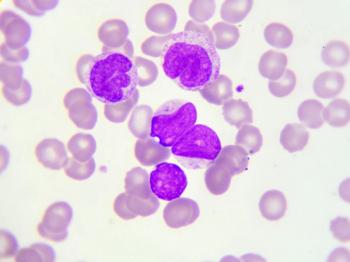
Lili Wang, MD, PhD, discusses her research investigating how METTL3 regulates RNA splicing dysregulation and contributes to CLL growth.

With a growing expectation for individualized and personalized care, medically integrated pharmacies have a great opportunity to support patients and the care team.

Josh Marsh, vice president and general manager of Sonexus Access and Patient Support at Cardinal Health, discussed how patient assistance programs are leveraging technology.

Importantly, Sullivan said data show that adverse events in the home infusion environment are no higher than in any other setting.

Approximately 43 total specialty drugs come to the market each year, on average.

Kimlin Tam Ashing, PhD, discusses her research assessing effective interventions in ethnic minority communities to increase colorectal cancer screenings.

Gregory also discussed the differences between specialty pharmacy distribution and physician’s office distribution, and the benefits of each for patients.

In addition to streamlining and strengthening patient care, Dave said working in a medically integrated pharmacy can be incredibly rewarding for pharmacists.

In addition to 2 FDA-approved options, several clinical trials are investigating other potential treatments for immunoglobulin A nephropathy.

In addition to offering convenience and ease of access, Sullivan said allowing patients to receive care at home empowers them and improves quality of life.

Biosimilars are also expanding rapidly, offering new opportunities for payers, patients, and providers.

Panelists at AXS23 conference agree that the patient’s voice is the most critical, whether it is related to drug manufacturing, delivery, or marketing.

Pharmacists will play a growing role in the use of biosimilars and guiding patients through the switching process.

Although these programs are not the entire solution to rising pharmacy costs, Marsh said they are an important part of solving the problem.

The COVID-19 pandemic revealed some of the major gaps in trust in the United States, but Johnson said pharmacists are key to improving it.

The law directs federal spending toward funding the internal revenue service, improving taxpayer compliance, lowering health care needs, and reducing carbon emissions.

Naveen Mansukhani, BPharm, discussed skyrocketing prices for specialty drugs and what is driving those increases.

Fran Gregory, PharmD, MBA, vice president of Emerging Therapies at Cardinal Health, discussed the biosimilars landscape and where biosimilars fall in the process of pharmacy and medical benefit adoption.

Balancing clinicians’ priorities with the needs of patients and their families is crucial to ensure access and adherence to medications.

Pharmacists play key roles in navigating prior authorizations and other limits on utilization, as well as educating and listening to patients and caregivers.
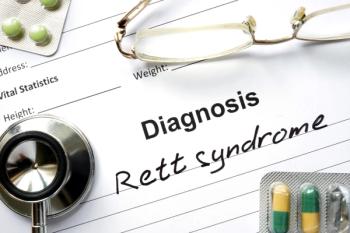
Session at the 2023 Asembia Summit notes that pharmacists play a particularly important role in the large multidisciplinary care team needed for Rett syndrome management.
Cate Lockhart, PharmD, PhD, executive director of the Biologics and Biosimilars Collective Intelligence Consortium, discussed the growing biosimilars landscape .

Even before the Dobbs ruling overturned country-wide reproductive rights, the oncology field was already facing a dearth of maternal care access challenges.
Annual Asembia summit features insights from key opinion leaders, networking events, and continuing education sessions for pharmacists, pharmacy staff and stakeholders.

A severe reduction in food intake lasting just 2 weeks caused damage to the heart and kidneys that appeared to be irreversible, even after the body weight was restored.

Poor sleep efficiency may contribute to vascular dysfunction with increasing exposure to adverse childhood experiences.