

Optimizing outcomes for patients with chronic myeloid leukemia (CML) requires personalized treatment, adaptive dosing, and precise genetic insights.
Optimizing outcomes for patients with chronic myeloid leukemia (CML) requires personalized treatment, adaptive dosing, and precise genetic insights.

Stefan Barta, MD, MS, MRCPCUK, discusses the potential role of biomarkers in predicting treatment outcomes, the emerging use of CAR T-cell therapy, and the benefits and challenges of combination therapies in managing T-cell lymphoma.

Sonali Smith, MD, discusses T-cell–directed therapies for indolent B-cell lymphoma, focusing on their efficacy, FDA-approved treatments, and treatment challenges, such as managing cytokine release syndrome.

Rather than “trial-and-erroring” transplants for patients, experts should instead select transplants that are precise, personalized, and predictable.

Clinical improvements for patients with diabetes seen in a collaboration between the University of North Carolina and Blue Cross and Blue Shield of North Carolina.

In an interview with Pharmacy Times, Jasmine Perry describes her idea of an effective health care delivery model and why research can have a huge impact at the policy level.

Drawing on years of experience, Rina Shah explains how sustainable care models are essential for a thriving pharmaceutical industry.

In an interview with Pharmacy Times, Jon Easter discusses the need for pharmacy to align as a profession to achieve policy and research goals.
President of NACDS, Steve Anderson, discusses how the events at Total Store Expo reflect on the association's goals of innovation and a focus on public policy.

Sara Roszak recounts the Annual NACDS Foundation Dinner and their role in implementing research at the clinical level.

Jasmine Perry discusses the More Than a Script program in an interview with Pharmacy Times.

In a session at NACDS Total Store Expo, experts spoke to the success of value-based care models in the pharmaceutical industry.
Steve Anderson, president and CEO of the National Association of Chain Drug Stores (NACDS), discusses memorable moments from this year's NACDS Total Store Expo.

Sara Roszak discusses her role as president of the NACDS Foundation.

Scott Biggs and Doug Long explain current trends in the pharmaceutical industry and the importance of ensuring pharmacists are informed.
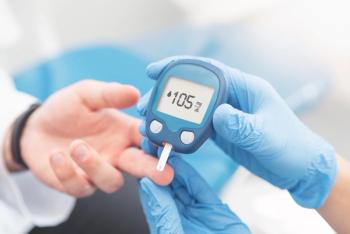
Jon Easter talks about community pharmacy's role in propelling diabetes innovation and optimizing patient care.

Rina Shah discusses the importance of community pharmacy and how pharmacists can optimize care for patients.

New payment frameworks are emerging, but pharmacists need to be central to the ongoing food as medicine movement.

Roszak highlighted pharmacy data interoperability and food is medicine programs as 2 examples of innovative projects at the National Association of Chain Drug Stores.

In her first Editor’s Note as editor in chief of PPFO, Zahra Mahmoudjafari shares reflections on a summer filled with conferences.


Non-steroidal mineralocorticoid receptor antagonist, finerenone, demonstrated improved efficacy compared with existing steroidal treatment for patients.

Significant commonalities between type 2 diabetes and neurodegenerative disorders suggest that treatments effective for one condition may benefit the other.

Improvements were observed in both the intervention and control group, with those who had self-reported learning difficulties showing the least improvement.

Small adjustments in human pluripotent stem cell cultures and the molecule concentration patterns in the initial 5 days of differentiation are essential to “rescue” the lines.

In addition to a rapid deterioration, psychosis in Alzheimer disease can also lead to poorer quality of life, damaged patient-caregiver relationships, and increased isolation.

Edward B. Lee, MD, PhD, also describes how understanding Alzheimer disease requires the integration of multiple fields including genetics, pathology, epidemiology, pharmacology, and physiology.

Study results demonstrated that lecanemab provided sustained benefits over 36 months, such as improved biomarker profiles and slowed cognitive decline compared with placebo.

Tara Spires-Jones, DPhil, FMedSci, discusses how oligomeric tau clumps inside brain synapses, pointing to indirect evidence that it may be progressing through the brain by jumping between connections.
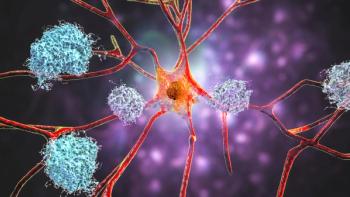
The co-founder, chief science officer, and chairman at Longeveron discusses the findings from the phase 2a trial CLEARMIND, as well as next steps to developing the therapy Lomecel-B.