

The updated indication now includes pediatric patients aged 5 through 11 years.
The updated indication now includes pediatric patients aged 5 through 11 years.

Pharmacies could still experience localized availability issues for semaglutide despite its removal from the drug shortage list.

The newly-approved intrauterine device (IUD) prevents pregnancy in people of reproductive potential for up to 3 years.

Pembrolizumab is a humanized monoclonal antibody that targets PD-1.


The label changes to buprenorphine extended-release injections can increase convenience and adherence for patients with moderate to severe opioid use disorder.

The designation is supported by pooled data from 4 clinical trials.

The test results are available in as little as 20 minutes.

Currently, the agent is undergoing evaluation in a phase 2 clinical trial to determine its safety and efficacy.

SkinTE could aid Wagner grade 1 diabetic foot ulcers by regenerating and activating the tissues surrounding the wound to heal it completely.

This marks the first FDA-approved treatment for this rare lipid storage disease.

67Cu-SAR-bisPSMA is indicated for adult patients with prostate-specific membrane antigen (PSMA)-positive metastatic castration-resistant prostate cancer (mCRPC).
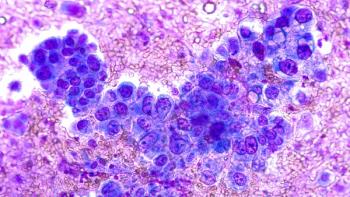
Priority review status will allow for expedited development of zongertinib, putting it on the path toward approval as the first in a new class of drugs for mutated NSCLC.
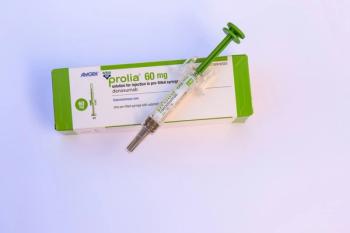
The approval in multiple indications is designed to improve access to effective, proven treatments for skeletal fractures, which can greatly reduce patient quality of life.
Invasive meningococcal disease is a severe bacterial infection caused by the bacterium Neisseria meningitidis, often leading to meningitis or sepsis.

Amlenetug could provide a treatment option for patients with multiple system atrophy, a progressive and rare condition that causes damage to the brain’s nerve cells.

Insulin-aspart-szjj (Merilog) is the first rapid-acting insulin biosimilar product approved by the FDA.
The indication is for symptomatic tenosynovial giant cell tumor (TGCT) for which surgical resection will potentially cause worsening functional limitation or severe morbidity.

PP-01 could become a first-in-class treatment for patients with cannabis use disorder.

Currently, the Cadherin-6 targeting antibody-drug conjugate is undergoing evaluation in a phase 1a/1b clinical trial.
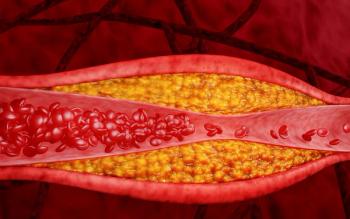
The agency will now review the novel PCSK9 inhibitor for possible approval in patients with or at high risk of atherosclerotic cardiovascular disease.

Building on a previously granted orphan drug designation, the latest FDA action for amezalpat puts the drug in a position for regulatory approval.

Avacincaptad pegol intravitreal solution is a prescription eye injection used to treat geographic atrophy.

Risdiplam is the only approved non-invasive disease-modifying SMA treatment.

The approval follows the ECHELON-3 study, which enrolled adults with relapsed or refractory large B-cell lymphoma.

The approval is based on positive clinical trial results that indicated deep and durable reductions in plexiform neurofibroma.

Rezpegaldesleukin is designed to balance the body’s immune system response through activation of regulatory T-cells.

If approved, brensocatib will be the first and only approved treatment for bronchiectasis and the first within a new class of medicines, called dipeptidyl peptidase 1 inhibitors.

BR55, an injection of perfluorobutane/nitrogen lipopeptide-coated microbubbles, could aid in the detection of angiogenesis and allow for earlier diagnosis in patients with Crohn disease.

The indication is for patients with endometrial cancer who may benefit from treatment with ACR-368 (Acrivon Therapeutics).