

Compared with chemotherapy, Dato-DXd demonstrates favorable median progression-free survival and overall survival in a phase 3 clinical trial.
Compared with chemotherapy, Dato-DXd demonstrates favorable median progression-free survival and overall survival in a phase 3 clinical trial.

The FDA proposes to cap the nicotine level at 0.7 mg per gram of tobacco in cigarettes and certain other combusted tobacco products.

If finalized, the requirement would include readily available nutrition information, including saturated fat, sodium, and added sugar content.

Data from the CodeBreaK 300 trial supported the FDA's approval.

Acalabrutinib with bendamustine and rituximab shows efficacy in patients with untreated mantel cell lymphoma by increasing progression-free survival in the ECHO trial.

The current approved dose of axatilimab-csfr is 0.3 mg/kg up to a maximum dose of 35 mg and will be administered as an intravenous infusion over 30 minutes every 2 weeks.

This is mirikizumab’s second FDA-approved indication in inflammatory bowel disease.

The test meets a critical unmet need for patients with Alzheimer disease who have not yet been undiagnosed.

Studies shows that Red Dye No. 3 was associated with tumor growth in male rats.

According to the investigators, BBO-8520 represents a first-in-class approach to treating patients with previously treated KRASG12C-mutated metastatic non-small cell lung cancer (NSCLC).
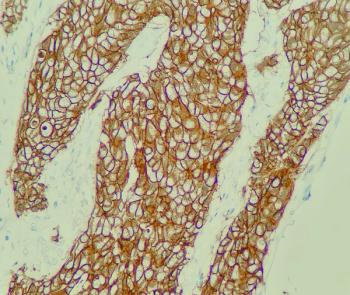
A new indication for the antibody-drug conjugate expands the future clinical potential of the treatment in patients with the rare breast cancer.

Datopotamab deruxtecan was also granted breakthrough therapy designation in December 2024.

If approved, nipocalimab can treat antibody positive individuals with generalized myasthenia gravis.

The designation was supported by data from the phase 2, open-label, randomized, multi-center ARTEMIS-002 clinical trial, which assessed the safety and efficacy of GSK’227.
Invikafusp alfa (STAR0602; Marengo Therapeutics Inc) is being investigated as a treatment for advanced colorectal cancer with high tumor mutational burden.

The designation follows positive phase 2a trial results (NCT05104853) presented at the 2024 AASLD The Liver Meeting.

ALG-801 could present new opportunities to improve treatment and management of patients with pulmonary arterial hypertension, a life-threatening condition.

In a phase 2 trial (NCT05400226), abenacianine helps surgeons visualize tumors in lung during surgery and is safe and well-tolerated in patients.

These new regulatory developments put CUTX-101 on track to become the first FDA-approved treatment for patients with Menkes disease.

Duchenne muscular dystrophy is an incurable neuromuscular disorder that can lead to cardiomyopathy, resulting in heart failure.

The new designation for the selective PPAR⍺ antagonist follows positive phase 1b/2 clinical trial results.
Regulatory action could help patients with Hunter syndrome who have cognitive and behavioral complications and often do not have an effective treatment crossing the blood-brain barrier.

As an investigational monoclonal antibody, posdinemab targets the mid-domain of AD-specific phosphorylated tau.
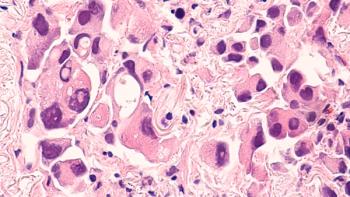
Sunvozertinib was originally approved in China, making it the world’s first and only oral treatment for these patients.

The tablets are indicated for treatment of adults with chronic idiopathic constipation, with further research needed to assess efficacy and safety in children.

If approved, the combination of avutometinib with defactinib could be the first FDA-approved treatment option for low-grade serous ovarian cancer.
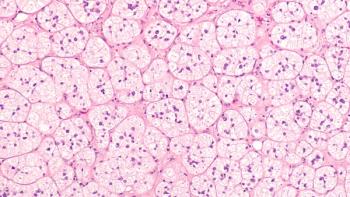
Backed by positive results in multiple clinical trials, a new drug application (NDA) has been submitted for relacorilant for consideration by the FDA.

The regulatory decision marks a significant step forward in the treatment of non-tuberculous mycobacteria infections.

Tislelizumab is approved in combination with platinum and fluoropyrimidine-based chemotherapy as first-line treatment of unresectable or metastatic HER2-negative tumors.
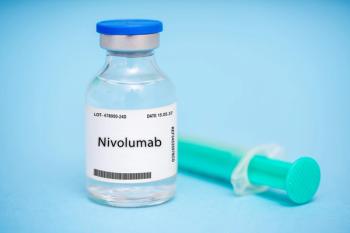
The approval offers patients with solid tumors an alternative to intravenous PD-1 inhibitor administration.