

Some outsourcers and pharmacies have capitalized on the shortages, producing compounded versions.
Some outsourcers and pharmacies have capitalized on the shortages, producing compounded versions.


Despite the explosion of public interest in these drugs, ongoing shortages and debates over compounding made access difficult.

Currently available for prescription in the United States, vibegron is now the first and only β3 agonist FDA approved to treat patients living with OAB and being treated for BPH.
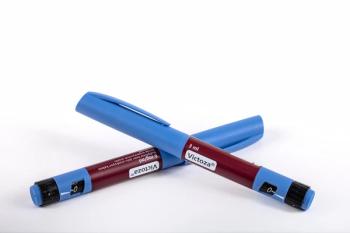
The approval of the generic to liraglutide injection, currently in shortage, could help increase patient access to the type 2 diabetes treatment.

Concizumab-mtci is a subcutaneous, monoclonal antibody designed to achieve hemostasis in all hemophilia types.

The nasal spray label resembles that of the FDA-approved epinephrine injection, leading to potential dosing errors.

VGT-1849A could reduce JAK2 activity, lessening the disease burden faced by individuals with PV while providing a favorable safety profile.

Clinical trials will seek to evaluate the immunogenicity and safety of the LBT-SA7 vaccine.

The approval comes after clinical trial results in which vanzacaftor/tezacaftor/deutivacaftor (Alyftrek; Vertex Pharmaceuticals) demonstrated superiority compared with elexacaftor/tezacaftor/ivacaftor and ivacaftor (Trikafta; Vertex Pharmaceuticals).
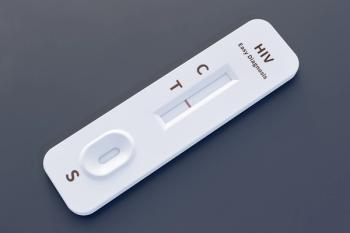
OraQuick was the first at-home HIV test kit to be approved by the FDA in 2012.

The new approval continues to expand the therapeutic potential of GLP-1 medications such as tirzepatide, now being deemed effective in patients with obstructive sleep apnea.

Vanzacaftor/tezacaftor/deutivacaftor (Alyftek) also received approval for the treatment of cystic fibrosis in people 6 years and older who have at least 1 F508del mutation.

Setmelanotide is indicated to reduce excess body weight and maintain weight reduction long-term for patients with syndromic or monogenic obesity due to Bardet-Biedl syndrome.

The decision is based off favorable results from the BREAKWATER trial.

Compounding pharmacies have a 60- to 90-day grace period to complete production as it continues to monitor supply and demand.

The approval follows positive results from the V005 (NCT03005418) clinical trial.

The rare genetic disease is a severe hypertriglyceridemia that can lead to potentially life-threatening acute pancreatitis.

Duloxetine is a commonly prescribed medication used to treat anxiety, depression, and other mental health disorders.

The indication is for patients with locally advanced or metastatic disease who have not previously received treatment with an ALK-inhibitor.

The approval makes remestemcel-L-rknd the first approved mesenchymal stromal cell in the United States.

Lerodalcibep is a third-generation PCSK9 inhibitor that demonstrated success in reducing low density lipoprotein cholesterol (LDL-C).

Clesrovimab would be the first and only single dose immunization indicated for infants regardless of weight, aimed to protect against their first RSV season.

The updated prescribing information recommends laboratory tests prior to prescribing fezolinetant to determine baseline for hepatic function and injury.
Ustekinumab-stba (Steqeyma; Celltrion) is a subcutaneous treatment for adult and pediatric patients with plaque psoriasis arthritis, psoriatic arthritis, Crohn disease, and ulcerative colitis.

If approved, cyclobenzaprine hydrochloride (HCl) will be the first member of a new class of analgesic drugs for fibromyalgia.

The decision is based on positive results from the CAHtalyst trials, which both met their primary and secondary end points.

Abstract data presented in September demonstrate that the drug elicited strong antitumor activity in the second line in both platinum-sensitive and -resistant patients.

Based on positive results from the HERCULES trial, the new designation will allow for more thorough regulatory review and development of the multiple sclerosis treatment.

Nemolizumab exclusively targets IL-31 receptor alpha, inhibiting the signaling of IL-31, which drives disease mechanism in atopic dermatitis.