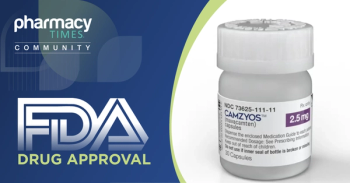
The FDA approved xanomeline and trospium chloride (Cobenfy, previously KarXT; Bristol Myers Squibb) for the treatment of schizophrenia in adults. The medication is the first in a new class, offering a new approach by selectively targeting M1 and M4 receptors in the brain without blocking D2 receptors.1
“Due to its heterogeneous nature, schizophrenia is not a one-size-fits-all condition, and people often find themselves in a cycle of discontinuing and switching therapies,” Rishi Kakar, MD, chief scientific officer and medical director at Segal Trials, said in a news release. “The approval of Cobenfy is a transformative moment in the treatment of schizophrenia because, historically, medicines approved to treat schizophrenia have relied on the same primary pathways in the brain. By leveraging a novel pathway, COBENFY offers a new option to manage this challenging condition.”1
The approval is supported by data from the EMERGENT clinical program, including 3 placebo-controlled efficacy and safety trials and 2 open-label trials that evaluated the long-term safety and tolerability of the oral medication for up to 1 year. The EMERGENT clinical program included EMERGENT-1 (NCT03697252), EMERGENT-2 (NCT04659161), and EMERGENT-3 (NCT04738123).1
EMERGENT-3 was a phase 3, multicenter, randomized clinical trial used to confirm the results reported in EMERGENT-1 and EMERGENT-2. A total of 256 individuals were included with a mean age of 43.1 years, 74.6% were male, and 60.9% were Black or African American. Patients received xanomeline and trospium chloride (maximum dose of xanomeline 125 mg/trospium 30 mg) or the placebo for 5 weeks. The primary end point was change from baseline to week 5 PANSS total score, with secondary outcomes including change from baseline to week 5 PANSS positive subscale score, PANSS negative subscale score, PANSS Marder negative factor score, Clinical Global Impression-Severity score, and proportion of individuals with at least a 30% reduction in PANSS total score.2