

FDA fast-tracks TRE-515 for advanced prostate cancer, combining it with radiation therapy to enhance treatment outcomes and patient care.
FDA fast-tracks TRE-515 for advanced prostate cancer, combining it with radiation therapy to enhance treatment outcomes and patient care.

Previously indicated to reduce the risk of end-stage kidney disease, cardiovascular death, and hospitalization for heart failure (HF) in chronic kidney disease, finerenone is now approved for patients with HF directly, offering a new treatment option.

mRNA-1273, marketed as Spikevax by Moderna, is now fully approved for individuals aged 6 months through 64 years with high-risk features for severe COVID-19.

FDA approves a new dosing schedule for donanemab, enhancing safety and efficacy in treating early symptomatic Alzheimer disease.

The FDA is warning of rare severe itching after stopping long-term use of popular allergy medications cetirizine and levocetirizine, urging patient education.

The new formulation contains little IgA, reducing possible risks associated with infusion in patients with primary immunodeficiency.
Sebetralstat becomes the first FDA-approved oral treatment for hereditary angioedema (HAE), offering rapid relief for patients experiencing acute attacks.
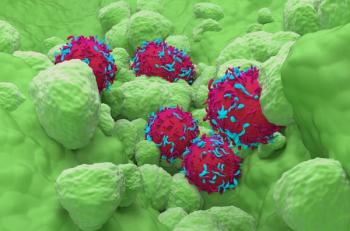
Sunvozertinib becomes the first and only targeted approval treatment for patients with non-small cell lung cancer (NSCLC) harboring epidermal growth factor receptor (EGFR) exon 20 insertion mutations.

The letter cited deficiencies previously identified at a third-party manufacturing vendor unrelated to oxylanthanum carbonate (OLC).
The treatment becomes the first approved BCMAxCD3 bispecific antibody with the potential to achieve biweekly or monthly dosing in patients with relapsed/refractory multiple myeloma.

The injection is indicated for the treatment of sepsis and other serious infections, enhancing treatment efficiency and patient care.

FDA removes REMS for CAR T-cell therapies, enhancing patient access while ensuring safety in cancer treatment.

The FDA approves emapalumab-lzsg as the first treatment for macrophage activation syndrome in Still disease, offering a new treatment approach for patients with the rare condition.

With the Advisory Committee on Immunization Practices recommending that adults receive thimerosal-free influenza vaccines, the preservative that was phased out of most childhood vaccines in 2001 has reentered the public eye.

Explore the latest FDA-approved novel drugs transforming treatment options for various conditions, enhancing patient care and outcomes in community and specialty pharmacy.

Amyvid is used for brain imaging to estimate amyloid plaque density in patients with cognitive impairment undergoing evaluation for Alzheimer disease.

Suzetrigine, a new nonopioid pain reliever, gains FDA approval for treating moderate to severe acute pain in adults, offering a safer alternative to opioids.

Compared with prior intravenous formulations, the autoinjector is a more accessible administration method for children and their caregivers.

Datopotamab deruxtecan gains FDA approval, offering new hope for adults with advanced EGFR-mutated non-small cell lung cancer after prior therapies.

The FDA approves dupilumab as the first targeted treatment for bullous pemphigoid, offering hope for patients with this debilitating skin condition.
Its approval was based on data from a 3-year trial that enrolled patients with alkaptonuria.
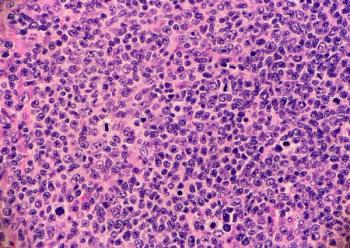
Following robust progression-free survival indications in the phase 3 inMIND trial, the FDA granted approval to tafasitamab-cxix in combination with standard-of-care lenalidomide and rituximab for patients with relapsed or refractory follicular lymphoma.
In the first half of 2025, the FDA approved 7 novel drugs for oncologic conditions, including for non-small cell lung cancer; ovarian cancer; and metastatic, hormone receptor-positive, human epidermal growth factor 2-negative breast cancer.

Lenacapavir becomes the first and only twice-yearly option for HIV prevention.

The FDA approves garadacimab-gxii, a treatment for hereditary angioedema (HAE), offering convenient monthly self-injections for patients 12 years and older.

The subcutaneous infusion is indicated for pediatric patients aged 6 to 17 years who weigh less than 60 kg.

Moderna's mRNA-1345 vaccine gains FDA approval, enhancing protection against RSV for high-risk adults aged 18 to 59 years, following earlier approvals for older populations.
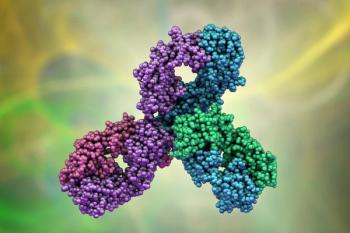
Pembrolizumab gains FDA approval as a groundbreaking neoadjuvant treatment for resectable locally advanced head and neck squamous cell carcinoma, enhancing patient outcomes.

Mitomycin intravesical solution is the first FDA-approved treatment for low-grade intermediate-risk non–muscle-invasive bladder cancer.

The approval of the tablet formulation of zanubrutinib covers all 5 approved indications of the Bruton tyrosine kinase inhibitor.